







Inside Coruna: The High-End iPhone Exploit Bridging State Espionage and Crypto Theft
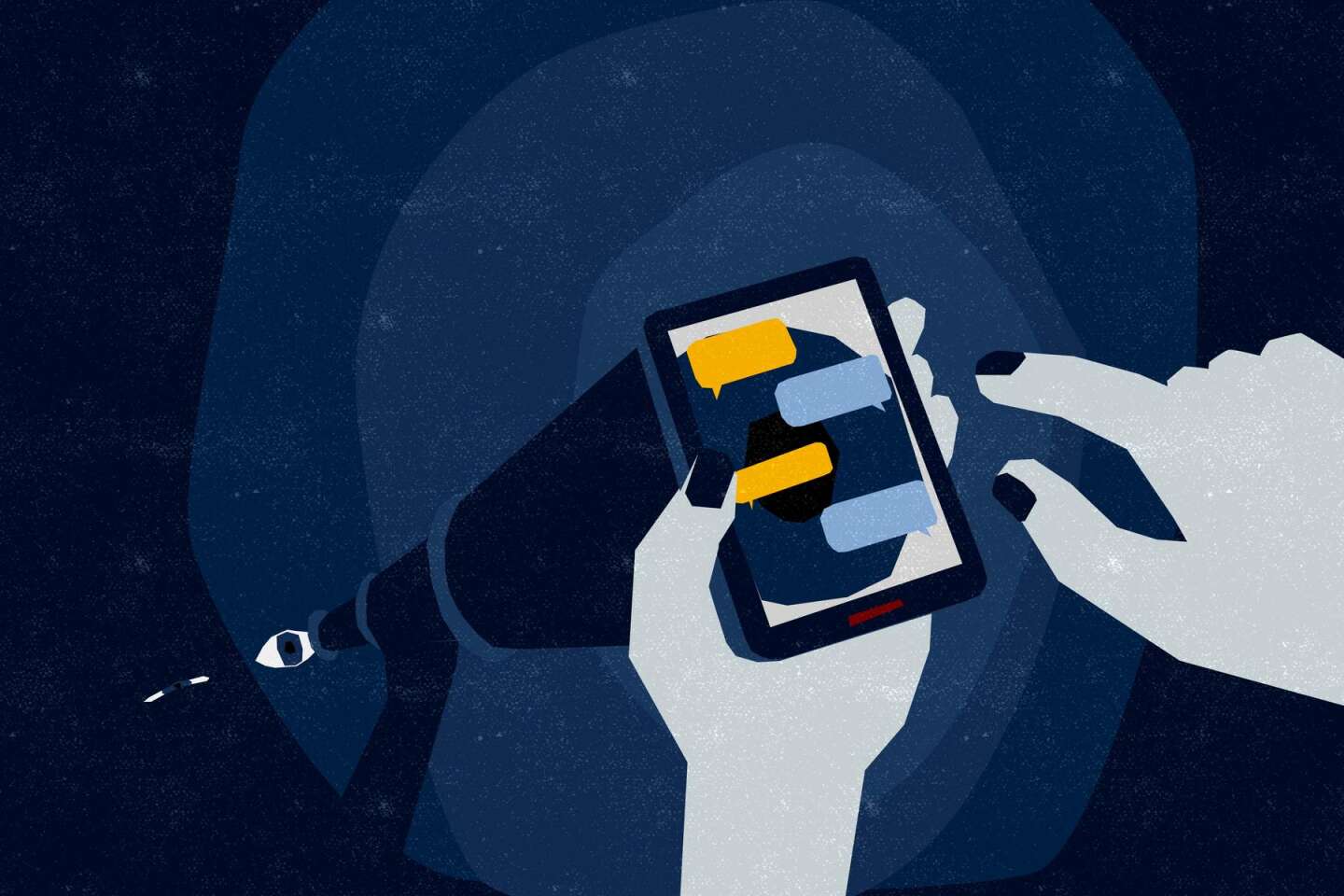
Why should you care about a tool named Coruna?
If you build mobile applications or manage digital assets, the emergence of Coruna marks a shift in the threat model. Traditionally, high-end iOS exploits were the exclusive domain of state-sponsored intelligence agencies. This tool breaks that mold. It is currently being used for two vastly different purposes: political espionage against Ukrainian targets and the systematic theft of private keys from Chinese cryptocurrency holders.
This crossover means the technical gap between a nation-state attack and a commercial cybercrime operation has vanished. The same zero-day vulnerabilities used to track high-value political targets are now being deployed to drain digital wallets. For developers, this confirms that 'security through obscurity' or assuming your app is too small to be a target is no longer a viable strategy.
How does this exploit bypass iOS security?
Coruna is not a simple phishing script. It is a highly engineered piece of malware designed to exploit specific vulnerabilities within the iOS ecosystem. While Apple frequently patches documented bugs, tools like this often rely on 'zero-click' or 'one-click' vectors that require minimal interaction from the user. Once the initial breach occurs, the malware gains elevated privileges to bypass the sandbox environment that usually keeps apps isolated.
- Privilege Escalation: It moves from a standard user process to kernel-level access, allowing it to read encrypted data.
- Persistence: It attempts to remain on the device even after a reboot, which is notoriously difficult on modern iPhones.
- Data Exfiltration: It specifically targets
Keychaindata and clipboard contents, where many users inadvertently store sensitive seed phrases or passwords.
The technical sophistication suggests the code was likely authored by a professional surveillance firm. The fact that it has leaked or been sold to criminal groups indicates a supply chain issue within the private intelligence market. When these tools hit the secondary market, the speed of deployment increases exponentially.
What can builders do to protect their users?
You cannot fix a zero-day in the operating system, but you can limit the damage when a device is compromised. Relying solely on the OS-level encryption is a mistake when tools like Coruna can escalate privileges to the root level. Your application security architecture needs to assume the underlying environment is untrusted.
- Implement Application-Level Encryption: Do not rely on the system
Keychainalone. Use an additional layer of encryption with keys that are not stored permanently in the device's memory. - Detect Jailbreak and Rooting: While sophisticated malware hides its presence, many exploit chains leave traces. Implement integrity checks to see if the system environment has been altered.
- Minimize Data Retention: If your app doesn't need to store a private key or a session token indefinitely, don't. Clear sensitive buffers from memory immediately after use.
- Educate on Lockdown Mode: For users at high risk, encourage the use of Apple's
Lockdown Mode, which disables several complex web features that are frequently used as entry points for these exploits.
Watch for a rise in 'exploit recycling.' As state-sponsored tools continue to leak into the hands of financially motivated hackers, we will see more polished, reliable attacks hitting the general public. Keep your dependencies updated and move toward a zero-trust architecture for your mobile backend services today.

Generateur d'images IA — GPT Image, Grok, Flux