







European Infrastructure Faces Escalating Cyber Threats
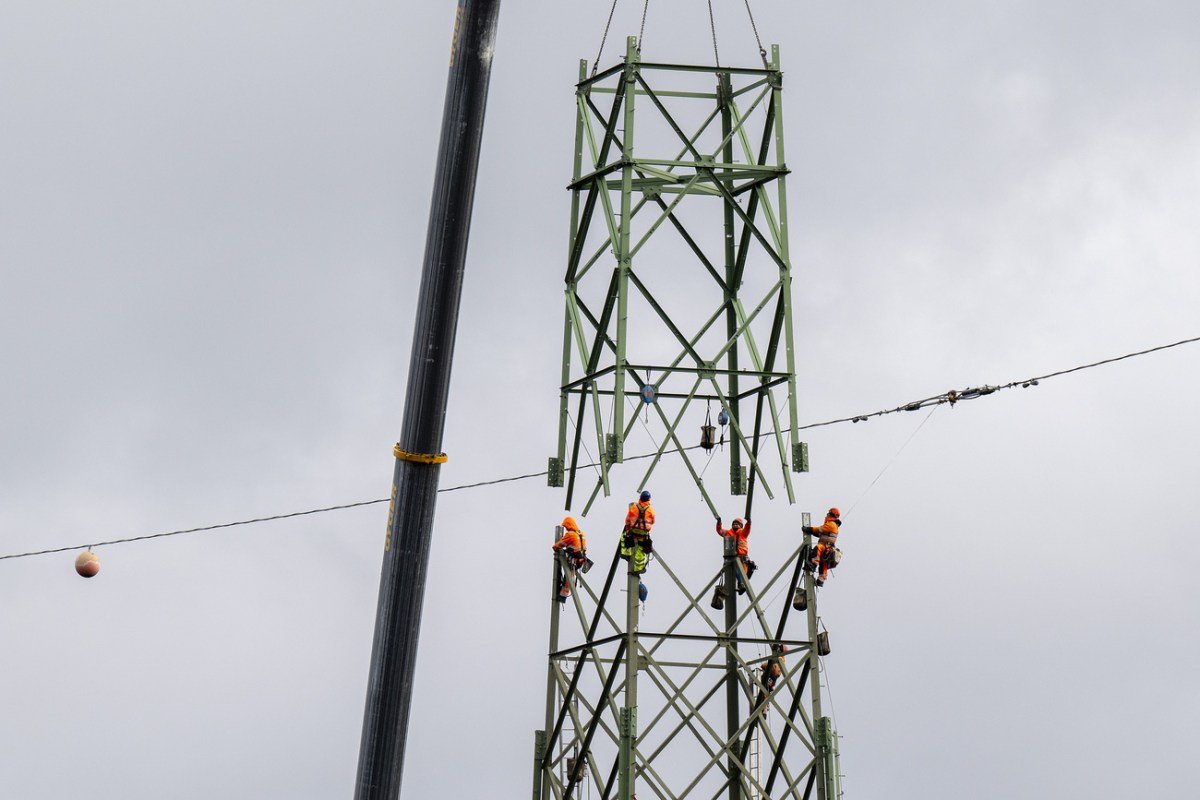
Rising Threats to Critical Networks
European infrastructure is facing a sustained surge in cyberattacks as geopolitical conflicts spill into the digital domain. State-sponsored actors and criminal syndicates are increasingly targeting energy grids, water systems, and telecommunications networks. These vital services now operate under constant surveillance by foreign entities seeking to exploit technical vulnerabilities.
The integration of advanced technology has expanded the attack surface for most utilities. While digital connectivity improves efficiency, it creates new entry points for malicious code. Security officials report that the frequency of reconnaissance missions against critical systems has reached record levels this year.
The Impact of Artificial Intelligence
Artificial intelligence is shifting the balance of power in favor of attackers. Automated tools now allow hackers to identify software flaws at speeds that manual security teams cannot match. This technology enables the creation of highly sophisticated phishing campaigns and adaptive malware that can bypass traditional firewalls.
- AI-generated code allows low-skilled actors to launch complex attacks.
- Automated bots can scan millions of IP addresses for vulnerabilities in seconds.
- Deepfake technology is being used to bypass biometric security protocols.
- Machine learning helps malware hide within legitimate network traffic.
Defensive strategies are struggling to keep pace with these rapid developments. Many legacy systems controlling public infrastructure were not designed to withstand AI-driven intrusions. Replacing this aging hardware requires significant capital investment and years of planning.
Strengthening Regional Resilience
Governments are responding by implementing stricter cybersecurity mandates for private operators. New regulations require immediate reporting of breaches and the adoption of multi-layered defense architectures. Resilience is no longer just about prevention but also about the ability to recover quickly after a successful penetration.
Collaboration between the public and private sectors is becoming the primary line of defense. Sharing real-time threat intelligence allows organizations to patch vulnerabilities before they are exploited across the continent. Security experts emphasize that isolated defense strategies are no longer effective against coordinated international campaigns.
Watch for the implementation of new European Union standards that will force utility providers to undergo mandatory stress tests by the end of next year.
Chat PDF avec l'IA — Posez des questions a vos documents