







Data Breach at ANTS: Protecting User Identity in the Wake of Official Leaks
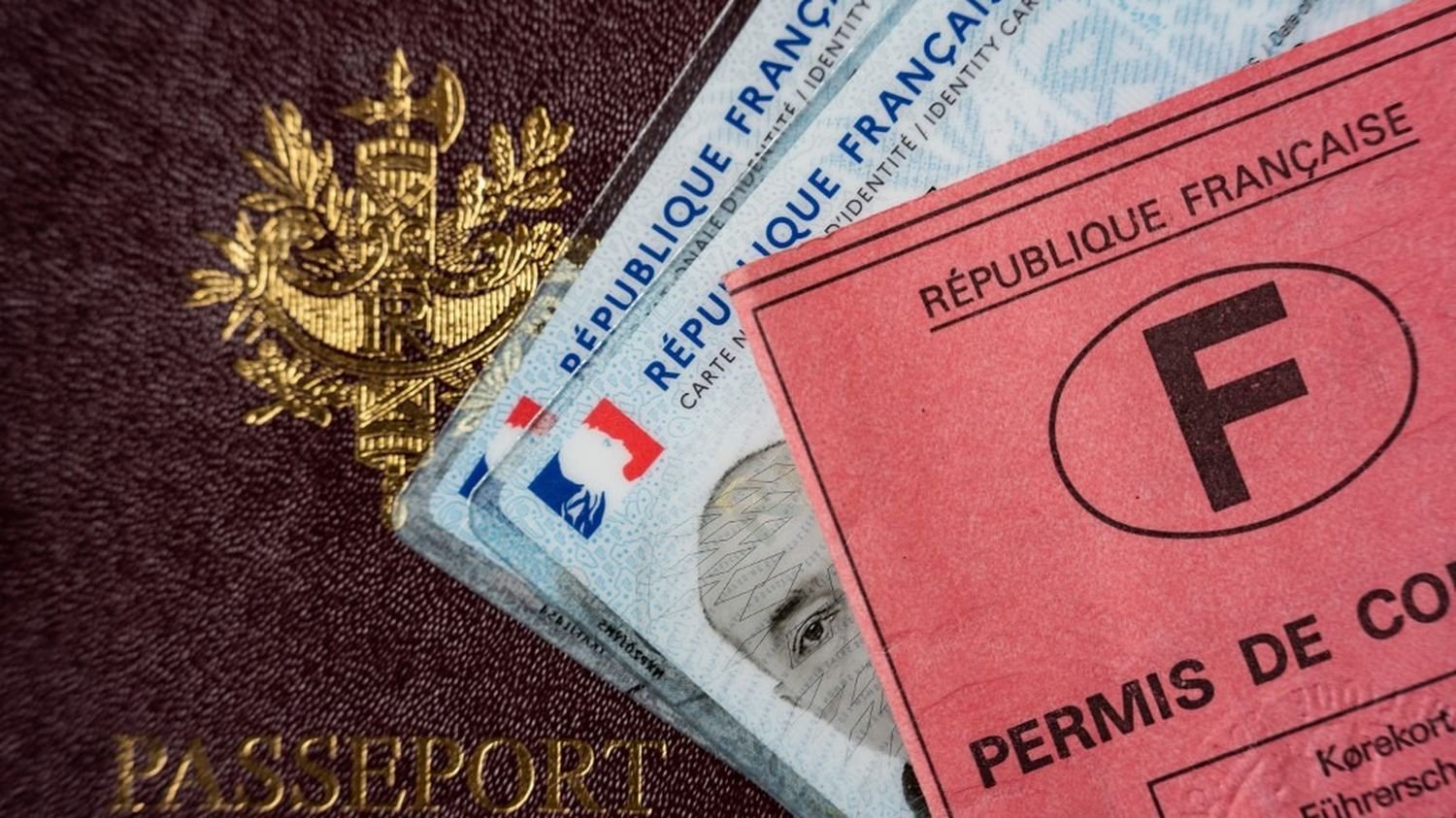
When a state agency responsible for national identity documents suffers a data breach, it is not just a PR problem; it is a fundamental security failure that affects your identity stack. The Agence Nationale des Titres Sécurisés (ANTS), which manages French passports and driver's licenses, recently confirmed a cyberattack that may have compromised personal information. If you build systems that rely on identity verification or simply use these services, the attack surface for social engineering and phishing has just expanded significantly.
How did the ANTS breach happen and what was taken?
The agency detected an unauthorized intrusion into its information systems. While specific technical post-mortems are still pending, the primary concern is the exposure of contact details and identity metadata. This is the type of data that allows attackers to craft highly targeted phishing campaigns that look legitimate because they contain accurate personal details.
- Contact Information: Names, email addresses, and phone numbers are the primary targets for follow-up scams.
- Administrative Data: Information regarding the status of identity document applications may have been accessed.
- System Integrity: The agency has restricted certain access points to contain the leak while forensic teams investigate the entry point.
For developers, this serves as a reminder that even high-security government portals are vulnerable to credential stuffing or unpatched vulnerabilities. If your application uses FranceConnect or similar SSO providers, your users are now at a higher risk of being targeted by attackers posing as official support staff.
What are the immediate risks for digital products?
The danger is not usually a direct hack of your database, but rather the corruption of the trust layer. Attackers use the stolen ANTS data to contact individuals, citing their specific application details to trick them into revealing passwords or 2FA codes. This is known as "authority-based" social engineering.
If your platform handles financial transactions or sensitive data, you should expect a spike in account takeover attempts. Stolen data is often cross-referenced with other leaked databases to build complete profiles of your users. This makes security questions based on personal history (like "What is your mother's maiden name?") completely obsolete.
How can you harden your systems against these secondary attacks?
As a builder, you cannot fix the leak at the source, but you can build defenses that assume the user's basic info is already public. Move away from any verification methods that rely on static personal data. These are some practical steps to implement immediately:
- Enforce WebAuthn or TOTP: Stop relying on SMS for 2FA. Stolen phone numbers from leaks make SIM swapping and phishing much easier.
- Update Support Workflows: Train your support team to never ask for sensitive info over the phone, as users are currently primed to receive "official" calls.
- Rate Limit Identity Lookups: If your app has a feature to find users by email or phone, ensure it is heavily rate-limited to prevent automated scraping.
- Monitor for Anomalous Logins: Use IP reputation and behavioral analysis to flag logins that match the timing of major regional data leaks.
Watch for official communications from the ANTS regarding the specific scope of the compromised accounts. If your user base overlaps with their demographic, sending a proactive security advisory about phishing is a smart move. Focus on teaching users to verify the sender domain and to never click links in unexpected SMS messages regarding identity documents.
Videos UGC avec avatars IA — Avatars realistes pour le marketing