







Brussels Draws a Line: The Real Cost of Sanctioning China’s Cyber Complex
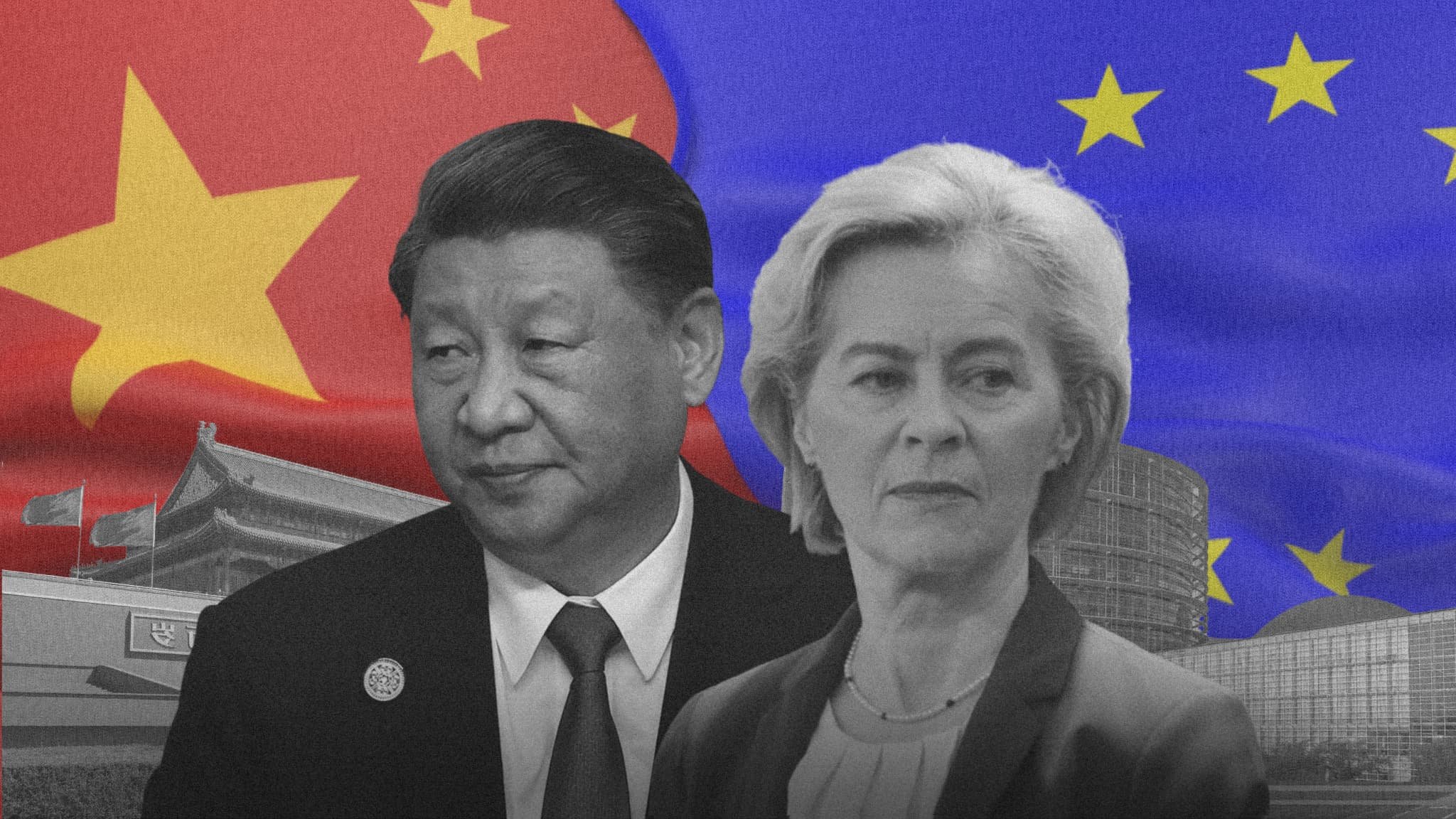
The attribution trap and the sanctions facade
The Council of the European Union recently signaled a hardening of its stance toward state-sponsored espionage by blacklisting entities like Integrity Technology Group and Anxun. On the surface, this is a bold move to defend the digital integrity of member states against persistent threats. However, the history of cyber sanctions suggests that naming and shaming rarely alters the operational behavior of groups funded by national intelligence budgets.
Economic restrictions serve as a diplomatic signal, yet they often fail to address the underlying infrastructure used for these incursions. When a company is sanctioned, its assets in the West are frozen and its personnel are banned from travel. This assumes that a firm like Anxun—allegedly linked to the APT31 collective—relies on transparency or legitimate Western banking for its primary functions. In reality, these organizations operate within a closed ecosystem, shielded by the very state that directs their activities.
The European Union claims these measures will deter future aggression by increasing the cost of operations.
The Council has decided to impose restrictive measures on six individuals and three entities responsible for or involved in various cyber-attacks, including those targeting the Union and its Member States.
The disconnect lies in the definition of cost. For a private corporation, a sanction is a financial disaster; for a state-backed proxy, it is merely a change in the cost of doing business. The individuals named in these documents are unlikely to have vacation homes in the French Riviera or significant holdings in Deutsche Bank. By the time a name hits an official EU journal, the operational cells have often already shuttered their front companies and moved to new aliases.
The supply chain vulnerability no one is talking about
Focusing on specific Chinese firms ignores the structural reality of the global hardware market. European infrastructure remains deeply entangled with components produced in the very regions these sanctions target. While the EU blacklists the developers of malicious software, the physical routers and switches that facilitate these packets are often sourced through a labyrinth of international distributors. This creates a situation where the front door is locked with a new sanction, but the back window remains open through legacy hardware dependencies.
Integrity Technology Group, one of the primary targets of this latest round of measures, has been linked to the 'Qihoo 360' umbrella. This is not a small, rogue startup; it is a pillar of the Chinese security industry. By targeting such entities, Brussels is testing whether it can decouple its sensitive data from Eastern influence without triggering a broader trade retaliation that could cripple European manufacturing. It is a delicate balancing act where the stakes are not just data security, but the stability of the Eurozone's industrial base.
The effectiveness of these sanctions will ultimately be measured by the reaction of the private sector. If European firms continue to prioritize low-cost hardware from unverified sources, no amount of diplomatic finger-pointing will secure the network. The real battle is not happening in the Council chambers, but in the procurement offices of mid-sized European utilities and telecommunications providers.
The shifting geography of digital warfare
Europe’s shift toward an offensive posture is a response to the perceived weakness of its previous 'soft power' approach. For years, the EU relied on dialogues and memorandums of understanding that were largely ignored. Now, by joining the United States in a more aggressive sanctioning regime, Brussels is admitting that the era of borderless cooperation is over. The digital world is being carved into spheres of influence, and these sanctions are the first physical borders being erected on a previously open map.
We must look at who benefits from these blacklists. While the security of the Union is the stated goal, these moves also create a vacuum in the market for European and American cybersecurity firms to fill. The narrative of protection is frequently a precursor to a narrative of sovereignty—a push to build 'European First' technologies. This is a logical step for a continent tired of being a digital colony, but it remains to be seen if the EU can build alternatives as quickly as it can ban competitors.
The true pivot point will be the upcoming renewal of these sanctions. If the EU expands the list to include the financial institutions that facilitate these firms' domestic operations, we will know they are serious about escalation. Until then, these measures remain a high-profile warning in a conflict where the opponent is not playing by the same rules of economic engagement.

Createur de videos IA — Veo 3, Sora, Kling, Runway