







Airbus Grows a Digital Shield: The Quiet Acquisition of Quarkslab
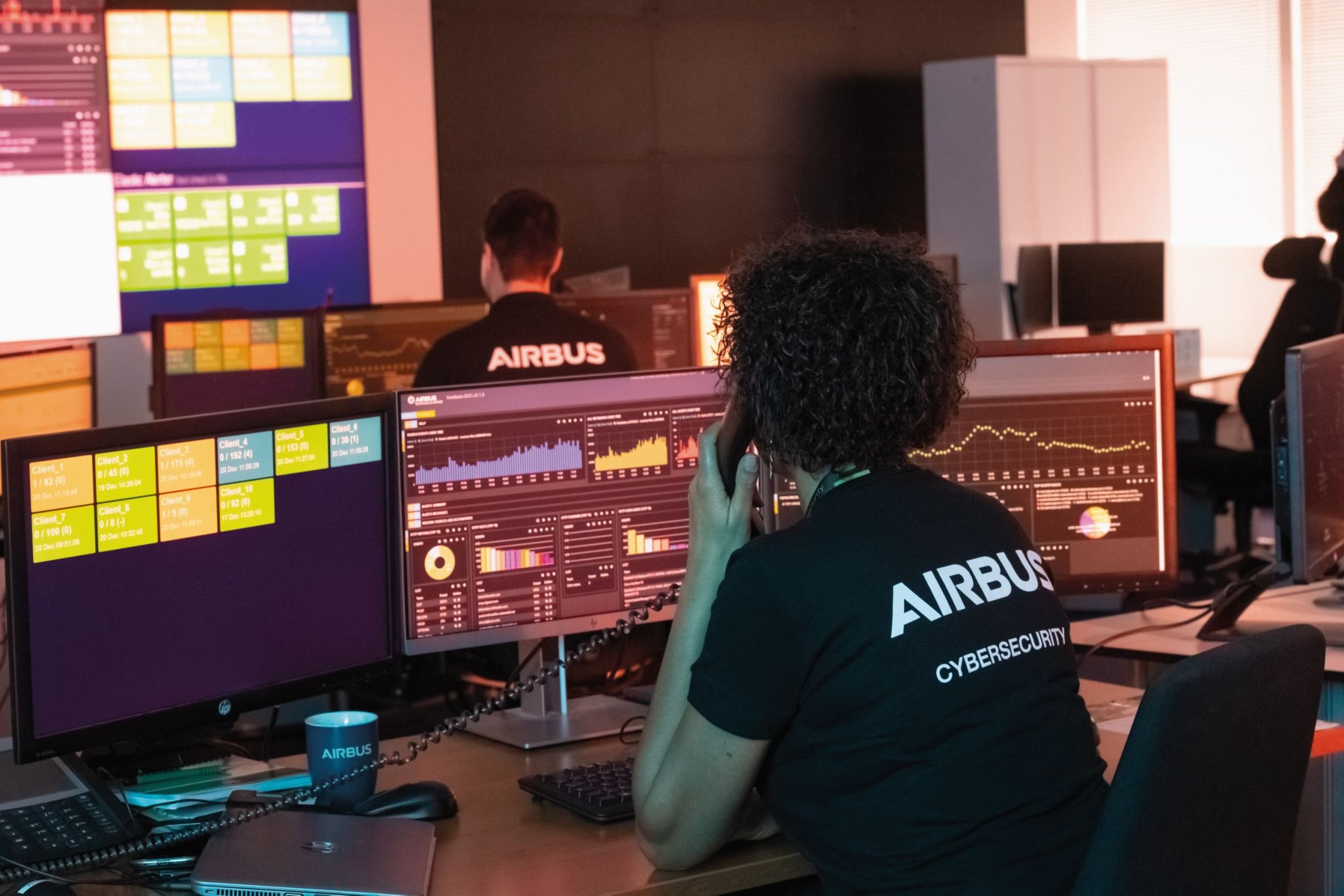
Fred Raynal spent years looking at the world through a different lens than most of his peers in the intelligence community. While many security experts were busy building taller walls, Raynal and his team at Quarkslab focused on the cracks in the foundation—the subtle flaws in binary code and the emerging threats posed by automated machine learning attacks. Last week, that specialized vision found its permanent home within the sprawling complex of Airbus.
The aerospace titan didn't just buy a software company; it acquired a laboratory of digital alchemists. Based in Paris, Quarkslab has earned a quiet reputation for being the team you call when the problem is too complex for standard antivirus suites. They are the specialists who understand how to trick a malicious AI into revealing its hand before it can strike a critical flight system or a secure communication line.
The Architecture of Trust
Airbus is currently navigating a period where the physical and digital are no longer separate entities. A modern jet is essentially a flying data center, processing millions of data points every second. When a company manages hardware that carries hundreds of lives at thirty thousand feet, the software running those systems must be more than just functional. It has to be unassailable.
This acquisition marks the second time in less than thirty days that Airbus has opened its checkbook to bolster its cyber defenses. It suggests a shift in how the company views its own identity. They are no longer just metal and jet fuel engineers. They are becoming stewards of vast, sensitive networks that span the globe, making them a high-value target for state actors and industrial spies alike.
The modern aircraft is no longer just a feat of aerodynamics; it is a complex, sentient network of code that requires a constant pulse of protection.
Quarkslab brings a specific flavor of expertise to the table: deep code analysis and protection against automated threats. Their tools are designed to look at a program and determine not just what it does, but what it might be forced to do under duress. This level of scrutiny is becoming the new standard for industries where failure is not an option.
Securing the Invisible Border
The deal also highlights a growing trend of digital sovereignty within Europe. By keeping Quarkslab’s talent within the continent, Airbus is ensuring that its most sensitive security research remains under local jurisdiction. This is a strategic move at a time when global tech supply chains are increasingly fractured and geopolitical tensions are bleeding into the digital space.
For the founders of Quarkslab, joining a conglomerate like Airbus offers a scale they could never achieve as an independent boutique firm. They now have access to massive datasets and hardware environments that were previously behind locked doors. It is a playground for researchers who want to see their theories applied to the most demanding environments on Earth.
Engineers at the Paris headquarters are already beginning to integrate their anti-AI solutions into the broader Airbus ecosystem. This isn't just about protecting the planes themselves, but also the massive industrial backbone that builds them. From internal logistics to the satellite arrays orbiting the planet, the digital shield is being stretched to cover every corner of the operation.
As these two worlds merge, the challenge will be maintaining the agile, creative spirit of a security startup within the rigid structure of an aerospace giant. If they succeed, the result won't just be better software. It will be a new way of thinking about how we keep the world moving when the threats are invisible and the stakes are impossibly high.

Generateur d'images IA — GPT Image, Grok, Flux