







Aerodynamics of Risk: Why Formula 1 is the Ultimate Social Engineering Lab
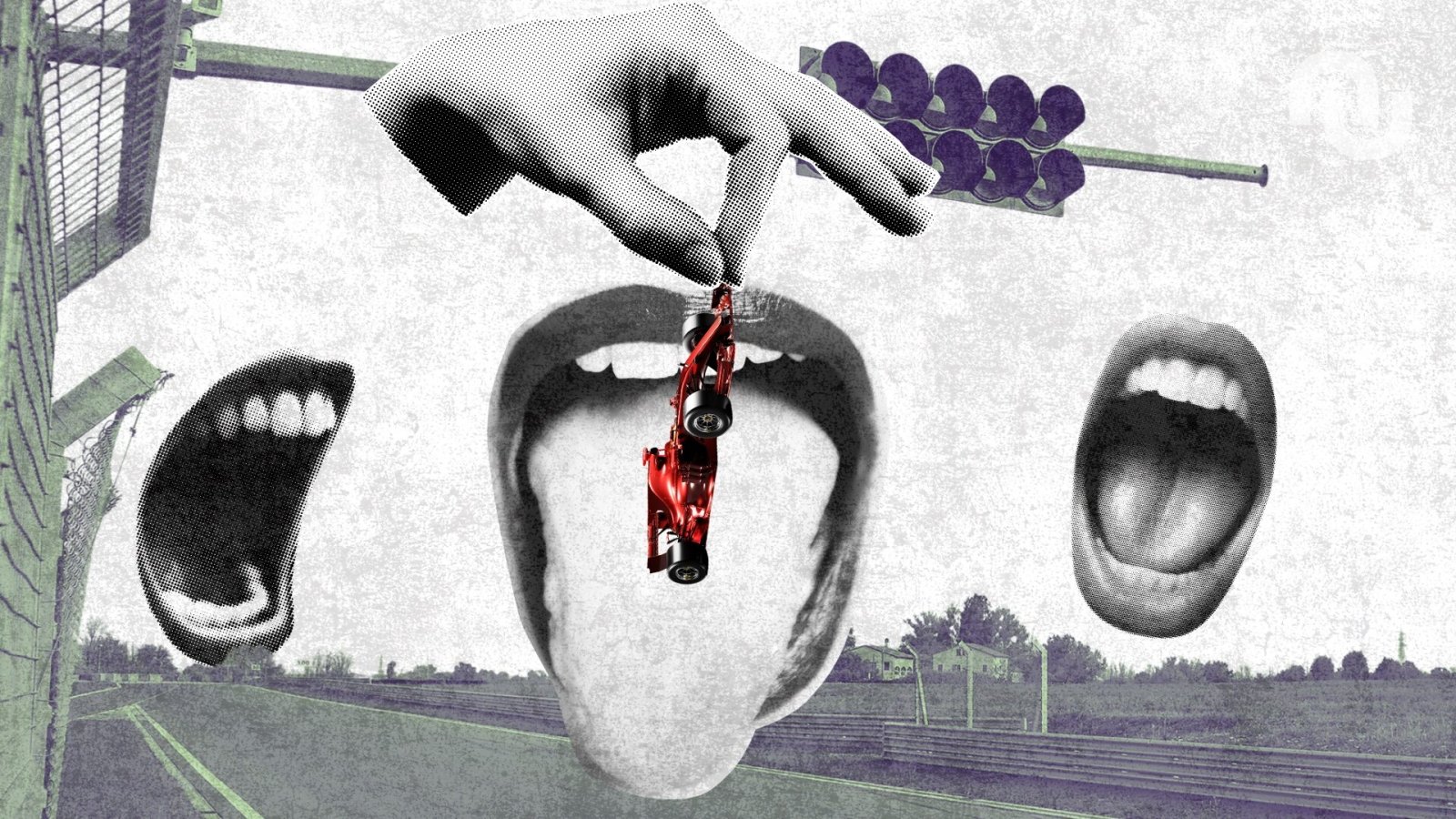
The Slipstream of Digital Vulnerability
In 1950, a Formula 1 driver wore a leather helmet and a polo shirt. Today, a car produces two terabytes of data per race weekend, turning the sport into a high-speed telecommunications exercise. But while engineers obsess over a millisecond of latency in the pit lane, a different kind of optimization is happening in the grandstands and on mobile screens. The shift from a niche European hobby to a global digital phenomenon has created a massive, data-rich ecosystem that functions as a high-velocity honeypot.
History teaches us that wherever wealth and intense emotional engagement converge, sophisticated exploitation follows. When the 19th-century railway booms occurred, the telegraph lines running alongside the tracks became the primary targets for the first generation of white-collar criminals. They didn't target the trains; they targeted the information flow around them. Formula 1 is the modern telegraph line, carrying the financial footprints of millions of affluent fans through a complex web of streaming apps, ticketing platforms, and crypto-sponsored team portals.
The digital footprint of a modern F1 fan is exactly what a malicious actor looks for: high disposable income combined with a psychological urgency to act on time-sensitive information.
The Psychology of the Split-Second
Cybersecurity is rarely about breaking 256-bit encryption; it is about exploiting the human software. Formula 1 fans are uniquely conditioned to respond to urgency. Whether it is a limited-edition merchandise drop or a flash sale on grand prix tickets, the entire economy of the sport thrives on the 'now.' This behavioral trigger is a goldmine for phishing campaigns. A fan who is used to making split-second decisions during a qualifying session is statistically more likely to click a fraudulent link that promises a 'once-in-a-lifetime' paddock access pass.
Furthermore, the sport has become the premier billboard for the fintech and decentralized finance sectors. As teams move away from traditional tobacco or automotive sponsors and toward blockchain platforms, the fan base has shifted accordingly. We are seeing a concentration of users who are comfortable moving large sums of capital through digital-first interfaces. This creates a feedback loop where the sport’s commercial success actually lowers the barrier to entry for social engineering attacks.
The Fragmentation of the Fan Experience
Unlike traditional sports where a fan might only interact with a single broadcaster, the F1 experience is decentralized. A typical supporter might use a primary streaming app, several social media platforms for 'behind the scenes' content, a separate e-commerce site for gear, and perhaps a third-party app for live timing. Each of these touchpoints represents a potential leak. API vulnerabilities in smaller, third-party fan apps often serve as the back door into much larger personal databases.
As the sport expands into new markets like the United States and the Middle East, the influx of new, less tech-savvy fans provides a fresh surface area for automated bots. These scripts don't need to be perfect; they only need to be faster than the fan's skepticism. The same data analytics tools that teams use to predict tire degradation are being mirrored by bad actors to segment fan lists based on their likely net worth and propensity to engage with specific brands.
Predictive Defense in a High-Speed Market
The solution is not more friction, but better transparency. Just as F1 safety evolved from hay bales to carbon fiber survival cells, digital platforms must move toward zero-trust architectures. The industry must recognize that a fan is not just a viewer, but a node in a very valuable network. For founders and developers in the sports-tech space, building for security is no longer an optional feature; it is the fundamental requirement for maintaining the trust that fuels the sport's multi-billion dollar valuation.
Looking five years ahead, we will see the emergence of biometrically authenticated 'fan passports' where your identity on the track, in the merch store, and on the streaming platform is a single, encrypted entity. The days of the loose, fragmented digital fan are ending, replaced by a hardened, singular identity that moves as fast as the cars on the grid.

Convertir PDF en Word — Word, Excel, PowerPoint, Image