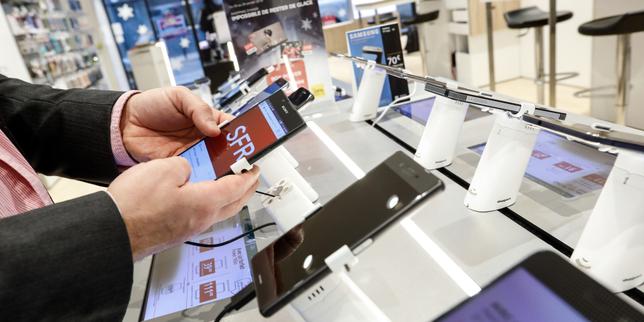
Le crépuscule du quatrième homme : quand la consolidation des télécoms redessine nos factures
Le démantèlement potentiel de SFR par ses rivaux menace l’équilibre précaire des prix qui profitait jusqu'ici aux consommateurs français.
3 min de lecture
Blog Glamzn
Méthodes, guides et nouveautés pour trouver des clients, travailler vos documents et préparer vos examens
Le démantèlement potentiel de SFR par ses rivaux menace l’équilibre précaire des prix qui profitait jusqu'ici aux consommateurs français.
3 min de lecture

Alors que la France importe 70 % de ses engrais, notre souveraineté alimentaire vacille face aux soubresauts de l'énergie et de la géopolitique.
4 min de lecture

La fin de l'argent gratuit redéfinit les priorités économiques. Découvrez comment la remontée des taux d'intérêt impacte directement les marges de manœuvre des décideurs.
3 min de lecture

Alors que SFR vacille, le démantèlement possible du géant des télécoms français annonce une mutation profonde de notre intimité numérique et de la souveraineté européenne.
4 min de lecture

Analyse de la déconnexion entre les promesses législatives de blocage des prix et la réalité comptable des organismes de santé complémentaire.
4 min de lecture
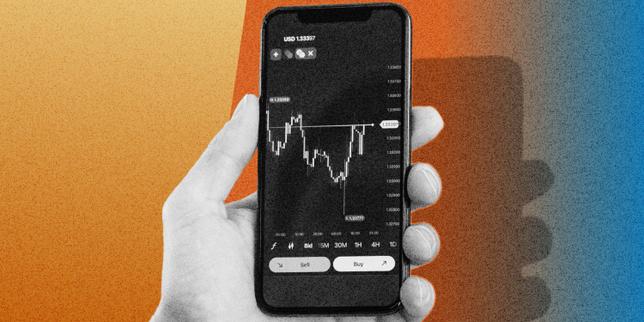
Découvrez comment l'IA redéfinit la gestion de patrimoine et pourquoi les jeunes investisseurs adoptent ces nouveaux outils numériques.
4 min de lecture

Le secteur bancaire italien entame une consolidation forcée sous l'impulsion de Banco BPM, redéfinissant les rapports de force européens.
3 min de lecture

L'Insee prévoit un sommet démographique avant un déclin progressif. Découvrez les conséquences réelles pour les entreprises et le marché du travail.
4 min de lecture

Malgré des bénéfices records, l'aviation mondiale traverse une zone de turbulences structurelles entre retards industriels et pressions réglementaires.
4 min de lecture
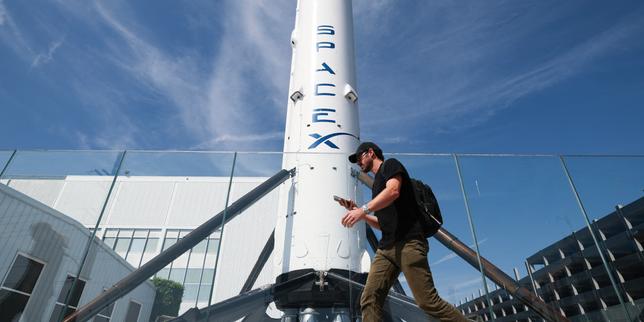
L'introduction en bourse de SpaceX ne vend pas des fusées, mais une infrastructure civilisationnelle future dont les fondations économiques restent à bâtir.
4 min de lecture

Le rachat total de MasOrange par l'opérateur historique change la donne pour le marché français des télécoms et la vente potentielle de SFR.
3 min de lecture
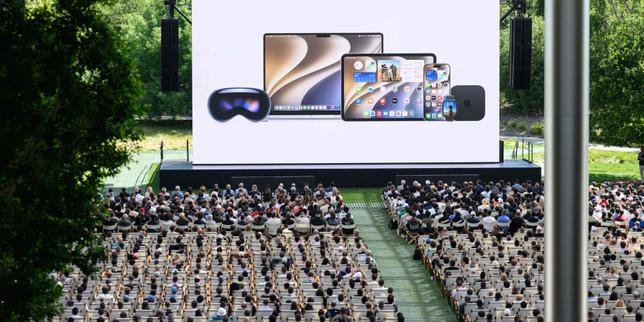
Apple réinvente Siri par l'IA, transformant l'assistant rigide en un compagnon capable de naviguer seul entre nos applications.
3 min de lecture