Alors que les tensions géopolitiques font grimper le prix à la pompe, l'exécutif temporise sur les aides financières. Analyse d'une stratégie risquée.
Des salons de la Restauration aux graphiques de Piketty, l'économie moderne redécouvre dans la fiction du XIXe siècle la vérité brute des inégalités sociales.
Le capitalisme moderne croit avoir inventé le storytelling financier. En réalité, il ne fait que recopier les structures narratives du roman du XIXe siècle.
Le blocage annoncé des routiers n'est pas qu'une colère sociale, c'est l'implosion d'un modèle économique incapable d'absorber la volatilité énergétique.
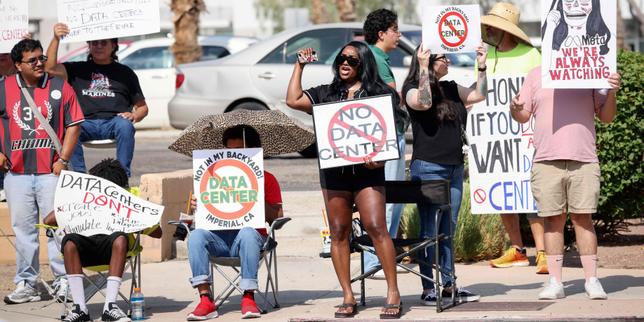
As data centers consume more power and automate more roles, a new legislative push seeks to tax the hardware to save the humans.
ByteDance isn't just building AI video; they're weaponizing their massive distribution via CapCut to crush competitors before they can scale.
As tech giants retreat from the messy borders of human desire, we are left to wonder who is allowed to define the boundaries of our private interactions with machines.
Wikipedia editors are implementing stricter rules for AI-written articles to prevent misinformation and maintain the platform's editorial integrity.
Google's new switching tools for Gemini aren't about convenience; they're a calculated attempt to break the stickiness of ChatGPT and Claude.
A recent court ruling clarifies how the U.S. government can—and cannot—restrict artificial intelligence companies based on defense concerns.
David Sacks is stepping back from his role as AI czar, proving that Silicon Valley's political ambitions often clash with the reality of Washington.
AI companies are hitting a wall where code meets the physical world. From Kentucky land deals to courtrooms, the era of frictionless growth is over.