







Why Local Supply Chains Break and How Community Capital Fixes Them
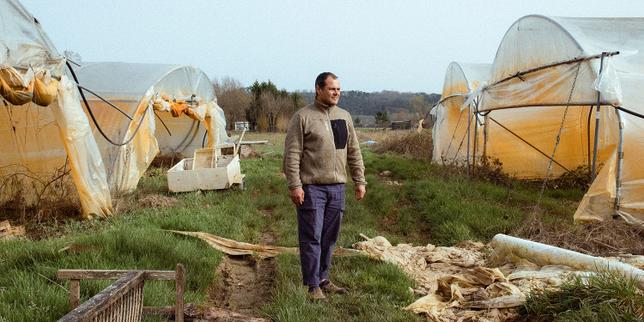
The Fragility of the Farm-to-Table Link
Most restaurant diners rarely think about the soil conditions of the farms that provide their dinner. We see the finished plate, but we don't often see the fragile logistics that bring a carrot or a leek from the earth to the kitchen. When a single extreme weather event occurs, it can break a link in the supply chain that takes years to forge.
This reality recently hit the Entre-Deux-Mers region near Bordeaux. After the heavy rains of Storm Nils, the fields belonging to organic farmer François Araujo in Tabanac were submerged. For a small-scale producer, sitting water isn't just a temporary delay; it is a total loss of current inventory and a threat to future soil health. When the crops died, the local restaurants that relied on them faced an immediate shortage of the high-quality ingredients their menus were built around.
Traditional insurance and government aid often move too slowly for the biological clock of a farm. A farmer needs seeds, equipment, and labor immediately to salvage a season. This gap between the disaster and the check is where many small businesses disappear. However, a group of local chefs decided that losing a supplier was not an option they were willing to accept.
The Shift from Consumer to Stakeholder
The relationship between a chef and a farmer is often described as a transaction, but in reality, it is a partnership. In Gironde, this partnership evolved into a rescue mission. Instead of simply finding new vendors, several prominent restaurateurs organized a mobilization effort to fund the recovery of the Tabanac farm. This represents a shift in how we view the resilience of local food systems.
- Financial Bridge: Crowdfunding and direct donations provide the immediate liquidity that banks often deny to high-risk agricultural projects.
- Risk Sharing: By investing in the farmer's recovery, the restaurants are essentially insuring their own future supply of niche, organic produce.
- Community Awareness: These efforts pull the curtain back for the public, showing that the price of a meal includes the cost of protecting the land it came from.
This model of community-supported agriculture serves as a blueprint for other industries. It suggests that when a vital part of your ecosystem is under threat, the most logical business move is to help them rebuild. It turns a one-way purchase into a circular support system where the success of the buyer is tied to the survival of the maker.
Why Traditional Recovery Often Fails
Standard disaster relief is designed for physical infrastructure like roads and buildings. It rarely accounts for the nuances of regenerative farming or the specific timing required for organic certification. If a field is flooded, the biological balance of the soil is disrupted. Restoring that balance requires specialized knowledge and specific inputs that generic aid packages don't cover.
By stepping in directly, the culinary community provided more than just cash. They provided the social proof needed to show that this specific farm was an essential part of the regional economy. This type of social capital can be more valuable than a low-interest loan because it guarantees a market for the farmer once the fields are dry and the new seeds are planted.
The Future of Regional Food Security
As weather patterns become more unpredictable, the Tabanac incident serves as a warning for digital marketers and founders who work in the physical goods space. Relying on a global supply chain offers a false sense of security, but relying on a local one requires active maintenance. You cannot expect a local ecosystem to be there for you if you only interact with it when things are going well.
The mobilization in Bordeaux highlights a growing trend: the professionalization of mutual aid. We are seeing more groups of small business owners forming informal cooperatives to protect their shared interests. This isn't just about charity; it is about strategic preservation. If the organic farmer goes out of business, the restaurant loses its competitive edge, and the consumer loses access to quality food.
The takeaway for anyone managing a brand or a business is clear. Your network is only as strong as its most vulnerable member. Investing in the recovery of your partners isn't an act of altruism—it is an act of long-term stability. Now you know that the next time you see a local business supporting a supplier, they aren't just being nice; they are protecting the foundation of their own work.
Planificateur social media — LinkedIn, X, Instagram, TikTok, YouTube