







When Performance Becomes Protest: Using Interactive Theater to Combat Gender Violence
The Shift from Spectator to Participant
Most of us are used to theater as a one-way street. We sit in the dark, watch a story unfold, and leave with our own thoughts. But for activists in Ciudad Juárez and Montreuil, this traditional distance is a luxury they can no longer afford. They are using a method called interactive theater to bridge the gap between watching a problem and taking responsibility for it.
The goal is simple but difficult: to move the audience from a state of observation to a state of action. In these performances, the boundary between the stage and the seating area disappears. This approach is being used to address the crisis of femicide, providing a space where people can rehearse real-world interventions without real-world danger.
The Mechanics of Forum Theater
At the heart of this movement is a technique where a scene of injustice is played out until it reaches a breaking point. Instead of the curtain falling, the facilitator invites the audience to stop the action. A member of the public can then step onto the stage, replace one of the characters, and attempt to change the outcome through different dialogue or actions.
- The Protagonist: Usually the person facing the conflict or oppression.
- The Spect-actor: An audience member who steps into the scene to test a new strategy.
- The Joker: A neutral facilitator who guides the interaction without providing the answers.
A Cross-Border Collaboration for Safety
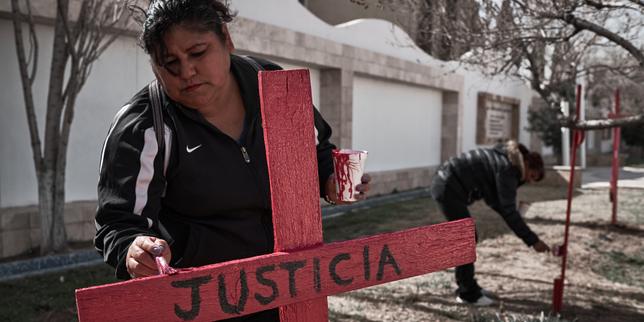
This initiative isn't happening in a vacuum. It is the result of a partnership between a French association and the women's collective of Ciudad Juárez. While the geography separates them, the underlying social issues are strikingly similar. By sharing these theatrical tools, the groups are building a shared vocabulary for resistance.
In Ciudad Juárez, a city that has become synonymous with violence against women, these workshops offer more than just creative expression. They provide a safe environment to analyze systemic patterns. When a group of neighbors watches a simulated domestic dispute and collectively brainstorms how to intervene, they are building the social muscle memory needed for the next time it happens on their street.
Why This Works Better Than a Lecture
Information alone rarely changes behavior. You can read a thousand statistics about gender violence, but empathy and action are triggered by experience. Interactive theater works because it is visceral. It forces the brain to solve a puzzle in real-time while feeling the emotional weight of the situation.
By practicing these interactions, participants lose the paralysis that often comes with fear. They learn how to spot the early warning signs of escalation and, more importantly, they realize they have the agency to disrupt those patterns. It turns a massive, overwhelming social issue into a series of small, manageable choices.
The Long-Term Impact on Community Health
The influence of these performances extends far beyond the final bow. Participants often report that the experience changes how they view their roles within their own families and workplaces. It creates a ripple effect where the strategies practiced on stage begin to surface in everyday conversations.
This isn't about finding a single perfect solution to a complex problem. It is about encouraging a culture of collective vigilance. When an entire community participates in these simulations, the burden of safety shifts from the individual to the group. The theater becomes a laboratory for a safer society.
Now you know that theater can be more than entertainment; it is a practical tool for social engineering. By turning the audience into actors, these activists are ensuring that when real-world violence occurs, fewer people will stand by and watch.

Convertir PDF en Word — Word, Excel, PowerPoint, Image