







The Truffle Saturation: Why Synthetic Aromas Are Diluting Your Brand Value
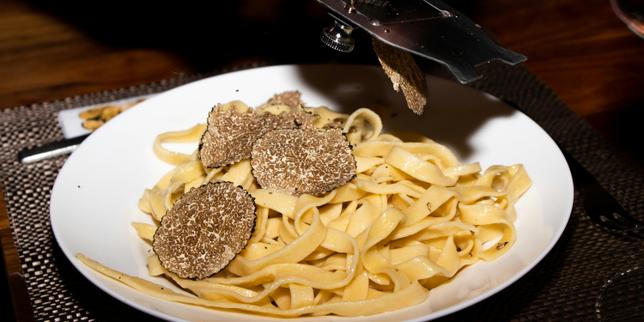
Why is every product on the shelf suddenly infused with truffle?
If you are building a food tech product or managing a luxury brand, you have likely noticed the black-specked invasion. Truffle oil, truffle chips, and even truffle-scented raclette cheese have moved from high-end bistros to gas station snacks. For builders, this isn't just about a flavor trend; it is a case study in how over-saturation and synthetic additives can erode the perceived value of a premium asset.
Real truffles are rare, seasonal, and expensive. What you are seeing in most mass-market products is 2,4-dithiapentane, a laboratory-derived molecule that mimics the pungent scent of the real fungus. When a luxury marker becomes a cheap additive, it loses its signaling power. If you are positioning a product as high-end, using these shortcuts can actually alienate your most discerning customers who recognize the chemical aftertaste.
How does mass-market adoption kill premium positioning?
The transition of truffle from a rare delicacy to a processed food staple follows a predictable pattern in product lifecycle management. When a feature becomes ubiquitous, its marginal value drops to zero. In the software world, this is like a specialized API becoming a standard library feature; in the physical product world, it results in consumer fatigue.
- Loss of exclusivity: When a consumer sees "truffle" on a discount grocery store shelf, they stop associating it with fine dining.
- Sensory overload: Strong synthetic scents can overwhelm the actual product, leading to a poorer user experience.
- Trust erosion: Using "black points" in cheese to simulate luxury without providing the actual ingredient creates a gap between marketing and reality.
Smart developers and founders should look at this as a warning. If your unique selling proposition relies on a trend that is easily replicated with cheap substitutes, your moat is non-existent. You are competing on price rather than quality, which is a race to the bottom.
What can product builders learn from the truffle fatigue?
Instead of chasing the latest ingredient or feature trend, focus on the integrity of the core experience. If you are developing a new product, avoid the temptation to add "fluff" features that look good on a landing page but offer no real substance. Authenticity is becoming a scarce resource in a market flooded with synthetic alternatives.
- Audit your product for "synthetic" features that don't add real value.
- Prioritize transparency in your sourcing or your tech stack to build long-term trust.
- Watch for signs of market saturation before doubling down on a popular trend.
The goal is to build something that lasts beyond the current cycle of hype. When everyone else is adding fake truffle to their cheese, the real winner is the one who delivers a high-quality, honest product that doesn't need to hide behind a chemical scent.
Keep an eye on how your competitors use these shortcuts. If you see the market leaning heavily into cheap imitations, it is usually the right time to pivot toward genuine quality and transparent communication with your users.
Videos UGC avec avatars IA — Avatars realistes pour le marketing