







The Sticker Shock of the Open Road
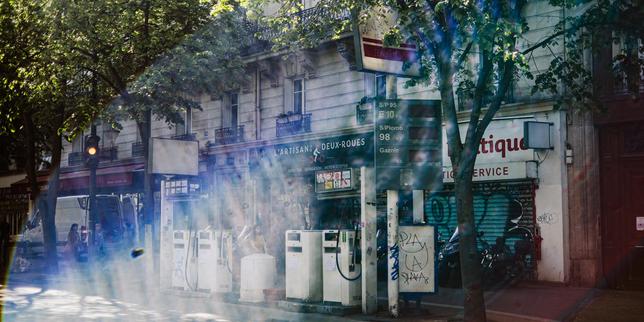
The Sudden Math of the Service Station
Marc leaned against the side of a rented SUV at a rest stop outside of Lyon, watching the numbers on the pump display flicker upward like a hyperactive stock ticker. Back in Paris, his biggest transit concern was whether the Line 13 would be too crowded for him to open his laptop. Now, he was staring at a total that had just eclipsed eighty euros, and the nozzle hadn't clicked off yet. For the first time in years, the abstract concept of fuel costs became a visceral reality.
For many professionals living in dense urban hubs, the monthly transit card is a fixed, almost invisible utility. It is a digital shadow in the banking app, a flat fee that grants unlimited access to the veins of the city. But as the spring holidays arrived, a wave of these urbanites traded their turnstiles for steering wheels. They were met with a harsh lesson in the economics of the external world.
The realization hits differently when you can feel the vibration of the pump in your palm. To a person who measures distance in subway stops, the discovery that a single tank of gas can cost more than a full month of unlimited city travel is a jarring cultural shift. It is a moment where the convenience of the city meets the raw overhead of the countryside.
The monthly transit pass, once a source of mild grumbling, suddenly looks like the greatest bargain in modern history.
The Bubble Bursts at the Pump
This demographic isn't used to fluctuating prices. In the city, a coffee is five euros today and five euros tomorrow. The subway fare is set by a committee and changes once a year, if that. Watching the price of unleaded dance based on global tensions and refinery schedules is a form of stress urban dwellers usually outsource to their delivery apps.
As these holiday travelers return to their coworking spaces and studio apartments, they carry a new perspective on the cost of movement. They talk about the bridge tolls and the liters per kilometer with the intensity of people who have just discovered a secret tax. The car, which they viewed as a symbol of freedom while scrolling through rental options, began to feel like a hungry mouth that needed constant feeding.
The conversation in the office kitchen has shifted. People are no longer just comparing airfare or hotel rates; they are auditing the hidden costs of the 'getaway.' There is a dawning understanding that the dense, vertical life of the city acts as a protective shield against the volatility of the energy market. When you live on top of a metro station, you are insulated from the price of Brent Crude.
The Long Ride Back to Reality
The friction between the city and the road reveals a deeper split in how we perceive value. For the rural commuter, the price of gas is a daily metric of survival, a number etched into the brain like a phone number. For the urban visitor, it is a shocking tourism tax, a reminder of why they chose to live in a place where they don't have to own a machine just to buy a loaf of bread.
There is a certain irony in seeing a founder who just raised a seed round wince at the cost of filling up a mid-sized hatchback. It highlights how detached our digital, service-oriented lives have become from the physical infrastructure that moves the rest of the world. The pump doesn't care about your valuation; it only cares about the volume of the liquid passing through the hose.
As the sun sets over the ring road and the rental cars are returned with just enough fuel to avoid a penalty, the city dwellers descend back into the tunnels. They tap their plastic cards against the readers with a newfound sense of gratitude. The rhythmic sound of the subway car on the tracks feels a lot more like a savings account than it did a week ago.
Was the freedom of the open road worth the triple-digit bill at the station? Most will say yes, but next time, they might check the fuel efficiency ratings before they check the sound system.

Convertir PDF en Word — Word, Excel, PowerPoint, Image