







The René Chateau Liquidation: Unlocking the Value of France’s Gated Cinema Empire
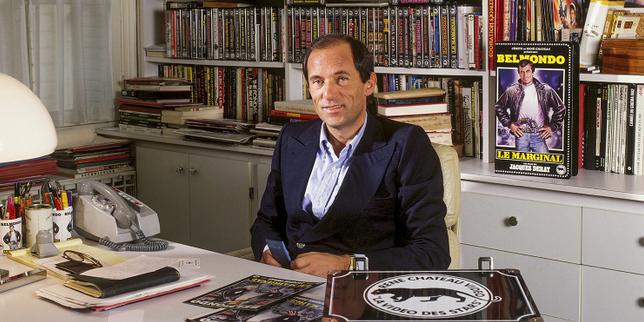
The Business of Nostalgia and the Video Rental Moat
René Chateau was never just a cinephile; he was a master of vertical integration. Before the streaming giants consolidated global libraries, Chateau understood that controlling the distribution of niche, high-demand content was the ultimate defensive play. By securing the rights to Bruce Lee’s filmography and Jean-Paul Belmondo’s most commercial hits, he built a distribution engine that dominated the European home video market for decades.
His company, Editions René Chateau, didn't just sell tapes; it sold a curated aesthetic. By wrapping high-octane action and classic French noir in recognizable yellow-and-black branding, he created a proprietary distribution channel that bypassed traditional gatekeepers. This was a classic high-margin play: acquire undervalued assets, package them for a hungry secondary market, and extract rent through physical media sales.
The upcoming auction at Hotel Drouot represents the final liquidation of a physical inventory that once served as a massive barrier to entry. While the world moved to digital bits, Chateau remained a collector of atoms—thousands of original posters, rare memorabilia, and archival objects that defined the visual language of 20th-century cinema.
The Valuation of Physical IP in a Digital Age
This sale serves as a stress test for the valuation of physical cinema artifacts. In a market where intellectual property (IP) is increasingly intangible, the physical objects associated with that IP are becoming speculative assets. The value here isn't in the paper or the ink; it is in the provenance of a man who single-handedly dictated the viewing habits of a generation.
- Scarcity as a Pricing Lever: Chateau held onto his collection with an iron grip, creating a supply vacuum that this auction will suddenly fill.
- Cultural Arbitrage: He excelled at taking 'low-brow' genres like martial arts and elevating them through premium packaging, a strategy modern luxury brands still use.
- Brand Equity: The Chateau name functions as a seal of quality, ensuring that even mid-tier items will command a 'collector’s premium' at the hammer.
Mes souvenirs ne sont pas à vendre, mais mes films, c’est une autre histoire.
The strategic error many collectors make is failing to realize when a market has peaked. Chateau, however, held his position until the very end. This liquidation isn't a sign of a dying market, but rather a transfer of wealth from a legacy gatekeeper to a new class of digital-native investors who view these objects as alternative assets.
The Disruption of the Curation Model
Chateau’s success was built on information asymmetry. He knew which films were valuable before the general public did, and he secured the rights when they were cheap. Today, that advantage is gone. Algorithms now identify trending nostalgia faster than any human curator can. The 'Chateau Model'—buying the rights and the physical archives—is being replaced by decentralized licensing and AI-driven content discovery.
We are seeing the sunset of the regional distribution kingpin. As these thousands of items are dispersed among global bidders, the centralized power Chateau once held is being fragmented. This is the democratization of the archive, but it comes at the cost of the curated experience that made his brand so powerful in the first place.
The Strategic Bet
I am betting against the long-term appreciation of physical posters, but I am betting heavily on the revival of the Belmondo-style 'star vehicle' business model. Chateau proved that a single charismatic lead, backed by aggressive distribution and distinct branding, can outperform a diversified but soulless studio slate. The smart money should watch who buys the underlying rights to these catalogs next—because that is where the real recurring revenue lives.
Chat PDF avec l'IA — Posez des questions a vos documents