







The Persistence of the Bruel Industrial Complex
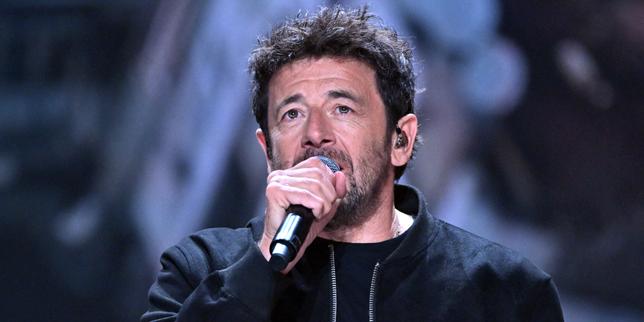
The Myth of the Untouchable Idol
For decades, Patrick Bruel was not merely a pop star; he was a cultural fixture protected by a glass dome of media adoration. While the French public focused on his poker face and his balladry, a darker narrative was quietly accumulating in the wings. The recent accounting of allegations spanning from 1991 to 2019 suggests that the 'Bruelmania' phenomenon wasn't just about music, but about a specific type of power that operated without oversight.
We often talk about the decoupling of the artist from the art, but in Bruel’s case, the art was the very vehicle used to establish a sense of unimpeachable charisma. The scale of the accusations—some thirty women coming forward—points to a systemic failure in the French entertainment industry rather than a series of isolated incidents. It is a classic example of how a celebrity’s brand can serve as a shield, making the cost of speaking out prohibitively high for those on the periphery.
The Long Timeline of Institutional Silence
Le Monde first mentioned Bruel in 1979, marking the start of a forty-year trajectory that saw him transition from a young actor to a national institution. This longevity is exactly what makes the current reckoning so uncomfortable for the establishment. It is much easier to discard a flash-in-the-pan influencer than it is to interrogate the behavior of a man who has been a household name for four decades.
L’artiste français, phénomène des années 1990, est accusé par une trentaine de femmes de violences sexuelles commises entre 1991 et 2019.
This timeline is damning because it suggests that the behavior remained consistent even as the world around the artist changed. The duration of these alleged incidents implies that the machinery surrounding Bruel—managers, producers, and media outlets—was either blissfully ignorant or willfully blind. In the tech world, we talk about 'technical debt,' but this is a form of moral debt, where the interest has been accruing since the nineties and the bill is finally being presented.
The Fracture in the Fanbase
The reaction to these revelations reveals a deep schism in how we consume legacy media. Older fans often retreat into nostalgia, viewing the accusations as an attack on their own youth, while younger observers see a clear pattern of predatory behavior enabled by fame. This isn't just about one man; it's about the erosion of the 'great man' theory in French culture. We are witnessing the collapse of the idea that being a national treasure grants one immunity from the standards applied to everyone else.
Digital archives have made it impossible for these stories to remain buried in the way they might have been in the pre-internet era. Every interview, every public appearance, and every lyric is now being re-examined through a lens that didn't exist when Bruel was at the height of his powers. The industry is finding that you cannot simply 'patch' a reputation once the underlying code is revealed to be this compromised.
Ultimately, the Bruel case serves as a warning for any industry that prioritizes individual brilliance over collective accountability. The infrastructure that allowed a three-decade gap between the first alleged incident and a public reckoning is inherently broken. Whether the legal system catches up with the cultural sentiment is almost secondary; the myth of the idol is already dead, and no amount of PR management can resurrect it.
Planificateur social media — LinkedIn, X, Instagram, TikTok, YouTube