







The Mechanics of Discomfort: Diego Marcon and the Industrialization of Surrealism
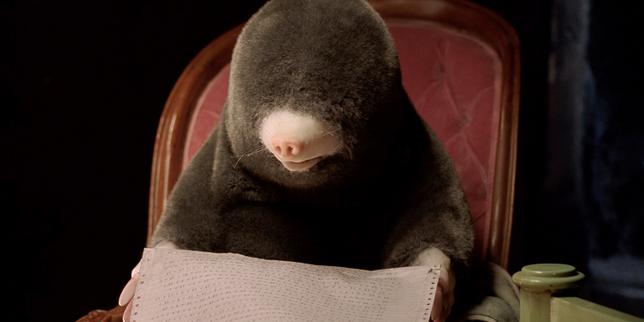
The Mathematical Precision of Psychological Disturbance
Italian visual artist Diego Marcon does not rely on traditional horror tropes; instead, he utilizes a frame-by-frame methodology to trigger visceral reactions in his audience. His current installation at Lafayette Anticipations transforms a high-concept gallery space into a sterile projection room, highlighting the cold technicality behind his surrealist visions. By stripping away the warmth of traditional narrative, Marcon forces viewers to confront the raw mechanics of the moving image.
His work functions like a closed loop, where repetitive movements and uncanny character designs create a sense of claustrophobia. This is not accidental. Marcon's background in structural film informs his choice to use physical sets and puppetry over digital effects, resulting in a tactile reality that feels fundamentally wrong to the human eye. The data suggests that this 'uncanny valley' effect is most potent when the medium—be it film or sculpture—mimics human behavior with 90% accuracy but fails in the final 10%.
Four Studies in Controlled Tension
The exhibition focuses on four specific films that serve as case studies for Marcon's aesthetic strategy. Each piece operates on a specific frequency of unease, utilizing sound and light to manipulate the physical environment of the viewer. The selection illustrates a clear progression in his technical capability and his ability to command a room's atmosphere through minimalism.
- Ludwig (2018): A computer-generated child sings a melancholic aria while a storm rages outside. The contrast between the digital perfection of the render and the primal fear of the dark creates a jarring sensory disconnect.
- The Parents' Room (2021): Using hyper-realistic masks and stop-motion techniques, this piece explores domestic tragedy through a lens of frozen, plastic-like emotion. It highlights Marcon's obsession with the boundary between the living and the inanimate.
- Monelle (2017): This work utilizes 35mm film and structural interventions to create a flickering, stroboscopic experience. It challenges the viewer's persistence of vision, turning the act of watching into a physical endurance test.
- Dolle (2023): His most recent exploration continues the theme of repetitive, almost mechanical human movement, suggesting that our daily routines are merely a series of programmed loops.
The Business of the Uncanny in Contemporary Art
Foundations like Lafayette Anticipations are increasingly pivoting toward immersive, cinema-based installations to drive engagement. In a market where digital content is infinite and disposable, the physical experience of a dark, silent room offers a scarcity value that traditional galleries struggle to replicate. Marcon represents a generation of artists who view the cinema not as a place for storytelling, but as a laboratory for sensory manipulation.
The cost of producing these high-fidelity short films is significant, often requiring the same technical expertise as commercial VFX houses. However, the return on investment for an institution comes from the extended dwell time of visitors. While a painting might capture attention for 15 to 30 seconds, Marcon’s films command the viewer’s presence for their entire duration, often 10 to 20 minutes. This shift in attention metrics is redefining how curators select work for high-traffic urban centers.
As digital avatars and AI-generated imagery become indistinguishable from reality, Marcon’s deliberate use of the 'strange' will likely become the new gold standard for authenticity. By 2026, expect a surge in gallery-funded cinematic projects that prioritize neurological impact over narrative coherence, as the art world competes with the high-intensity feedback loops of social media platforms.

Convertir PDF en Word — Word, Excel, PowerPoint, Image