







The Hormuz Chokepoint: Why 20% of Global Energy Liquidity is at Risk
The Mathematics of a Global Energy Shutdown
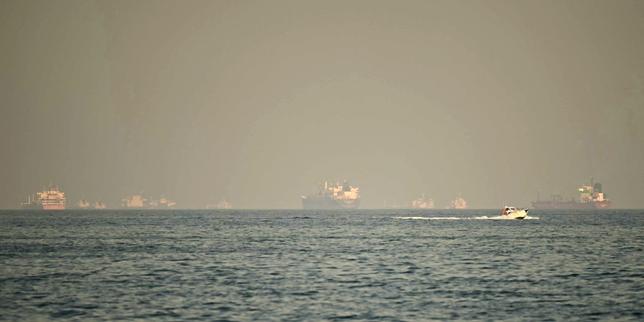
Geopolitics is often viewed through the lens of ideology, but for the global economy, it is a matter of unit economics and supply chain resilience. The Strait of Hormuz is not just a geographical feature; it is a single point of failure for the global energy market. With approximately 20.5 million barrels per day (bpd) of petroleum liquids passing through this passage, we are looking at roughly 21% of total global oil consumption flowing through a channel that is only 21 miles wide at its narrowest point.
When Israel and the United States engage in kinetic operations against Iranian assets, they aren't just hitting military targets. They are testing the risk tolerance of global insurance markets and the physical capacity of the world's energy infrastructure. If this artery is severed, there is no immediate pivot. Pipeline alternatives through Saudi Arabia and the UAE exist, but they currently lack the combined capacity to offset a full blockage of the strait.
The use of Asymmetric Warfare
Iran understands that it cannot win a conventional blue-water naval conflict against the U.S. Fifth Fleet. Instead, they have optimized for a low-cost, high-impact denial strategy. By using swarming fast-attack craft, sea mines, and shore-based anti-ship missiles, Tehran can drive the cost of maritime insurance to prohibitive levels without ever officially 'closing' the waterway.
- Insurance premiums: At the first sign of sustained conflict, war-risk premiums for tankers skyrocket, effectively taxing every barrel of oil before it even leaves the Persian Gulf.
- The China Factor: China is the primary buyer of Iranian crude and a massive importer of GCC oil. Any disruption puts Beijing in a position where they must either intervene diplomatically or face a catastrophic domestic energy shock.
- The SPR Buffer: The U.S. Strategic Petroleum Reserve is a finite tool. Deploying it can dampen short-term price spikes, but it cannot fix a structural deficit caused by a physical blockade.
Business leaders often mistake the Strait of Hormuz for a regional problem. In reality, it is a systemic risk to the global manufacturing sector. A sustained $150+ oil price environment would trigger an immediate margin squeeze for every logistics-heavy business on the planet, from e-commerce giants to heavy industry.
Who Wins and Who Loses in a Blockade
In a world where Hormuz is contested, the winners are those with supply chains decoupled from the Middle East. North American shale producers and renewable energy infrastructure providers see their strategic value multiply overnight. Conversely, the losers are the energy-intensive emerging markets that lack the foreign exchange reserves to compete for expensive, diverted cargoes on the spot market.
The strait is the jugular vein of the global economy, and currently, the knife is held by a regime with very little to lose in a traditional trade war.
We are moving away from an era of frictionless trade and into a period of fortress economics. Companies are no longer optimizing for the lowest cost; they are optimizing for the highest certainty. The vulnerability of the Strait of Hormuz is the ultimate argument for localized production and energy independence.
My bet is on non-OPEC supply growth and deep-water exploration in the Atlantic Basin. Betting on the stability of the Persian Gulf is a legacy trade that ignores the reality of modern asymmetric conflict. I would be short on global shipping conglomerates that haven't diversified their routes and long on domestic energy storage and midstream infrastructure in the Permian Basin.
Videos Faceless — Shorts viraux sans montrer son visage