







The Hidden Economy of High Altitudes: Why Modern Shepherds are Unionizing
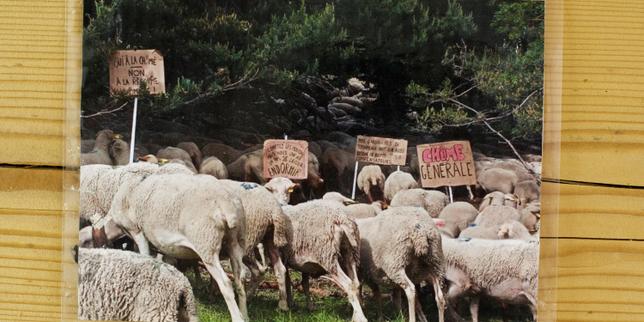
The Price of the Pastoral Dream
Most of us view the image of a shepherd on a mountain slope as a relic of a simpler time or a postcard of peace. For the people actually holding the crook, however, the reality is a complex mix of high-stakes livestock management and an increasingly broken financial model. In the high summer pastures, a new generation of workers is pointing out a harsh irony: they are often paying for the privilege of working.
This shift in perspective is not about a lack of passion. These workers choose the mountains because they care about biodiversity and animal welfare. But passion does not pay for health insurance or groceries. As the United Nations prepares to recognize 2026 as the International Year of Rangelands and Pastoralists, the people on the ground are asking for something more tangible than a commemorative year. They are asking for a professional structure that reflects the difficulty of their labor.
The Logistics of High-Altitude Labor
To understand why these workers are organizing, it helps to look at the mechanics of the job. A shepherd is not just a guard; they are a mobile veterinarian, a predator deterrent, and a land manager. They work in environments where the weather can turn life-threatening in minutes and where they are responsible for thousands of dollars worth of livestock belonging to someone else.
- Isolated Work Cycles: Shepherds often live in remote cabins for months, far from basic infrastructure.
- Constant Vigilance: Unlike a standard office job, the 'office' is a living ecosystem that requires 24-hour attention.
- Financial Risk: Many workers find that after paying for their own supplies and transportation, their take-home pay is negligible.
The movement toward unionization among these workers is a response to the volunteer expectation. For decades, the industry relied on the idea that the beauty of the mountains was part of the compensation. Young shepherds today are rejecting that premise, arguing that ecological stewardship is a professional service that deserves a professional wage.
Negotiating with Tradition
The tension usually exists between the shepherds and the livestock owners, who are often facing their own financial pressures from global markets and rising costs. However, the newly formed unions are looking to change the conversation from one of personal favors to one of legal contracts. They want to establish clear standards for housing, rest periods, and hourly rates that account for the reality of mountain life.
The Role of the Modern Union
By forming a collective voice, these workers are able to negotiate with regional agricultural boards in a way that an individual shepherd never could. They are pushing for standardized employment agreements that prevent owners from undercutting wages. This isn't just about money; it is about the long-term survival of the profession. If the financial burden remains too high, the next generation will simply stop going to the mountains.
When we talk about sustainable food systems, we often focus on the soil or the animals. These labor movements remind us that the human element is just as vital. A sustainable pasture is impossible without a shepherd who can afford to live. By demanding better conditions, these workers are trying to ensure that pastoralism remains a viable career rather than a dying hobby for the wealthy or the desperate.
Now you know that behind the quiet scenery of the high alpages, a sophisticated labor movement is working to ensure that those who protect our food sources are not exploited by the very space they serve.

Convertir PDF en Word — Word, Excel, PowerPoint, Image