







The End of the Golden Handcuffs: Why Luxury Houses are Losing Their Grip on Celebrity Exclusivity
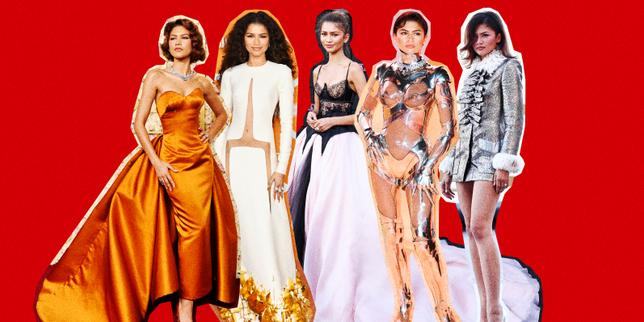
The Illusion of Total Loyalty
For decades, the luxury fashion business model relied on a simple, expensive binary: a star was either yours or they were the enemy's. If an actress signed a multi-million dollar deal with a French house, she was effectively barred from wearing a rival's zipper on a red carpet for the duration of the contract. This created a predictable, if sterile, marketing environment where the brand's logo was the only story told.
The current market shift suggests that the exclusive brand ambassador is becoming an endangered species. We are seeing a quiet dismantling of the traditional 'total ownership' clause in talent contracts. Major players are now permitting their faces to mix and match labels at high-profile events, a move that seems counterintuitive to brand purity but is actually a calculated response to a more cynical audience.
Modern consumers have developed a keen eye for paid sincerity. When a celebrity wears only one brand for three years, it no longer looks like a style choice; it looks like a corporate obligation. By allowing stars to dabble in other designers, brands are attempting to buy back the one thing money usually destroys: authenticity. The goal is to make the moments they do wear the primary brand feel like a genuine preference rather than a legal requirement.
The Strategic Pivot to Influence Arbitrage
The financial math behind these deals is changing because the platform for exposure has fragmented. In the past, a Vogue cover or an Oscar walk was the only metric that mattered. Now, a brand needs to survive the 24-hour churn of social media feeds where repetition leads to invisible content. By loosening the reins, houses allow their ambassadors to remain relevant in more varied contexts, keeping the star's personal 'stock' high, which theoretically benefits the primary sponsor.
The most intelligent houses understand that it is no longer in their interest for an artist to exclusively wear their models, as the lack of diversity can lead to brand fatigue and a loss of cultural relevance for the celebrity.
This admission reveals a deeper anxiety within the industry. If a brand 'owns' a celebrity too tightly, they risk going down with the ship if that celebrity's style begins to feel dated. By encouraging a multi-brand wardrobe, the primary label survives as a piece of a larger lifestyle rather than a restrictive uniform. It is a shift from monolithic branding to a more agile form of product placement.
There is also the matter of the 'stylist as power broker.' Modern stylists often carry as much weight as the celebrities themselves, and they loathe being restricted to a single rack of clothes. To keep the best stylists happy—and to ensure their brand stays in the mix for the most photographed moments—luxury houses are forced to play nice with the competition. It is a fragile peace treaty brokered by the people who actually decide what goes in the garment bag.
The Hidden Cost of Freedom
While this looks like a win for creative expression, it is actually a sophisticated data play. Brands are now tracking 'earned media value' across a variety of appearances. They are finding that a star wearing a rival brand on Tuesday can actually spike the search volume for the primary brand on Wednesday, provided the star remains 'cool' in the eyes of the public. The exclusivity is not disappearing; it is being redistributed into specific categories like jewelry or handbags while the clothing becomes a free-for-all.
This creates a new hierarchy where only the absolute top-tier brands can demand even partial exclusivity. Mid-market luxury firms are being squeezed out, unable to compete with the sheer gravitational pull of the legacy houses that can afford to let their stars wander. The risk for the star is becoming a walking billboard for a dozen different interests, eventually diluting their own personal brand until they represent nothing at all.
The survival of the high-fashion endorsement model now hinges on one specific factor: the ability of a brand to remain the 'anchor' in a celebrity's wardrobe without the protection of a non-compete clause. If a house cannot maintain its status as the preferred choice when the star is legally allowed to wear anything else, the marketing department has failed. The next two awards seasons will prove which brands have actual cultural capital and which were merely relying on the strength of their legal teams.
Videos UGC avec avatars IA — Avatars realistes pour le marketing