







The Art of the Non-Review: Decoding the Language of Professional Diplomacy
The Social Dilemma of Instant Feedback
You have likely found yourself in a situation where a friend shows you a passion project—a new app, a marketing deck, or a rough draft—and asks for your honest opinion. The tension is immediate. You want to be truthful, but you also want to maintain the relationship. In the high-stakes environment of the Cannes Film Festival, this social friction is amplified by a thousand.
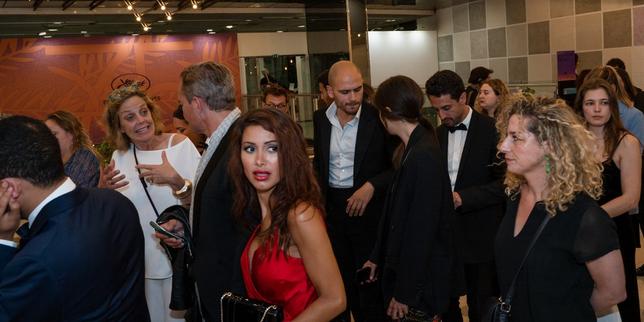
When the lights come up after a premiere, the creators are often standing in the lobby. Critics and industry professionals are forced to offer an immediate reaction before they have even processed what they saw. Over decades, this pressure has birthed a specific dialect of professional diplomacy: the art of saying something without saying anything at all.
The Vocabulary of Evasion
To the untrained ear, certain phrases sound like compliments. To an industry insider, they are often code for a lack of enthusiasm. Understanding these linguistic maneuvers reveals how professionals manage expectations and preserve social capital in a small, interconnected industry.
- "It is their most personal work yet": This is the ultimate defensive shield. It shifts the focus from the quality of the product to the intentions of the creator. It suggests that while the result might be messy or inaccessible, it is deeply meaningful to the person who made it.
- "The ambition is undeniable": Often used when a project fails to reach its goals. It praises the scale of the attempt rather than the success of the execution.
- "It certainly gives us a lot to discuss": A tactical way to acknowledge that a project is polarizing or confusing without taking a side.
- "The craft is on full display": This usually highlights the technical aspects—the lighting, the sound, or the interface—because the core narrative or purpose did not resonate.
These phrases act as a social lubricant. They allow the speaker to remain polite while avoiding a lie that could damage their professional reputation later when their formal review is published.
Why Strategic Ambiguity Matters for Founders
This behavior is not exclusive to film festivals. In the startup world, founders and investors often use similar linguistic gymnastics during networking events or pitch feedback sessions. When a mentor says your idea is "brave" or "interesting for this specific market," they are often employing the same diplomatic toolkit used on the red carpet.
The Risk of the Polite Echo Chamber
The danger of this coded language is that it can create a false sense of security. If a founder only hears that their project is "personal" or "ambitious," they might miss the underlying signal that the product is not meeting market needs. Learning to listen for what is not being said is just as important as listening to the words themselves.
How to Extract Real Truth
To get past these polite barriers, you must change how you ask for feedback. Instead of asking "What did you think?"—which invites a diplomatic response—try asking more specific, mechanical questions:
- Which part of this felt the most friction-heavy to you?
- If you had to remove one element to make this clearer, what would it be?
- Who do you think this is definitely not for?
By narrowing the scope of the question, you give the other person permission to be critical without feeling like they are attacking your vision.
Now you know that when someone calls a project "personal," they are often reaching for a polite way to stay neutral. Recognizing these linguistic safety nets helps you navigate professional feedback with a clearer sense of reality.
Chat PDF avec l'IA — Posez des questions a vos documents