







The Art of the Angry Ballot: When Citizens Use Envelopes as Megaphones
The Poetry of the Invalid Vote
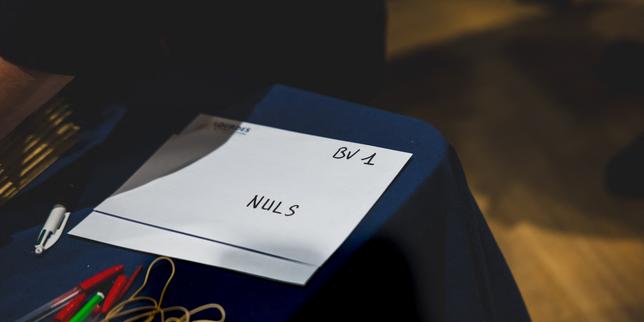
In a small, dimly lit community center on the outskirts of a quiet French village, a volunteer named Marc pulled a single envelope from a wooden box. The room was silent, save for the rhythmic rustle of paper and the soft scratch of pens on tally sheets. He slid his thumb under the flap, expecting to find the standard printed name of a candidate. Instead, he pulled out a hand-scrawled note on a scrap of lined notebook paper. It didn't ask for a change in policy or a new representative. It simply read: Support yourselves without me.
These moments are becoming the secret highlights of election nights. While news anchors focus on percentages and victory speeches, the people sitting at folding tables are discovering a different kind of data. They are seeing the raw, unedited frustration of a public that has decided to show up just to say they aren't participating anymore. It is a peculiar ritual—traveling to a polling station and waiting in line, only to cast a vote that technically does not count.
Guillemette Faure has spent time documenting these invisible shifts in our social fabric. She suggests that these null votes are not just mistakes or errors by confused citizens. They are deliberate acts of communication. In an age where digital comments are often drowned out by algorithms, the ballot box remains one of the last places where a person can be certain their message will be physically handled and read by another human being.
The Ballot as a Blank Canvas
The variety of these protests is staggering. Counters have reported finding everything from supermarket receipts and pressed flowers to photographs of pets tucked inside the official envelopes. Some voters treat the ballot like a confessional, writing long letters about their struggles with rent or their disappointment with local infrastructure. Others use humor as a weapon, casting votes for fictional characters, long-dead philosophers, or even their own neighbors.
This phenomenon tells us something vital about the current state of civic engagement. For these individuals, the act of voting has been replaced by the act of being heard. They are rejecting the menu provided to them but insisting on staying in the restaurant. It is a quiet, paper-based rebellion that bypasses the noise of social media. Each scribbled insult or heartfelt plea is a physical artifact of a relationship that has soured between the state and the constituent.
The null vote is the ultimate ghost in the machine: a deliberate choice to participate in the process while simultaneously rejecting its outcome.
There is a specific irony in the effort required for a null vote. In many jurisdictions, staying home is the easiest way to show apathy. To go through the motions of voting—the identification check, the curtained booth, the signature in the ledger—only to submit a drawing of a middle finger or a poem about loneliness requires significant energy. It is apathy performed with the intensity of a protest march.
The Human Tally
For the volunteers who spend their Sunday nights counting these papers, the experience can be jarring. They are tasked with maintaining the dignity of the democratic process, yet they are the ones who must witness the most visceral rejections of it. When a counter reads a note that says None of you represent my children's future, the statistics stop being numbers. They become a heavy, shared reality in the room.
These messages rarely make it into the official reports. They are classified as 'null' or 'blank' and moved into a pile that is eventually discarded or archived in a box that no one will likely open again. The political class rarely sees the handwriting or feels the anger behind the ink. The gap between the people counting the votes and the people crafting the policies remains wide, bridged only by these fleeting moments of anonymous honesty.
As we move toward more digitized voting systems in various parts of the world, this specific form of expression is under threat. A touch screen doesn't allow for a pressed flower or a handwritten grievance. It only allows for the choices programmed into it. One has to wonder what happens to all that redirected energy when the ballot box no longer accepts the human touch. When the paper disappears, where will the people who feel invisible go to leave their mark?

Createur de videos IA — Veo 3, Sora, Kling, Runway