







The Architecture of Influence: How France Built a Monopoly on Information
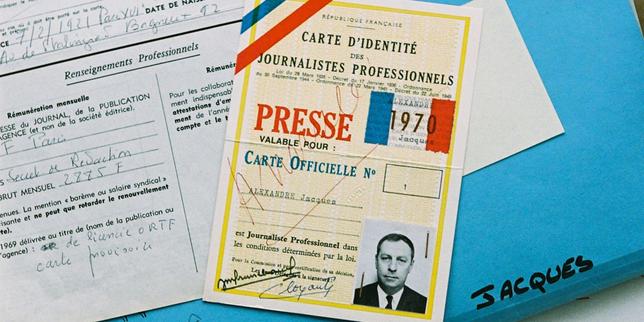
The Regulatory Moat of the Fourth Estate
This is not about journalism; it is about the institutionalization of access. Since 1936, the French press card (CCIJP) has functioned as the ultimate barrier to entry in the information market. While the digital age has democratized the ability to publish, the French state and legacy media conglomerates have maintained a rigid grip on the professional credential that grants legal and fiscal advantages.
By controlling the distribution of the carte de presse, the CCIJP acts as a centralized clearinghouse for human capital in the media sector. It creates an artificial scarcity of status that benefits incumbents while forcing independent creators to operate on the margins of the traditional business model. In a world of infinite content, this credential is the scarcity play that keeps legacy media relevant.
The Business of Legitimacy and Purges
The archives of this institution reveal a darker side of professional regulation: the power to exclude. During the Occupation and the post-war era, the commission transitioned from a bureaucratic body to a cleansing mechanism. This historical pivot demonstrates that whoever controls the accreditation process controls the labor market for truth.
For founders in the creator economy, these archives serve as a warning. When a single entity decides who qualifies as a professional, the market loses its ability to self-correct. The archives include figures like Joseph Kessel and Colette, but they also hide thousands of anonymous reporters who were denied the economic protections afforded to the elite. This is a classic example of protected labor categories protecting their own margins at the expense of innovation.
- Labor Protection: The card provides specific tax advantages that lower the cost of professional talent for established media firms.
- Market Entry: Without the card, capturing government-level access or secondary distribution rights becomes exponentially more expensive.
- Crisis Management: The post-war purge shows how quickly regulatory tools can be weaponized to reshape an entire industry overnight.
The Decentralization Threat
The current business model of the carte de presse is under siege from the decentralized web. We are seeing a shift from institutional trust to network trust. While the CCIJP once held the keys to the kingdom, the rise of Substack, social media personalities, and independent investigative units is rendering the physical card a relic of a pre-internet gatekeeping strategy.
The press card is the identity of a profession that has often had to fight to define itself against the state.
The strategic value of the card is migrating from legal protection to mere branding. For a modern media startup, the unit economics of hiring card-carrying journalists often weigh heavy against the agility of unaccredited digital natives who command larger, more loyal audiences without the overhead of 20th-century institutional baggage.
We are watching the slow-motion collapse of a 90-year-old monopoly. The archives show us how the moat was built, but the current market dynamics show us how it is being bypassed by asymmetric competitors who don't need a commission's permission to monetize their influence.
I am betting against the long-term relevance of centralized accreditation bodies. In the next decade, the most valuable media brands will be built on verified reputation protocols rather than physical cards issued by legacy committees. The future of the media business belongs to those who own their audience, not those who own a government-sanctioned permit.
Videos UGC avec avatars IA — Avatars realistes pour le marketing