







The Agrarian Lens: Why French Cinema is Returning to the Soil
The Great Decoupling of the Screen and the Soil
In the mid-20th century, the Green Revolution didn't just change how we grew wheat; it changed how we viewed the land. As tractors replaced horses, the cultural distance between the city and the farm widened until it became a chasm. For decades, the farmer was relegated to a background character or a tragic trope in the global cinematic consciousness. But a quiet inversion is taking place in the heart of France, a nation that has always treated its terroir with a reverence others reserve for religion.
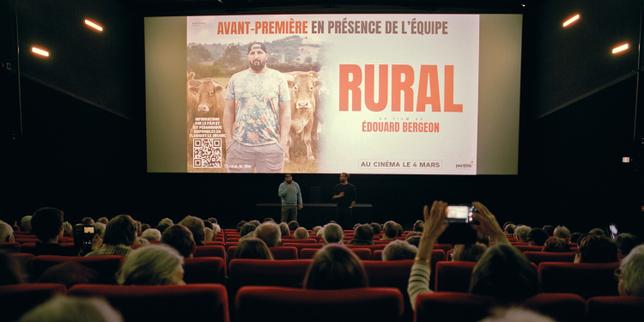
We are witnessing the emergence of a new cinematic movement that rejects the polished nostalgia of traditional pastoral films. Instead of looking at the countryside through a window from a Parisian flat, a new generation of directors is filming from inside the barn. These creators, such as Edouard Bergeon, are not merely observers; they are sons of the soil who understand that the price of milk is as much a dramatic engine as any high-stakes political thriller. His latest project, Rural, serves as the punctuation mark on a trend that has been gathering momentum for years.
The screen is no longer a mirror for the elite urbanite; it has become a megaphone for the marginalized producer.
This shift represents more than just a change in setting. It is an economic signal. While major streaming platforms chase globalized stories that could happen anywhere, French audiences are flocking to films that could happen only in a specific valley or a particular vineyard. There is a deep-seated desire for authenticity that digital algorithms have consistently failed to replicate. The success of movies like Vingt Dieux demonstrates that the local is the new universal.
The Vertical Integration of Cultural Narratives
Consider how the logistics of cinema traditionally worked: finance and distribution were clustered in urban hubs, dictating which stories mattered. This power dynamic is being disrupted by a decentralized demand. When a film like Rural tours the small towns of the Hexagon, it isn't just a marketing exercise. It is a re-establishment of the feedback loop between the artist and the subject. The audience sees their own hands, their own struggles with bureaucracy, and their own climate anxieties reflected on the big screen.
These filmmakers use cinema-verite techniques to strip away the romanticism often forced upon rural life. They show the mechanical failures, the debt cycles, and the physical toll of the labor. Yet, within this grit, they find a vitality that urban dramas often lack. By focusing on the specificities of agricultural life, they tap into broader themes of food sovereignty and the existential tension between tradition and technology. It is a form of cultural accounting, where the hidden costs of our modern food systems are finally being tallied on celluloid.
This trend parallels the rise of the farm-to-table movement in the culinary world. Just as consumers want to know the origin of their calories, audiences are beginning to demand the origin of their stories. They want narratives that are rooted in a physical reality they can recognize. This isn't about looking back; it's about looking at the foundation of our civilization through a lens that has been cleaned of metropolitan bias.
Five years from now, the distinction between 'rural' and 'mainstream' cinema will likely vanish as the global food crisis forces every viewer to confront the fragility of the land, turning the farmer into the most pivotal protagonist of the 21st century.
Chat PDF avec l'IA — Posez des questions a vos documents