







Kirsty Coventry and the Return of Genetic Testing to the Olympics
Why does this policy shift matter for global sports governance?
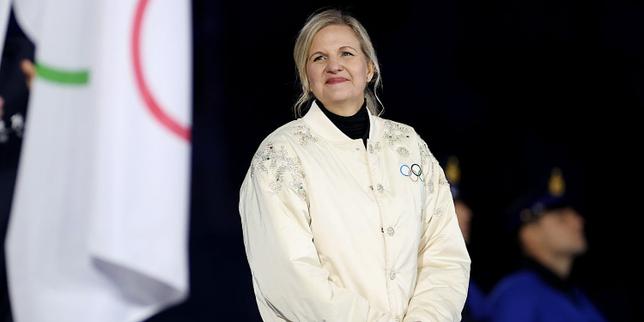
Kirsty Coventry, the newly elected President of the International Olympic Committee (IOC), has made her first major move by reinstating genetic testing for female athletes. This decision marks a sharp departure from recent inclusion policies and signals a return to biological verification as a requirement for competition in the women's category. For anyone managing complex organizations or high-stakes compliance, this serves as a case study in how leadership changes can abruptly reset operational standards.
Coventry, a 42-year-old former swimming champion from Zimbabwe, is the first woman to lead the IOC. Her administration is prioritizing the definition of biological female sex to address ongoing debates regarding fairness and physiological advantages in sports. This policy will be fully active by the Los Angeles games, forcing national committees to overhaul their screening processes immediately.
The move is not just about sports; it is about the technical and ethical implementation of verification systems. Leaders in the tech and medical sectors should watch how the IOC handles the data privacy and human rights implications of mandatory genetic screening on a global scale.
What are the technical requirements for the new tests?
The reinstatement of these tests involves moving away from self-identification toward lab-verified genetic markers. This requires a standardized protocol that can be deployed across every participating nation, regardless of their local medical infrastructure. The IOC aims to create a uniform baseline to prevent legal disputes during the games.
- Genetic Screening: Athletes must undergo chromosomal analysis to confirm XX status.
- Data Centralization: The IOC will likely need a secure, encrypted repository for biological data that complies with international privacy laws.
- Verification Speed: The system must provide rapid results to avoid disrupting training schedules or qualification rounds.
- Conflict Resolution: New legal frameworks are needed to handle cases where biological results deviate from legal identity documents.
Implementing this at scale is a massive logistical challenge. It requires reliable hardware, certified medical personnel, and a chain of custody for samples that is beyond reproach. For those building verification software or working in biotech, the IOC's requirements represent a high-pressure environment for data integrity.
How will this impact the sports industry and its stakeholders?
The return to genetic testing introduces a new layer of friction for athletes and governing bodies. While Coventry argues this ensures a level playing field, the move attracts scrutiny from human rights groups and organizations focused on gender diversity. This tension highlights the difficulty of creating binary rules in a complex biological and social environment.
Marketing and sponsorship departments are also recalibrating. Brands that have built identities around inclusive messaging may find themselves at odds with the new regulatory environment of the Olympics. Conversely, those focused on the integrity of women's sports categories may see this as a necessary step for the longevity of the brand.
From a management perspective, Coventry’s decisive action shows a preference for hard data over consensus-building. It is a reminder that in any industry, the person at the top dictates the metrics of success and the criteria for participation. If you are operating in a space where rules are currently fluid, prepare for the possibility of a data-driven reset when leadership changes.
What should you monitor next?
Watch for the specific technical guidelines the IOC releases regarding the Sry gene and other genetic markers. These documents will define the boundary of the women's category for the next decade. Also, keep an eye on how major tech partners handle the storage of this sensitive biological information, as it will likely set a precedent for other international bodies.
Createur de films IA — Script, voix et musique par l'IA