







Digital Backgrounds and Human Costs: The Shift Toward Synthetic Actors
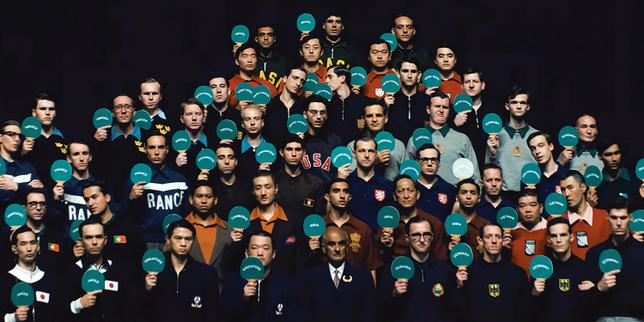
The Invisible Workforce of the Silver Screen
When you watch a sprawling battle scene or a crowded gala in a modern film, your eyes naturally gravitate toward the stars. Yet, the texture of that world is created by background actors, traditionally known as extras. These individuals provide the movement, noise, and presence that make a fictional setting feel lived-in and authentic.
A quiet shift is occurring in how these crowds are built. Instead of hiring hundreds of people for a day on set, studios are increasingly turning to digital replicas. This process involves scanning a human actor's likeness once and using software to place their digital twin into any number of future scenes without them ever needing to return to work.
The Mechanics of Digital Scanning
The transition from physical presence to data points happens in a specialized booth. High-resolution cameras capture an actor from every angle, recording their facial expressions, body proportions, and skin textures. Once this data is processed, the studio possesses a digital asset that can be manipulated by animators.
- Efficiency: Digital crowds do not require catering, wardrobe changes, or rest breaks.
- Control: Directors can change the movement of a digital extra in post-production without needing a reshoot.
- Cost: After the initial scan, the recurring expense of daily wages for background staff is significantly reduced.
For a production accountant, the math is simple and attractive. For the person being scanned, the math is more complicated. They are essentially selling the right to their physical identity for a one-time fee, often losing the ability to earn a living through physical performance in the long term.
The Logic of Automation in Art
Hollywood has always been an industry of technical progress, moving from silent films to talkies and from practical effects to computer-generated imagery. However, the current focus on artificial intelligence is different because it targets the performers themselves rather than the environments they inhabit. Studios view this as a necessary evolution to manage ballooning budgets in a competitive streaming market.
Critics of this movement argue that something vital is lost when human spontaneity is replaced by an algorithm. A human extra might react to a sudden noise or a lead actor’s performance in a way a programmer didn't anticipate. These small, unscripted moments contribute to the verisimilitude of a film—the quality of appearing true or real.
Ownership and Consent
The most significant tension lies in the concept of image rights. If a background actor is scanned for a period drama, can that same digital likeness be used five years later in a sci-fi thriller? Current labor discussions are centered on ensuring that performers maintain control over how, where, and for how long their digital selves are utilized.
Developers are building tools that can generate entirely synthetic people who have no human counterpart at all. These generative agents do not require a scan or a paycheck. While this solves the ethical dilemma of using a specific person’s face, it removes a traditional entry point for newcomers trying to break into the film industry.
The Changing Path to Stardom
Historically, background work served as a rite of passage. It was a way for aspiring actors to learn the mechanics of a film set, observe famous directors, and earn enough to maintain their union eligibility. As these roles are automated, the bottom rung of the career ladder is effectively being removed.
The industry is now forced to decide if the savings provided by automation are worth the potential loss of a talent pipeline. Digital tools offer incredible precision, but they cannot yet replicate the messy, unpredictable energy of a room full of people. Now you know that the next time you see a massive crowd on screen, you might be looking at a collection of data points rather than a group of working professionals.
Createur de films IA — Script, voix et musique par l'IA