







Defense Secretary Pete Hegseth Sparks Contention Over Pentagone Religious Address
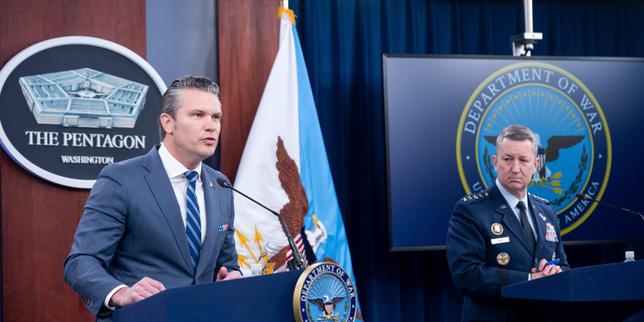
Pentagon Religious Address Sparks Controversy
U.S. Secretary of Defense Pete Hegseth is facing public scrutiny following a religious service held at the Pentagon. During the event, Hegseth cited a passage he identified as a verse from the biblical Book of Ezekiel. Observers quickly noted that the text was actually a famous monologue from Quentin Tarantino’s 1994 film, Pulp Fiction.
The incident has drawn attention due to Hegseth’s frequent reliance on religious rhetoric to frame American defense policy. Critics argue that the misattribution undermines the gravity of his position. Supporters, however, view his overt displays of faith as a necessary component of his leadership style.
Policy and Personal Conviction
Hegseth has consistently utilized scripture to justify military strategy and national security decisions. This approach marks a significant shift in how the Department of Defense communicates its objectives to the public and internal staff. The recent confusion between cinema and scripture has intensified the debate over the integration of personal belief and public office.
- The quote in question is a fictionalized version of Ezekiel 25:17 used by the character Jules Winnfield.
- Pentagon officials have not issued a formal correction regarding the source of the text.
- The address was intended to provide spiritual guidance to military personnel.
The overlap of pop culture and theology in a high-level government setting raises questions about the vetting process for official remarks. While the Secretary often uses historical and religious anecdotes, this specific error has become a point of ridicule among political opponents. It highlights the risks associated with using non-secular language in federal administration.
Implications for Defense Communications
Internal reactions within the Pentagon remain mixed as staff navigate the new cultural direction of the leadership. Hegseth’s communication strategy focuses on traditional values and a assertive national identity. This specific blunder may force a more rigorous review of future public statements to ensure accuracy and maintain institutional credibility.
Legislators are now looking at how these public stances influence international perceptions of U.S. military intent. The use of strong religious imagery can be interpreted differently by global allies and adversaries. Maintaining a balance between personal conviction and diplomatic precision remains a primary challenge for the current administration.
Watch for whether the Department of Defense implements stricter speechwriting protocols following this public gaffe.

Convertir PDF en Word — Word, Excel, PowerPoint, Image