







Brut and the Elysée: A Case Study in Distribution Monopoly
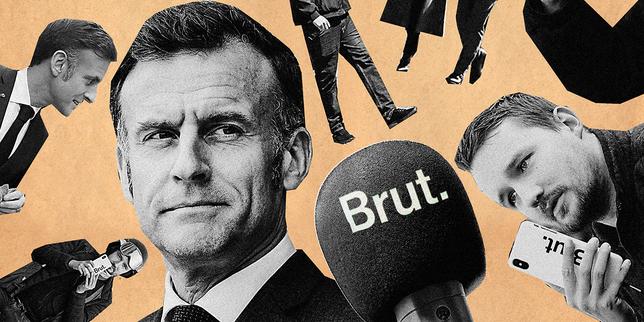
The Platform-State Alliance
The relationship between the French presidency and Brut is a masterclass in modern distribution strategy. This is not a matter of political affinity; it is a tactical response to the total collapse of legacy media reach among voters under 35. For the Elysée, Brut functions as a high-yield customer acquisition channel for political capital.
Traditional outlets like TF1 or Le Monde offer prestige but lack the velocity of distribution required to penetrate TikTok and Instagram feeds. By treating a social-first media company as its primary interlocutor, the executive branch is effectively arbitrage-trading on attention. They are buying reach at a lower friction cost than traditional press conferences allow.
The End of Intermediation
Legacy journalism relies on the gatekeeper model. Editors decide what is news, and the audience follows. Brut inverted this by building a business model around algorithmic compatibility. Their content is designed to be shared, not just read, which creates a viral loop that traditional outlets cannot replicate without destroying their own brand equity.
- Direct-to-Consumer Governance: The presidency is effectively adopting a D2C model, bypassing the critical filters of veteran political correspondents.
- Data-Driven Narratives: Brut’s feedback loop provides immediate metrics on engagement, allowing the state’s communication team to iterate on messaging in real-time.
- Demographic Capture: With millions of subscribers, Brut owns the pipe to the next generation of the French workforce, a demographic that views traditional television as an artifact.
The President wants to use new media channels to reach a younger audience.
While government officials claim there is no formal strategy, the shift represents a clear move away from the adversarial model of journalism toward a collaborative content model. In this ecosystem, the politician is the creator and the media outlet is the platform. This reduces the risk of negative framing while maximizing the potential for organic spread.
Unit Economics of Political Attention
The cost of a 20-minute sit-down with Brut is negligible compared to the Earned Media Value (EMV) it generates. When a clip goes viral on TikTok, the reach is global and persistent. A traditional broadcast interview, by contrast, has a shelf life of exactly one news cycle. The Elysée is optimizing for LTV (Lifetime Value) of a narrative.
However, this reliance creates a strategic vulnerability. By tethering state communication to a private entity's algorithm, the government becomes a tenant on rented land. If the platform's reach declines or its editorial direction shifts, the executive loses its most effective megaphone. The moat here belongs to Brut, not the state.
The Competitive Moat of Social-First Media
Brut’s advantage is its low-overhead production combined with high-intent distribution. They don't need printing presses or satellite trucks. They need a smartphone and an editor who understands the first three seconds of a video determine its success. This lean structure allows them to outmaneuver legacy giants who are burdened by fixed costs and aging audiences.
We are seeing the commoditization of the press pass. When access is granted based on follower counts and engagement rates rather than journalistic tradition, the power dynamic shifts toward the aggregators. Brut is the ultimate aggregator of French youth attention, and the Elysée is simply paying the market price for access.
My bet: I would bet on the continued decline of traditional press access as a political currency. The next decade will see a total migration of state communication toward vertical video platforms. I am betting against any legacy media brand that hasn't already figured out how to win on the lock screen. The Elysée has already made its choice.

OCR — Texte depuis image — Extraction intelligente par IA