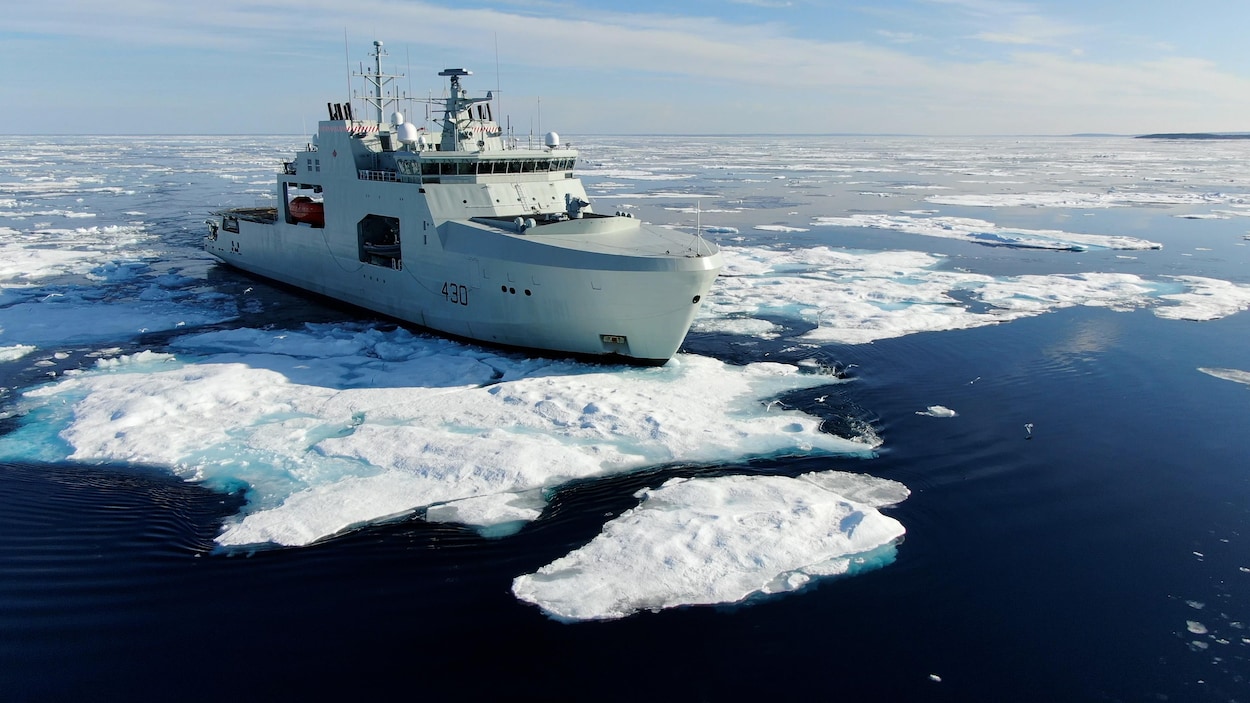
The Strategic Importance of the North
For decades, the Arctic was viewed as a frozen periphery, a place defined more by its climate than its geopolitical weight. That perspective has shifted rapidly as European security agencies issue fresh warnings about foreign interference in the region, specifically pointing toward Russian activities. This is not just a matter of disputed territory; it is a fundamental concern about the physical and digital arteries that keep the modern world functioning.
The Arctic serves as a critical corridor for undersea cables and energy pipelines. These invisible threads carry the vast majority of trans-Atlantic data and power much of Northern Europe. When security experts talk about interference, they are describing the vulnerability of these physical assets to sabotage or unauthorized surveillance. If a cable is cut in the deep North, the ripple effects can be felt in data centers thousands of miles away.
Why the Cold is Getting Hot
Climate change is physically altering the map. As ice melts, new shipping lanes open and previously inaccessible natural resources become reachable. This environmental shift has turned the Arctic into a space where commercial interests and national security collide. Companies looking to shorten transit times between Asia and Europe now see the Northern Sea Route as a viable path, but navigating these waters requires relying on infrastructure that is increasingly contested.
The Mechanics of Modern Interference
Interference in the 2100s rarely looks like a traditional invasion. Instead, it manifests as a series of "gray zone" activities—actions that fall just below the threshold of open conflict but are designed to destabilize or gather intelligence. In the Arctic, this includes:
- GPS Jamming: Frequent disruptions to satellite signals that affect commercial aviation and maritime navigation.
- Underwater Reconnaissance: The use of specialized submersibles to map the locations of communication fibers.
- Dual-Use Infrastructure: Scientific research stations or commercial ports that can be quickly repurposed for military surveillance.
European officials are particularly concerned that these tactics are being used to test the limits of international law. By operating in the remote reaches of the North, actors can conduct experiments in disruption with a lower risk of immediate detection. This creates a climate of uncertainty for startup founders in the logistics space and developers who rely on the resilience of global cloud networks.
Protecting the Digital Backbone
Securing the Arctic requires a shift in how we think about infrastructure. We can no longer assume that geography provides a natural defense. Governments are now investing in redundant systems—creating multiple paths for data and energy so that a single point of failure in the North cannot bring down a network. There is also a push for increased maritime awareness, using AI and satellite imagery to track vessel movements that deviate from standard commercial paths.
The Impact on Global Policy
The recent warnings from the European Union signify a departure from the era of "Arctic Exceptionalism," the long-held belief that the North would remain a zone of peaceful cooperation regardless of tensions elsewhere. That illusion has faded. The region is now a primary theater for hybrid threats, where digital misinformation, economic pressure, and physical posturing are used in tandem.
For the tech community and digital marketers, this geopolitical shift matters because it influences where data is stored and how it is routed. Data sovereignty laws and the physical security of server farms in Nordic countries are directly tied to the stability of the Arctic region. As companies look for cool climates to house their hardware, they must now weigh the benefits of natural cooling against the risks of being on the front lines of a geopolitical standoff.
Now you know that the Arctic is no longer just a remote wilderness; it is a vital hub of global connectivity that requires a new level of vigilance to protect the systems we use every day.