




Why National Tensions Are Moving From Borders to Corporate Servers
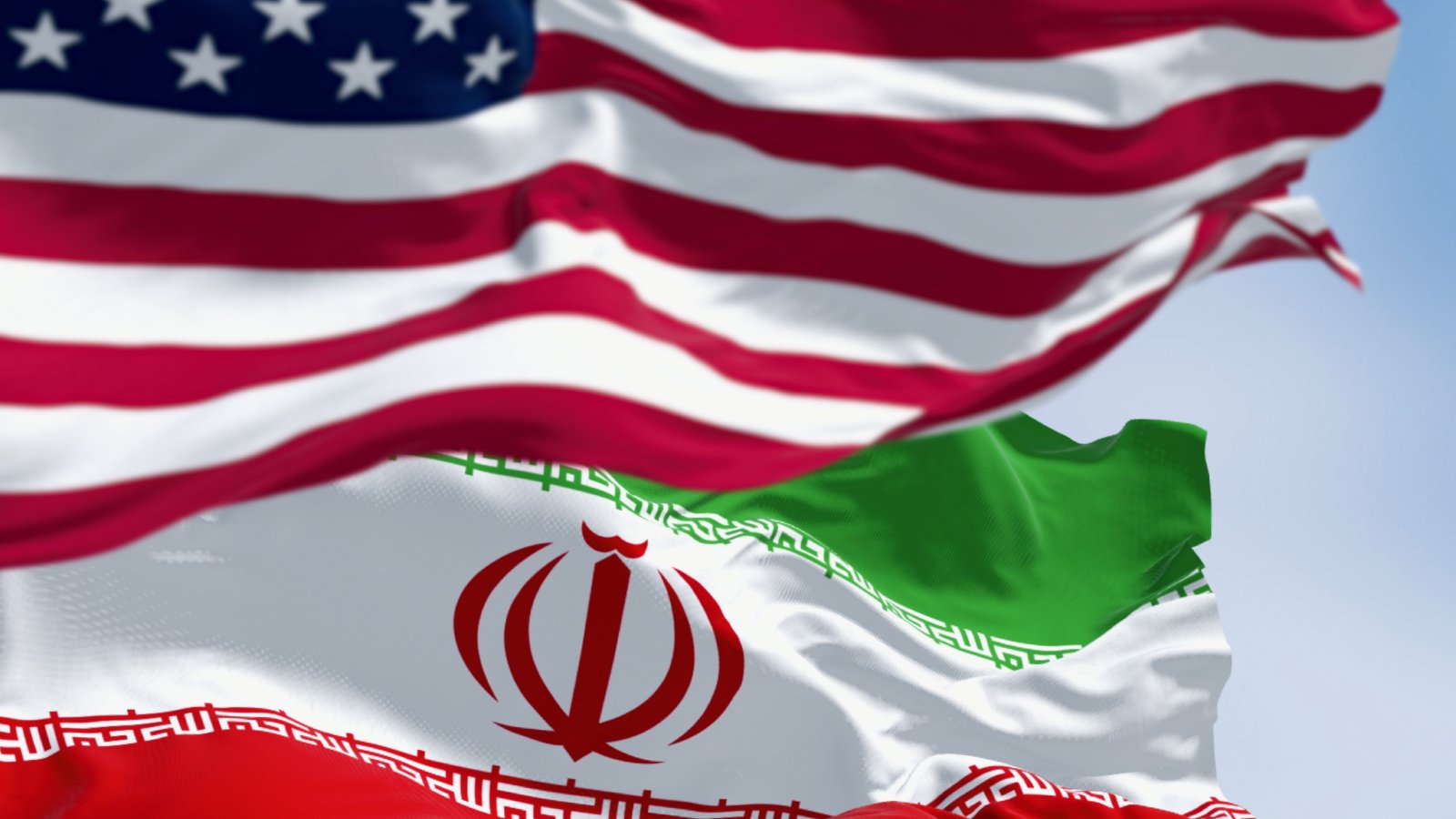
The Shift from Geopolitics to Technopolitics
For decades, international friction followed a predictable pattern involving diplomats, borders, and traditional military assets. If two nations were at odds, the tension played out in physical territory or through trade sanctions. However, a significant shift has occurred where the private sector—specifically the massive companies that build our phones, social networks, and artificial intelligence—is being treated as an extension of national power.
Recent statements from the Islamic ambitious Guard Corps (IRGC) have signaled a departure from this traditional script. By naming specific American technology firms as targets, the Iranian military is acknowledging that the modern battlefield is defined by data and infrastructure as much as by geography. This is not just about a disagreement between governments; it is an admission that the tools we use to communicate and do business are now considered strategic military assets.
Why Tech Giants are Targets
Companies like Apple, Google, and Meta are no longer viewed merely as service providers. In the eyes of foreign adversaries, they are seen as force multipliers for Western influence. This perception stems from several factors:
- Information Control: Social media platforms determine which narratives gain traction during times of unrest.
- Data Access: Technology firms hold the keys to communication logs, location data, and behavioral patterns.
- Economic Weight: The market capitalization of a single US tech leader often exceeds the entire GDP of mid-sized nations.
The Vulnerability of Global Infrastructure
When a military body threatens a company like NVIDIA or Tesla, they are targeting the physical and digital supply chains that keep the modern world running. NVIDIA produces the chips that power the artificial intelligence used in everything from medical research to defense systems. Tesla represents the future of energy storage and autonomous transport. By threatening these entities, an adversary aims to create a ripple effect that touches every part of the global economy.
This creates a complex dilemma for founders and developers. We often think of software as something that exists in a cloud—a neutral, ethereal space. In reality, that software runs on physical servers located in specific jurisdictions and is owned by corporations that must answer to national laws. When those corporations are threatened by a foreign military, the safety of the user data and the stability of the service become part of a larger security calculation.
The Risk of Collateral Damage
In this new environment, a cyberattack or a physical threat against a tech hub is not just a corporate problem. It is a risk to the digital sovereignty of every user on that platform. If a state actor decides to target a specific cloud provider to disrupt a government's operations, thousands of small businesses and startups using that same provider could find themselves caught in the middle. The interconnected nature of our digital tools means that there is no such thing as an isolated incident in the tech sector.
The New Responsibility for Tech Leaders
Security is no longer just about protecting against a lone hacker in a basement. For the companies named in recent threats, security now involves geopolitical risk assessment. This means hiring former intelligence officials, building redundant physical infrastructure across multiple continents, and preparing for state-sponsored digital interference that goes far beyond simple phishing attempts.
This pressure also forces a conversation about neutrality. Many tech leaders have long argued that they are simply neutral platforms, but as they are dragged into the center of international disputes, that position becomes harder to maintain. When a foreign military identifies your company as an adversary, the luxury of being a bystander disappears. You are forced to choose how to protect your employees, your hardware, and your customers from a level of aggression usually reserved for sovereign states.
Now you know that the boundary between a private corporation and a national interest has almost entirely faded, making your choice of digital tools a silent vote in a much larger global struggle.
Social Media Planner — LinkedIn, X, Instagram, TikTok, YouTube