




When Logistics Stop: Understanding the Real Cost of Industrial Cyberattacks
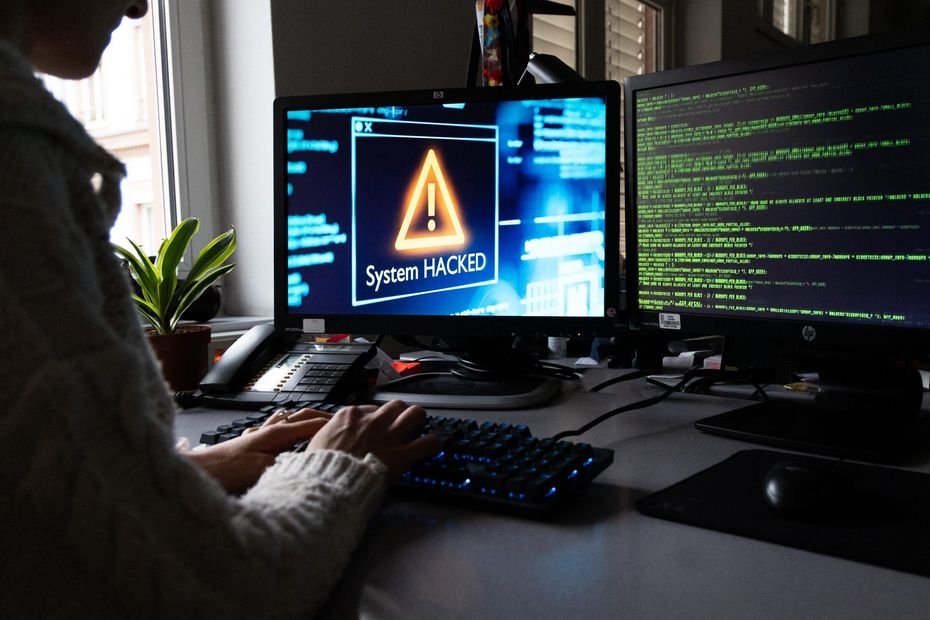
The Invisible Break in the Supply Chain
Most people think of a digital security breach as a data problem—stolen passwords, leaked emails, or compromised credit card numbers. But for a manufacturing facility like the West Pharmaceutical plant in northern France, a digital intrusion feels much more physical. When systems go dark, the assembly lines stop, the loading docks fall silent, and hundreds of employees are left waiting.
This incident highlights a growing gap between how we perceive digital risk and how that risk actually manifests in the physical world. For a factory that produces essential medical components, a few lines of malicious code can have the same impact as a natural disaster or a mechanical failure. The difference is that a mechanical failure usually stays localized, while a digital infection can spread through a global corporate network in minutes.
Why Factories Are Increasingly Vulnerable
Modern manufacturing relies on a delicate handshake between Information Technology (IT) and Operational Technology (OT). IT is the software we use to send emails and manage spreadsheets, while OT is the hardware and software that controls valves, robotic arms, and conveyors. In the past, these two worlds were separate, but today they are deeply interconnected to improve efficiency.
- Increased Connectivity: Every sensor added to a machine to track performance is a potential entry point for unauthorized access.
- Legacy Systems: Many industrial machines were built to last thirty years and were never designed to be connected to the public internet.
- Interdependence: A breach in the administrative office can lead to a precautionary shutdown of the entire production floor to prevent the spread of malware.
The shutdown at the Nouvion-en-Thiérache site is a textbook example of this vulnerability. When a company detects an anomaly, the safest move is often to pull the plug on everything. This containment strategy protects the wider network but results in immediate, massive losses in productivity and revenue.
The Cultural Gap in Security Awareness
Security experts often point out that while technical defenses are necessary, the biggest hurdle is cultural. Many organizations still treat digital security as a technical cost center rather than a core business continuity requirement. In many regions, including France, there is a lingering sense that these incidents only happen to tech companies or financial institutions, rather than traditional industrial players.
This mindset leads to a lack of preparation for the recovery phase. It is one thing to have a firewall; it is another entirely to have a practiced plan for how to restart a factory after its entire digital nervous system has been wiped or encrypted. Recovery is not just about deleting a virus; it involves verifying the integrity of every single machine on the floor before production can safely resume.
The Ripple Effect on Healthcare
When a pharmaceutical supplier stops producing, the impact is felt far beyond the factory gates. These facilities often produce specialized components—like stoppers for vials or plungers for syringes—that have few alternative sources. A week of downtime can lead to months of delays in the medical supply chain, affecting hospitals and patients who have no idea a digital breach occurred.
By treating these events as isolated IT glitches, we miss the larger picture. Every industrial site is now a digital site. Strengthening the defense of these plants requires a shift in how we value digital maintenance, moving it from a back-office task to a frontline priority for safety and reliability.
Now you know that a cyberattack on a factory is not just about lost data; it is a physical stoppage that tests the resilience of our global supply chains and requires a total shift in how we define industrial safety.

AI Video Creator — Veo 3, Sora, Kling, Runway