




When Fiction Bleeds Into Reality: Eric Kripke on the Unsettling Accuracy of The Boys
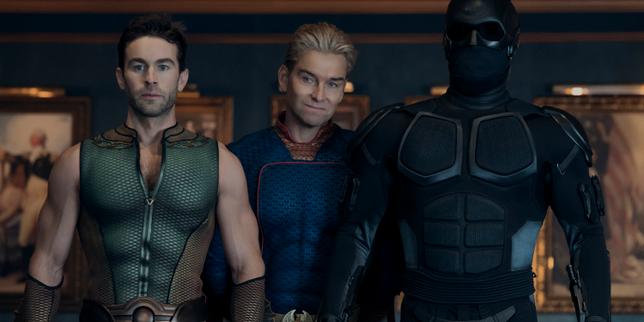
The Script That Predicted the Storm
Eric Kripke sat in a darkened writer’s room years ago, sketching out a world where the heroes were the villains and the marketing departments held more power than the government. He was trying to push the limits of satire, creating characters so absurdly ego-driven that they felt like caricatures. But as he prepares to release the fifth and final season of The Boys on Prime Video, the laughter has taken on a sharper, more uncomfortable edge.
The creator of the most cynical superhero show on television realizes that his scripts aren’t just entertainment anymore. They have become something closer to a historical record written in advance. What started as a dark comedy about caped crusaders has morphed into a terrifyingly accurate reflection of the American political psyche.
Kripke watches the news and sees his own plot points playing out in real-time. The spectacle, the manufactured outrage, and the cults of personality that define his fictional universe have migrated from the screen to the streets. It is a strange predicament for a writer to find that his wildest exaggerations were actually understatements.
The Mirror in the Mask
The character of Homelander was always meant to be a warning. He is the physical embodiment of unchecked power wrapped in a flag, a man who demands love while harboring a deep-seated contempt for the very people he claims to protect. In the early seasons, his antics felt like a fever dream of what might happen if a narcissist were given the powers of a god.
Now, Kripke notes with a touch of bitterness that the line between his scripts and the daily headlines has essentially vanished. The populist fervor and the fragmentation of truth that drive the plot of The Boys are no longer creative flourishes. They are the oxygen that modern society breathes.
The absurdity we wrote into the show was supposed to be a safety valve, but lately, the valve feels stuck.
This overlap has forced the production team to constantly recalibrate. When reality keeps pace with your darkest parodies, how do you stay ahead of the curve? The writers often find themselves discarding ideas because the real world beat them to the punch, making their fictional chaos look tame by comparison.
Building the Final Act
Closing the book on this saga isn't just about finishing a television show for Kripke. It is about documenting the end of an era. The transition toward the fifth season feels heavy, weighted down by the realization that the audience isn't just watching a story about supes; they are watching a story about themselves.
He approaches the finale with the precision of a surgeon and the weariness of a prophet who wishes he had been wrong. The goal is no longer just to shock the viewer with gore or crude humor. Instead, the focus has shifted toward the human cost of living in a world where the truth is whatever the person with the loudest microphone says it is.
Developers and creators often talk about the feedback loop between technology and society, but The Boys proves that culture has its own feedback loop. We build narratives to explain our world, and then we begin to inhabit those narratives until the fiction becomes the foundation.
As the final episodes loom, the question isn't whether the characters will survive the looming conflict. It is whether the audience can look at the screen and still see the difference between the satire and the evening news. Kripke stays up at night wondering if the story he told was a map or a warning, and if anyone was actually looking at the signs.
Faceless Video Creator — Viral shorts without showing your face