




When Culture Becomes Campaign: The Rio Carnival Political Conflict
Why does a parade matter to your business or platform?
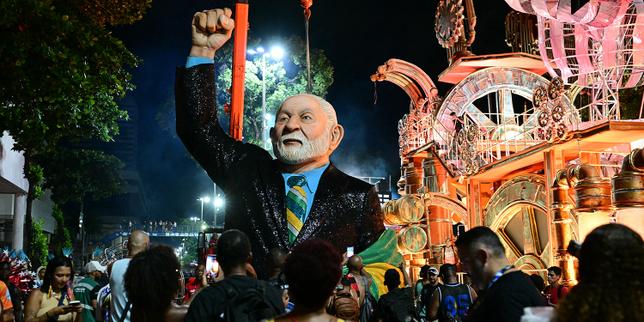
Cultural events are rarely just about entertainment; they are massive distribution channels for influence. When a major samba school used the Rio Carnival to honor President Lula, it didn't just entertain the crowd—it triggered a legal and political debate about where public art ends and political campaigning begins. For developers and founders building social or media platforms, this is a case study in how organic content can be viewed as tactical propaganda.
The opposition party is now pushing back, claiming the event was a calculated move to bypass election laws. If you manage a community or a content pipeline, you need to understand the thin line between user expression and coordinated messaging. This incident shows that even the most traditional cultural spaces are now battlegrounds for narrative control.
How did a samba school end up in the middle of an election?
The controversy centers on timing and visibility. In Brazil, official campaigning has strict start dates to ensure a level playing field. By integrating political messaging into a world-famous parade six months early, the president's supporters essentially gained millions of dollars in free, high-impact airtime.
- Visibility: The parade reaches a global audience, far exceeding the reach of standard political ads.
- Emotional Connection: By wrapping a political message in music and dance, the school bypasses the typical skepticism people have toward political speeches.
- Legal Gray Areas: Brazilian law struggles to define when a cultural tribute becomes an illegal campaign contribution.
Opposition leaders argue this isn't just art; it is an instrumentalization of public space. They are looking for ways to penalize what they see as a breach of democratic norms. For those of us building digital products, this mirrors the struggle of moderating "organic" trends that are actually funded by political interests.
What are the risks of mixing brand and politics?
While this event took place on the streets of Rio, the fallout is happening on social media and in the courts. Founders should take note of the polarization that follows when a neutral platform or event takes a hard stance. The backlash from the opposition demonstrates that half your audience will likely react with hostility if they perceive a bias in your output.
If your product involves user-generated content or community management, you should prepare for similar scenarios. When a high-profile user or a specific group uses your infrastructure to promote a political figure under the guise of creativity or culture, you will be the one caught in the crossfire of regulatory scrutiny.
- Audit your platform guidelines for political neutrality during election cycles.
- Identify the difference between individual expression and coordinated influence operations.
- Plan for the legal overhead that comes with hosting controversial cultural content.
Watch for how the Brazilian courts handle this specific case over the next few months. The ruling will likely set a precedent for how soft power and cultural influence are regulated in the digital age. If the court decides this was a campaign violation, it will change how influencers and creators interact with political figures globally.

OCR — Text from Image — Smart AI extraction