




Unpacking the New Wave of Syrian Television: When History Becomes the Script
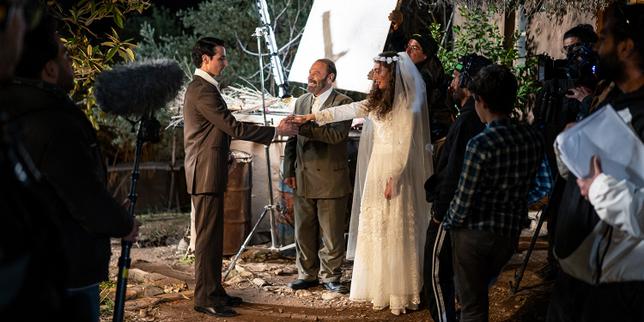
The Shift from Subtle Hints to Direct History
For decades, television creators in Syria operated under a silent agreement. They could tell stories about family disputes, ancient history, or neighborhood gossip, but the political mechanics of the ruling Al-Assad family remained strictly off-limits. If writers wanted to critique the state, they had to hide their messages behind thick layers of allegory or set their stories in the distant Ottoman era.
This year, that boundary is moving. As the Ramadan viewing season approaches—the period when viewership peaks across the Arabic-speaking world—a new collection of series is taking a different path. Instead of avoiding the political reality of the last fifty years, these shows are placing the reigns of Hafez and Bashar Al-Assad directly in the background of their narratives.
This change is significant because television is the primary medium for cultural conversation in the Middle East. When a show decides to tackle the specific atmosphere of a police state or the social pressures of a particular decade, it isn't just entertainment; it is an attempt to document a lived reality that was previously erased from the screen.
Why the Setting Matters
The choice to set stories during the Assad eras allows writers to explore how political structures filter down into everyday life. It is the difference between a character being sad and a character being afraid of a specific government office. By using the actual history of the country as a backdrop, these creators are adding a layer of authenticity that was previously missing from regional dramas.
- Historical Context: Shows are now identifying specific years and events rather than using vague timeframes.
- Social Realism: Domestic struggles are being linked to the economic and security policies of the state.
- Visual Cues: Set designers are recreating the specific aesthetics of 1980s and 90s Damascus to evoke collective memory.
By moving the setting into the recent past, these series act as a mirror. They allow audiences to process the collective trauma and complex social shifts of the previous decades. For a founder or a marketer, this shift highlights a broader trend: the increasing demand for high-stakes, realistic storytelling that honors the audience's intelligence and memory.
The Logistics of On-Screen Memory
Creating these shows involves a delicate balance of creative bravery and practical caution. Producers must decide how much they can show without triggering the censors who still guard the borders of Syrian media. This has led to a sophisticated style of writing where the atmosphere of the regime is felt through the characters' choices and anxieties rather than through explicit political speeches.
Technical improvements in production have also played a role. Higher budgets and better distribution through streaming platforms mean that Syrian directors no longer rely solely on state-controlled channels to reach their audience. This financial independence provides a small but vital space for more complex narratives to survive and thrive.
The Role of Ramadan Programming
In the Middle East, the month of Ramadan functions like the Super Bowl or the release of a blockbuster film series, but stretched over thirty days. It is the time when families gather and social media is dominated by discussions of character arcs and plot twists. By launching these historically grounded shows now, creators ensure the widest possible impact for their work.
This timing turns every episode into a potential talking point for millions of viewers. When a show depicts the specific tensions of the 1980s, it triggers conversations between generations. A father might explain to his son that the fear depicted on screen was exactly what he felt at that age, bridging a gap that years of silence had created.
Now you know that Syrian television is undergoing a fundamental change in how it addresses its own past. By moving the Al-Assad years from a forbidden topic to a narrative setting, these creators are reclaiming the right to tell their own history, one episode at a time.

OCR — Text from Image — Smart AI extraction