




Thirty-Four Million Patients and the Ghost in the Medical Records
The Marketplace of Digital Identities
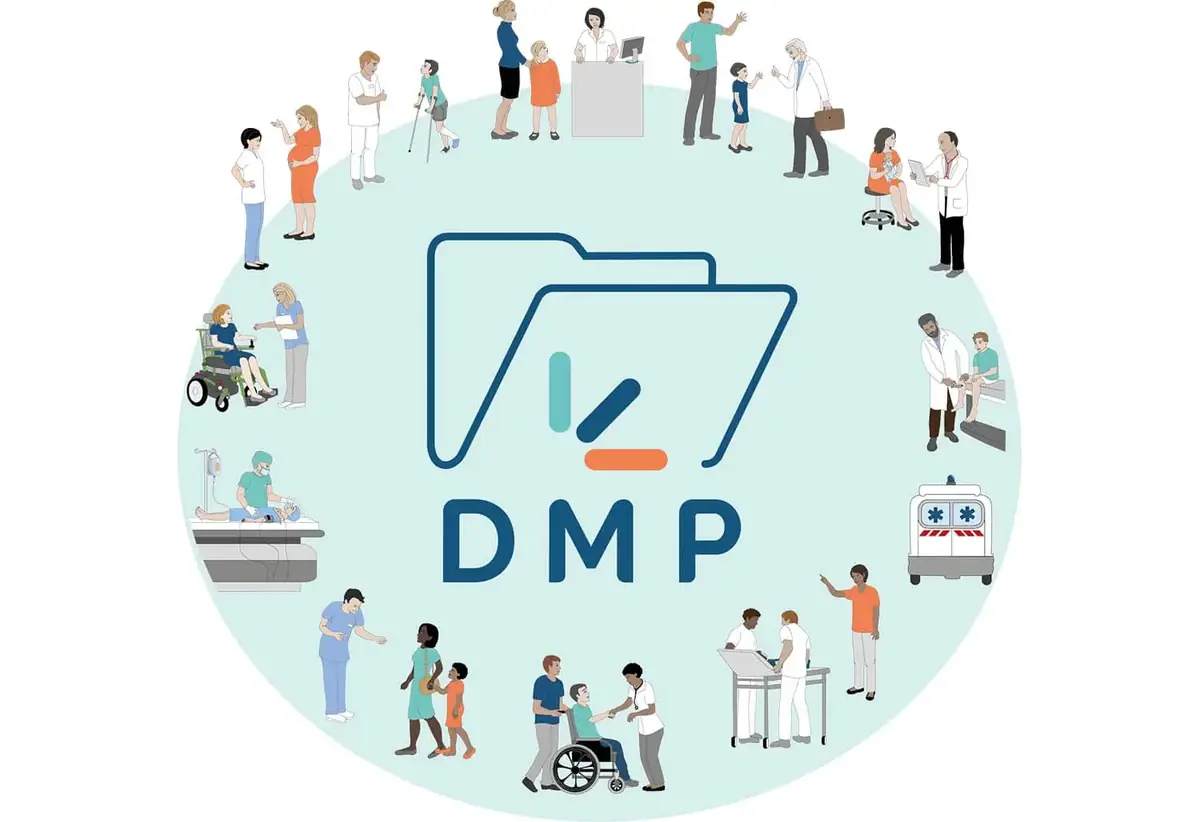
A quiet Tuesday on a notorious dark web forum turned into a frantic morning for French cybersecurity officials when a user known only by a cryptic pseudonym posted a new listing. The price wasn't listed, but the inventory was specific: 34 million medical files belonging to French citizens. This wasn't just a list of names and emails, but supposedly the crown jewels of personal privacy—the Dossier Medical Partagé (DMP).
For the average person, these files are a digital shoebox of their most intimate history, containing every prescription, surgery, and diagnosis from the last decade. Within hours of the post, screenshots began circulating, showing what appeared to be genuine database structures. The digital underground hummed with the possibility of a breach so large it would touch nearly half the country's population.
Assurance Maladie, the entity responsible for safeguarding this data, found itself in the uncomfortable position of having to prove a negative. They weren't looking for a missing server or a broken door; they were looking for a ghost. Their initial investigations suggest that while the data being peddled is real, it might not have come from where the hacker claims it did. It is a classic shell game of the digital age.
The Anatomy of a Denial
Security teams at the national health agency spent the following forty-eight hours scouring their access logs. They were looking for the digital footprints that a massive extraction of 34 million records would inevitably leave behind. Moving that much data is like trying to sneak a grand piano out of a library; someone usually hears a floorboard creak. Their verdict was swift: their central systems remained uncompromised.
This creates a puzzling gap between the hacker’s boast and the agency’s telemetry. If the data didn't come from the central vault, where did it originate? The theory currently gaining traction involves the sprawling web of third-party providers. Doctors, pharmacies, and local laboratories all connect to the central system like spokes on a wheel. Each connection is a potential point of failure, a soft spot where a credential could be phished or a small database could be scraped.
The digital ghost of a surgery from 2018 is worth more to a scammer than a stolen credit card because you can never change your medical history.
When a hacker claims a high-profile target, they are often performing a bit of brand management. By saying the data comes from the national health service, they inflate the value of the stolen goods. It sounds much more impressive to a buyer than admitting they pieced together the information from a dozen smaller, less secure regional platforms or vintage leaks that have been repackaged for a new audience.
The Long Shadow of the Data Breach
Even if the central fortress held firm, the psychological toll on the public is measurable. Trust is a non-renewable resource in the world of digital health. For startup founders building the next generation of health-tech apps, this event serves as a stark reminder that the public does not distinguish between a primary breach and a secondary leak. To the person whose blood type and medication list are being traded for Bitcoin, the technical details are irrelevant.
The agency is now doubling down on their messaging, urging health professionals to reset credentials and remain vigilant against social engineering. It is a game of cat and mouse where the mouse only needs to succeed once, while the cat must be perfect every single second of the day. The focus has shifted from simple firewall protection to more complex behavioral analytics, trying to spot a legitimate user doing something slightly out of character.
As the forum post eventually gets buried by new advertisements for stolen credentials and exploit kits, the 34 million people represented in that database are left in a state of digital limbo. They may never know for certain if their private medical history was part of that specific haul or if it is sitting in another folder, waiting for the right buyer. We are living in a time where our pasts are increasingly public, whether we consented to it or not.
Late at night, in a small apartment in Lyon or a farmhouse in Brittany, a patient might wonder if the notification they just received is a legitimate update from their doctor or a carefully crafted hook from someone who bought their file for the price of a cup of coffee. That uncertainty is the real data leak.
Faceless Video Creator — Viral shorts without showing your face