




The Whispering Room: Inside France’s Flirtation with Pegasus
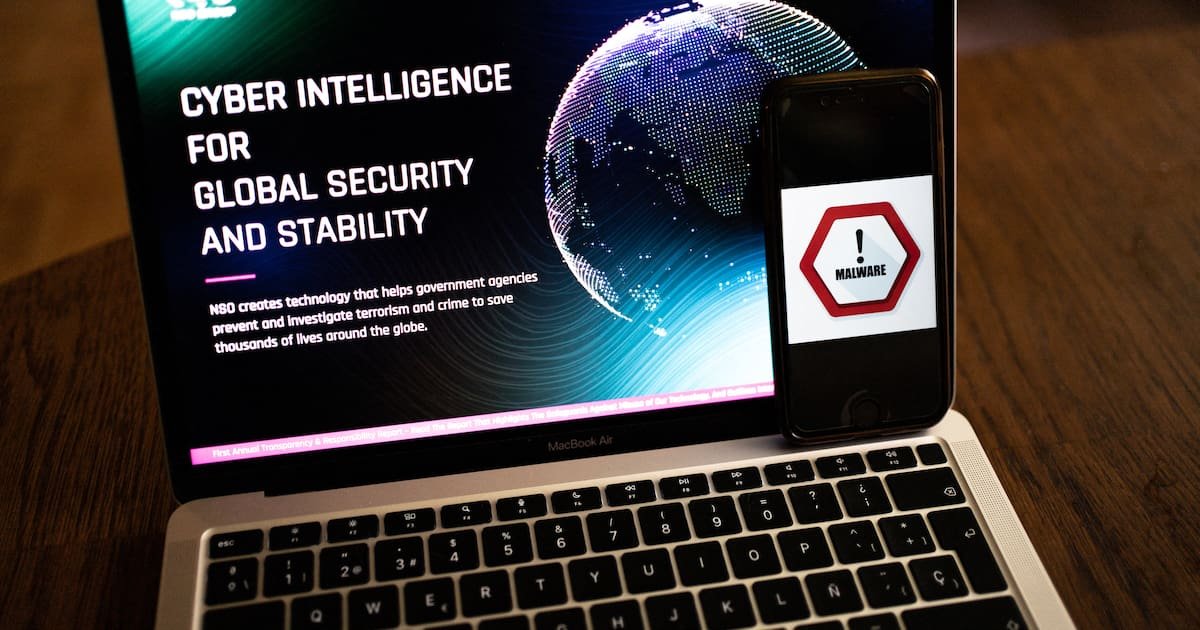
In the quiet corridors of the French Ministry of the Interior, a small group of intelligence officials gathered around a sleek laptop screen. On the display, a demo was running that felt closer to science fiction than statecraft. With a single click, a remote smartphone in another room was fully compromised, its camera secretly turning on, its encrypted messages laid bare. This was not a hacker group's basement; it was an official pitch meeting.
For years, the official stance from Paris regarding highly invasive cyber-weapons was one of cautious distance. When news broke that heads of state, including President Emmanuel Macron, had their phones targeted by foreign clients of the Israeli firm NSO Group, the public reaction was one of outrage. Yet, beneath the surface of righteous indignation, a different story was unfolding in the shadows of the French deep state.
Newly unearthed documents and testimonies reveal that French authorities did not just fear Pegasus. They actively wanted to own it.
The Secret Negotiations in Tel Aviv
The courtship began long before the public scandals hit the headlines. Representatives from France's domestic intelligence agency, the DGSI, made quiet trips to Israel, seeking a tool that could bypass the increasingly sophisticated encryption of modern messaging apps. Standard wiretaps were growing useless against Signal and WhatsApp. NSO Group promised a skeleton key.
French negotiators were captivated by the software's "zero-click" capability. Unlike traditional phishing attempts that require a target to click a suspicious link, Pegasus could slip into a phone through a silent, invisible vulnerability in common apps. The target would never know their pocket companion had turned into a spy.
The line between national security and state-sponsored voyeurism blurred the moment Paris realized how easily the lock could be picked.
These meetings reached an advanced stage. Contracts were drafted, and technical specifications were shared. The French state was ready to pay millions of euros to secure a license, justifying the purchase under the banner of counter-terrorism and serious crime prevention. The allure of total digital omniscience proved difficult for the security apparatus to resist.
The Double-Edged Sword
The irony of the situation caught up with French officials in the summer of 2021. A consortium of journalists exposed how Pegasus was being used globally to target activists, journalists, and politicians. Among the leaked list of targets were top French ministers and President Macron himself, allegedly targeted by Moroccan intelligence services.
Suddenly, the very tool the DGSI was trying to buy was being used against the highest levels of the French government. The revelation triggered an internal crisis. How could France purchase software from a company whose clients were actively spying on French diplomats?
The deal was quietly shelfed, frozen in a diplomatic deep freeze. Yet, the appetite for such intrusive capabilities did not disappear. Inside the French tech sector, the push shifted from buying foreign tools to developing domestic alternatives, sparking a quiet arms race among local cybersecurity startups aiming to replicate NSO's success without the political baggage.
A Question of Digital Sovereignty
This revelation highlights a deeper dilemma facing modern democracies. To hunt criminals who communicate in the dark corners of encrypted networks, police forces argue they need the same tools used by hackers. But once these tools are normalized, the boundary of privacy ceases to exist for everyone.
France's near-acquisition of Pegasus shows that the temptation of total surveillance is not limited to authoritarian regimes. It is a quiet urge felt by democratic states as well, hidden behind closed doors and nondisclosure agreements.
As the French government continues to invest heavily in its digital defense forces, the memory of those secret demos remains. It leaves us with a lingering question: when the next powerful exploit hits the gray market, will Paris be able to look away a second time?
Faceless Video Creator — Viral shorts without showing your face