




The USB Cable Paranoia is Finally Justified
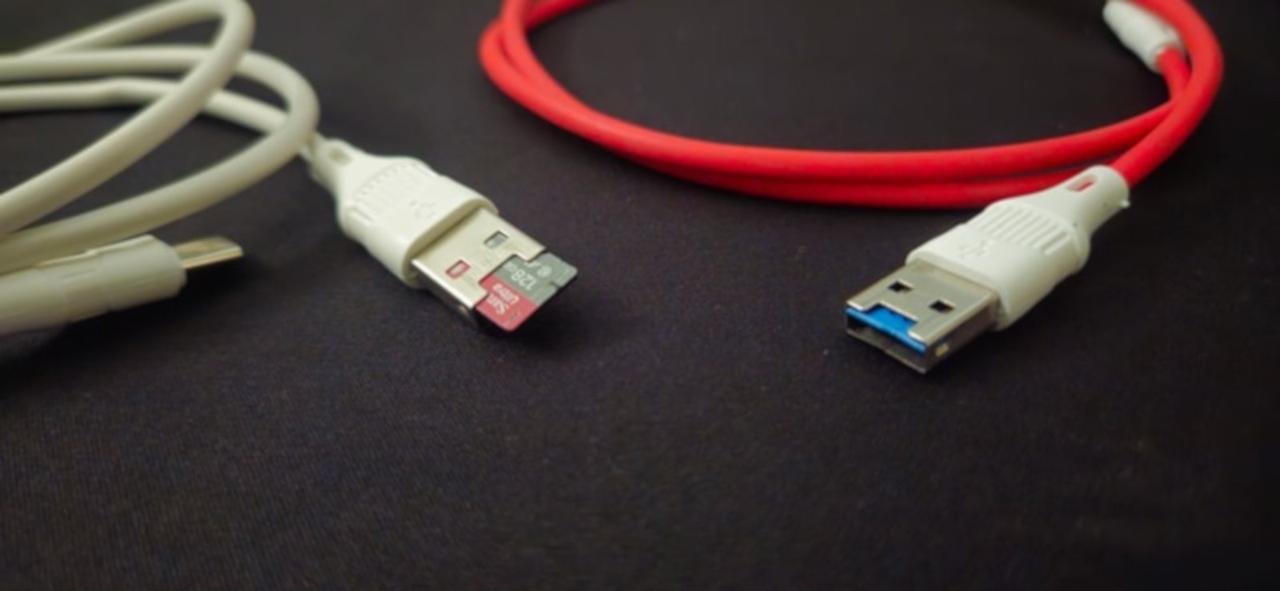
The Trojan Horse in Your Charging Port
Security professionals have spent years warning us about the dangers of public USB charging stations, often to the sound of collective eye-rolling. Most users assume that a cable is just a pipe for electrons, a passive bit of copper and plastic that lacks the intelligence to do anything malicious. They are wrong.
The latest generation of compromised cables—often called O.MG cables—proves that the most effective attack vector is the one you already trust. These devices look, feel, and function exactly like the official white cables you get with an iPhone or a Pixel, but they contain a miniaturized web server and Wi-Fi radio hidden inside the connector casing. It is a masterclass in hardware deception.
Once you plug one of these into your laptop, it doesn't just charge your battery; it registers itself as a Human Interface Device (HID). To your operating system, this isn't a cable anymore—it is a keyboard. And a keyboard that can type 1,000 words per minute with perfect accuracy is a terrifying prospect for any system administrator.
Hardware Implants Move to the Mass Market
In the past, this kind of sophisticated hardware interference was the exclusive domain of state-sponsored intelligence agencies with massive budgets. Now, anyone with a credit card can buy a cable that executes pre-programmed scripts to exfiltrate data or install backdoors. The barrier to entry for physical hardware attacks hasn't just been lowered; it has been obliterated.
The primary threat isn't just data theft, but the ability of the attacker to gain a persistent foothold on a machine that is otherwise secured against network-based attacks.
This observation highlights the fundamental flaw in our current security postures. We spend millions on firewalls and endpoint detection, yet we leave the physical ports of our most sensitive machines wide open to unauthenticated hardware peripherals. If your computer thinks the attacker is sitting in the chair typing on a physical keyboard, your software security stack is essentially useless.
The malicious payload within these cables can be triggered remotely via a smartphone app. An attacker could be sitting across the street, waiting for you to connect your device and look away for a coffee refill before they initiate a script that wipes your drive or copies your browser cookies. It is silent, fast, and leaves almost no forensic trace on the hardware itself.
The Myth of the Smart User
We like to believe that we are too savvy to fall for these traps, but the physical fidelity of these counterfeit cables is staggering. Even a trained eye would struggle to distinguish the malicious version from a standard OEM peripheral without a microscope or a specialized cable tester. Trusting the aesthetic of hardware is a luxury we can no longer afford.
Users are conditioned to view cables as commodities, leading to a dangerous lack of scrutiny regarding their provenance.
This complacency is exactly what attackers are banking on. While we have been trained to check for the lock icon in our browser or to avoid clicking suspicious email links, we still treat the physical world with a naive sense of security. We assume that if a device fits in the port, it belongs there.
The reality is that every USB port is a potential entry point for a malicious actor. The solution isn't just better software; it's a fundamental change in how we handle hardware. Using 'USB condoms'—adapters that physically disconnect the data pins while allowing power to flow—is no longer a niche move for the paranoid. It is a mandatory hygiene requirement for anyone traveling with a laptop.
We are entering an era where the hardware supply chain is the new frontline. If you didn't buy the cable directly from a reputable manufacturer, you should treat it with the same suspicion as a random executable downloaded from a dark web forum. The era of the 'dumb' cable is over, and the sooner we accept that, the safer our data will be.
AI Film Maker — Script, voice & music by AI