




The Syntax of Sabotage: When Large Language Models Learn the Language of War
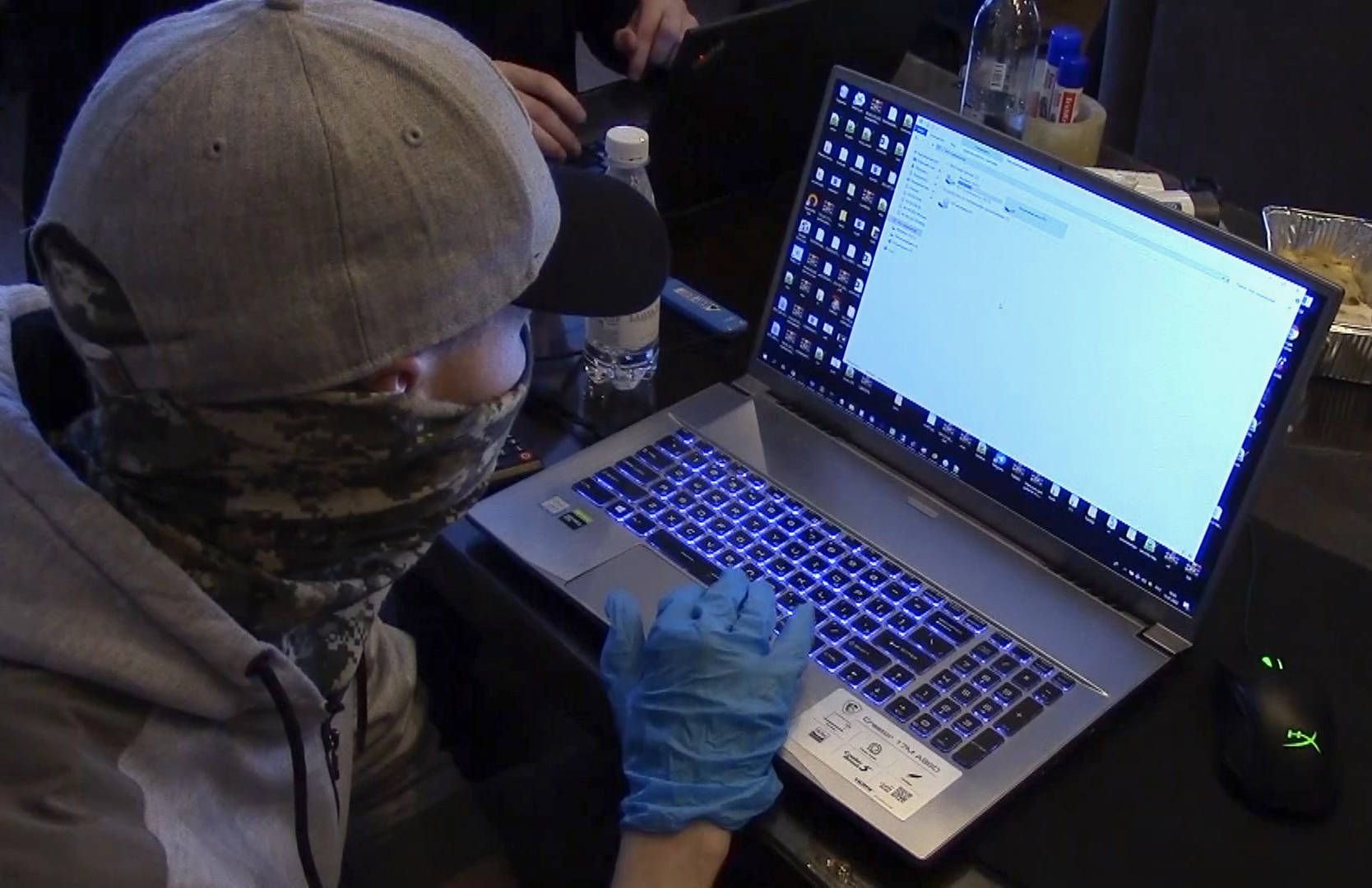
When a security researcher in Northern Virginia first noticed the subtle shifts in the phishing emails hitting his server, he didn't see the usual clunky grammar of a foreign operative. Instead, he saw a peculiar fluidity, a rhythmic precision that felt almost too polished to be human. It was as if the sender had traded a blunt instrument for a scalpel, one forged not in a basement in Tehran, but in the silicon corridors of California.
The Ghost in the Machine
For months, intelligence reports have quietly tracked a migration of intent. Operators linked to Iranian interests have begun treating Large Language Models like ChatGPT and Gemini not as chatbots, but as strategic advisors. They are asking these systems to debug malicious code, to draft convincing deception campaigns, and to translate the vernacular of their targets into something indistinguishable from a local colleague's greeting.
This is the quiet automation of social engineering. What happens when the machine knows us better than the attacker does? The barrier to entry for digital subversion is no longer a mastery of C++ or a lifetime of cultural immersion. Now, it is simply a matter of the right prompt, delivered with the patience of a craftsman.
The most dangerous part of this evolution isn't the code itself; it's the removal of the human fingerprint from the deception, making every lie look like a standard corporate memo.
Security firms are observing a strange irony where the very tools designed to help us write better emails or organize our lives are being repurposed to dismantle our digital defenses. These Iranian groups are not just looking for vulnerabilities in software; they are looking for vulnerabilities in our perception. They use the models to polish their personas until the friction of suspicion disappears entirely.
The Geography of Logic
In the high-stakes friction between the United States, Israel, and Iran, the battlefield has moved into the latent space of neural networks. By feeding these models the raw materials of previous successful breaches, attackers are essentially asking the AI to hallucinate new paths into protected networks. It is a form of intellectual alchemy, turning public documentation and open-source code into a roadmap for infiltration.
The tech companies providing these services find themselves in a moral and technical bind. While they spend billions to build safeguards, the nature of language is fluid. A request to fix a bug in a legitimate application looks remarkably similar to a request to optimize a piece of malware. The software cannot yet distinguish the intent of the hand that types the query.
Developers are now racing to build detectors that can spot the specific stylistic tics of AI-generated malicious scripts. Yet, even as they do, the models continue to evolve. Every interaction between an attacker and a chatbot becomes a training session, a subtle refinement of the art of the breach.
As we move deeper into this decade, the distinction between a helpful assistant and a digital phantom will likely vanish. We are entering a period where our trust is anchored to the texture of a sentence or the logic of a file structure, both of which are now easily synthesized. In a small office somewhere, a developer stares at a screen, wondering if the colleague asking for a password reset is human, or just a very well-trained reflection of our own ingenuity.

AI Image Generator — GPT Image, Grok, Flux