




The Silent Co-Traveler: How Expense Apps Balance Our Summer Vacation Anxiety
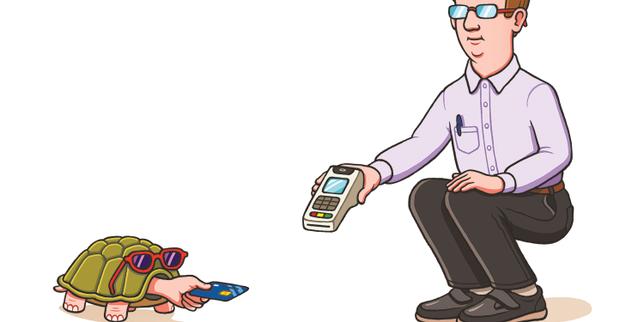
Lucas stared at the seafood platter, calculating the exact cost of three grilled prawns. Around the table in Marseille, five of his closest friends were laughing, their skin bronzed by the Mediterranean sun. But as the waiter approached with a leather folder containing a slip of thermal paper, the laughter faded.
Someone cleared their throat. Another took an unusually long sip of Aperol. The classic holiday standoff was about to begin.
Then, Sarah reached for her phone. "Don't worry about it," she said, tapping a purple icon. "I'll put it on Tricount. We can settle up in September."
Instantly, the collective shoulders at the table dropped three inches. The sun felt warm again. The crisis of dividing a €240 bill among people who had consumed varying amounts of alcohol, shellfish, and tap water was deferred to a colder, darker month.
This is the modern summer truce, mediated not by diplomatic treaties, but by software. For a generation of travelers, the true luxury of vacation is no longer the five-star hotel or the private beach chair. It is the ability to pretend, if only for ten days, that money does not exist.
The Algorithms of Social Peace
For decades, group travel was an exercise in mental gymnastics and scribbled notebooks. The designated banker of the trip carried a crumpled envelope of cash, tracking every cup of coffee and toll booth fee. It was tedious, prone to errors, and inevitably led to quiet resentment on the car ride home.
Now, an array of digital ledgers has replaced the crumpled notebook. Apps like Splitwise, Tricount, and Lydia have become the silent co-travelers on every group excursion. They compile, divide, and balance our shared debts with mathematical precision, allowing us to keep our hands clean of financial awkwardness.
These platforms do not simply calculate splits; they act as psychological shock absorbers. By shifting the math from the dinner table to a cloud database, they preserve the fragile illusion of communal sharing.
The algorithm acts as a digital buffer, absorbing the social friction of our financial differences so we can focus on enjoying the sunset.
Behind the clean interfaces of these apps lies a sophisticated understanding of human relationships. Developers designed these systems to solve a coordination problem that has plagued human tribes since the invention of currency.
It is a masterclass in friction reduction. By making it incredibly easy to log an expense, the software removes the immediate pain of parting with cash.
The Psychology of the Deferred Ledger
Behavioral scientists have long studied what they call the pain of paying. When we hand over physical cash or swipe a debit card, a specific region of our brain associated with physical discomfort lights up. We feel the loss instantly.
By separating the consumption of the holiday from the actual economic sacrifice, these apps perform a kind of neuro-financial magic trick. You get the cold beer on the beach today; the actual debit to your bank account happens weeks later, when you are back at your desk.
We happily trade the quiet anxiety of future debt for the immediate warmth of social harmony. It is a social contract built on a collective agreement to ignore reality.
But the software does more than just delay the pain. It also redistributes it. In a traditional split, the wealthier member of the group might feel awkward suggesting an even split, while the more budget-conscious traveler suffers in silence.
With a shared digital ledger, the algorithm becomes the impartial referee. It is the app that demands the money, not your friend who ordered the expensive sea bass.
This shift has allowed younger travelers, who are often facing historically high living costs, to continue traveling together despite vastly different income levels. The software handles the equity issue in the background.
A Cold Autumn Reckoning
When September arrives, the sun-kissed memories begin to fade, replaced by the glare of office monitors and the return of utility bills. This is when the automated referee blows its whistle.
Suddenly, the notifications start arriving. Sarah updated the trip. Lucas requested €142.50.
The transition from the fluid generosity of August to the rigid mathematics of September can be jarring. In the warmth of the summer, "I'll get the next one" felt like a binding promise. In the chill of autumn, the app demands hard data.
Developers who build these financial tools are acutely aware of this post-holiday comedown. Some apps have experimented with gentle reminders, while others allow users to settle balances directly with a single tap, minimizing the friction of the repayment process.
They understand that the tech is not just managing numbers; it is managing human sentiment. The goal is to make the repayment as painless as the borrowing, though that remains a difficult mountain to climb.
Ultimately, these digital ledgers reflect a broader trend in how we interact with our peers. We rely on software to negotiate the boundaries that we are too polite, or too cowardly, to address face-to-face.
As the ferry pulled away from the dock, Lucas watched the shoreline shrink. His phone buzzed in his pocket with a notification from Tricount. He decided not to open it. For now, the sun was still shining, and September was still a lifetime away.
Social Media Planner — LinkedIn, X, Instagram, TikTok, YouTube