




The Scrapling Escalation: Why Cloudflare’s Moat is Cracking Under OpenClaw
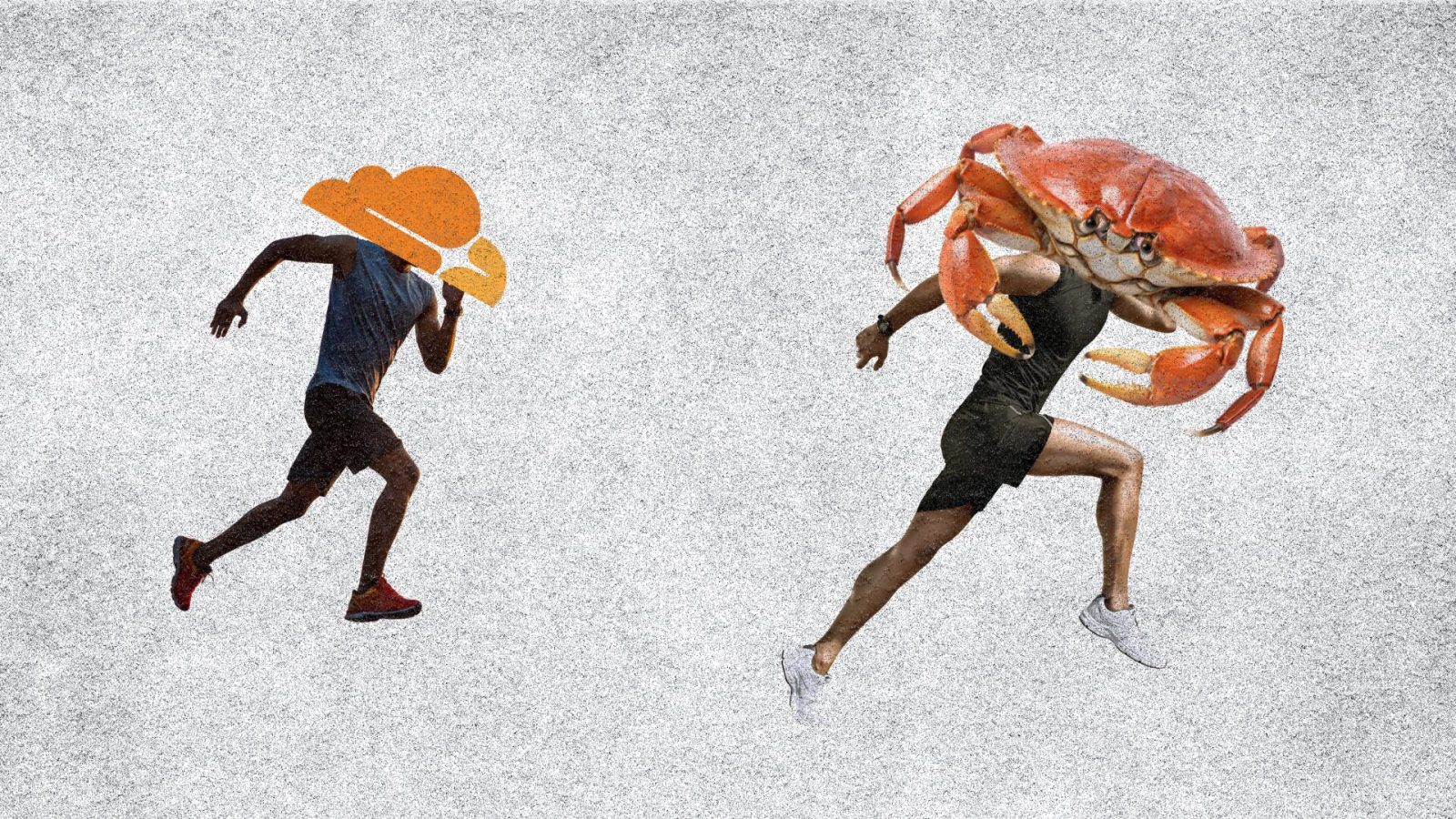
The Cat-and-Mouse Game of Frictionless Data
The marketing copy for most web security firms suggests a fortress. They promise that with enough behavioral analysis and TLS fingerprinting, the bad actors stay out while the humans get through. But a new open-source library named Scrapling, often paired with the OpenClaw agent framework, is currently making those promises look expensive and fragile.
For years, the barrier to entry for high-scale web scraping was the physical cost of bypassing anti-bot measures like Cloudflare or Akamai. You needed expensive proxy rotations and heavy headless browsers that consumed massive amounts of RAM. Scrapling changes the math by operating on a lower level of the network stack, mimicking human-like behavior without the overhead that usually tips off security sensors.
The developers behind these tools are not just building scrapers; they are building mimics. By focusing on the nuances of how modern browsers negotiate connections, they have found a way to slip through the front door unnoticed. This is not a brute-force attack, but a subtle engineering shift that treats enterprise security as a series of predictable checkboxes to be ticked.
The Illusion of Perimeter Security
When we look at the rise of automated agents, we see a fundamental tension between the open web and the commercial need to gatekeep data. OpenClaw serves as the brain, using LLMs to navigate sites, while Scrapling acts as the nervous system, executing the commands. The result is a system that can adapt to UI changes in real-time, rendering traditional CSS-selector-based defenses obsolete.
The goal of Scrapling is to provide a fast, undetectable, and easy-to-use library for web scraping that can bypass the most sophisticated bot detection systems currently on the market.
This claim hits at the heart of the current SaaS model. If a free, open-source script can bypass a security layer that costs a mid-sized company five figures a month, the value proposition of the defender collapses. We are seeing a shift where the cost of defense is increasing exponentially while the cost of offense is plummeting toward zero.
Security researchers have noted that Scrapling’s effectiveness comes from its ability to simulate legitimate browser headers and behavior patterns that are indistinguishable from a standard Chrome instance. It doesn't look like a bot because, at the protocol level, it refuses to follow the patterns that bot-detection algorithms are trained to flag. This forces security providers into a dangerous position: tighten the net and block legitimate users, or loosen it and let the scrapers in.
The Economic Incentive of Intelligence
The sudden popularity of these tools is not an academic exercise. Founders and developers are hungry for clean data to feed into proprietary models. In the current market, data is the only moat left, and companies like Reddit and X (formerly Twitter) are charging exorbitant fees for API access. Scrapling is the market's response to these high prices—a shadow API for the rest of the internet.
Investors have poured billions into AI companies, most of which require continuous streams of fresh data to remain relevant. This creates a massive financial incentive to ignore the terms of service of major platforms. When the choice is between paying a competitor for data or running a stealthy script for the price of a few server credits, the ethical debate usually takes a backseat to the balance sheet.
Cloudflare and its peers are now in a race against a decentralized community of contributors. Unlike a corporate rival, an open-source project like Scrapling doesn't have a head to cut off. It evolves through GitHub commits and community feedback, often patching its detection vulnerabilities faster than the security giants can deploy new signatures.
The survival of the current web ecosystem depends on a single variable: the cost of verification. If it becomes more expensive to prove a user is human than the data they consume is worth, the public web will begin to shutter. We are approaching a point where the only way to stop a bot like OpenClaw is to make the website so difficult to use that even humans won't bother visiting.

AI Video Creator — Veo 3, Sora, Kling, Runway