The Shift from Health Insurance to Pension Fund Arbitrage
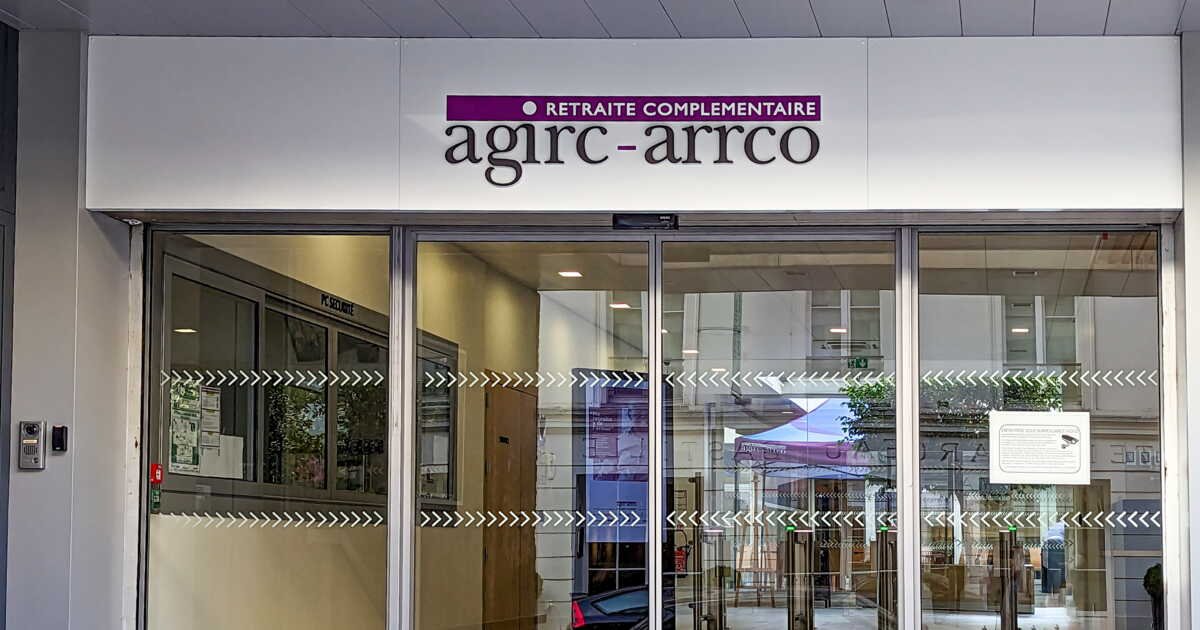
In the last 90 days, cybercriminal groups have pivoted their focus from the French health insurance system (Ameli) to the Agirc-Arrco pension fund. This transition follows a predictable pattern in the digital fraud market where saturated targets lead to lower returns, forcing attackers to find higher-value pools of data. Pension records are particularly lucrative because they contain a comprehensive map of a citizen's financial history, identity numbers, and bank details.
Data from recent security alerts suggests that these campaigns are no longer rudimentary mass-mailings. Instead, they are highly targeted operations that exploit the specific administrative calendar of the French retirement system. By timing attacks to coincide with annual tax adjustments or benefit recalculations, fraudsters achieve higher conversion rates than standard retail phishing.
Anatomy of the Three-Tiered Attack Strategy
Security analysts have identified a consistent sequence in the current wave of Agirc-Arrco fraud. These attacks bypass traditional spam filters by using a mix of paid social media placement and direct messaging services. The strategy generally follows three distinct phases:
- The Sponsored Hook: Attackers purchase high-visibility advertisements on social media platforms, masquerading as official government updates regarding pension increases or administrative reforms.
- The SMS Urgency: A follow-up text message warns the victim of a supposed suspension of benefits or a missing document, creating a sense of immediate risk.
- The Credential Harvest: Victims are directed to a pixel-perfect clone of the Agirc-Arrco portal, where they unwittingly hand over their social security numbers and banking credentials.
The technical sophistication of these cloned portals has increased significantly. Agirc-Arrco officials confirmed that these sites often use valid SSL certificates and mobile-responsive designs that are indistinguishable from the official interface on a smartphone screen. This hardware-specific targeting is a deliberate move to exploit the reduced visibility of URLs on mobile browsers.
The Institutional Response and Security Hardening
Agirc-Arrco has issued an emergency directive stating that it never requests banking information or identity verification via SMS or social media. The institution is currently working with internet service providers to blacklist fraudulent domains, but the speed of domain generation remains a challenge. For developers and digital marketers, this situation highlights the critical need for Domain-based Message Authentication, Reporting, and Conformance (DMARC) protocols to prevent brand spoofing.
“Under no circumstances should users respond to these requests or click on the links provided. Our services never use these channels to collect sensitive information.”
The financial impact of these breaches extends beyond the individual. When a pensioner's account is compromised, the institutional cost of recovery, legal verification, and account restoration can exceed €2,500 per incident. This creates a massive administrative burden on a system that already manages the retirement data of millions of employees across the private sector.
As we move into the next fiscal quarter, expect these attacks to evolve into voice-based phishing (vishing), where AI-generated voices mimic administrative staff to verify the data stolen during the initial phishing phase. By the end of 2024, the success rate of these multi-channel attacks will likely force French social organizations to mandate hardware-based security keys or biometric verification for all account modifications.