




The Paper Tiger's Teeth: Why France's Anti-Piracy Machine Just Lost Its Edge
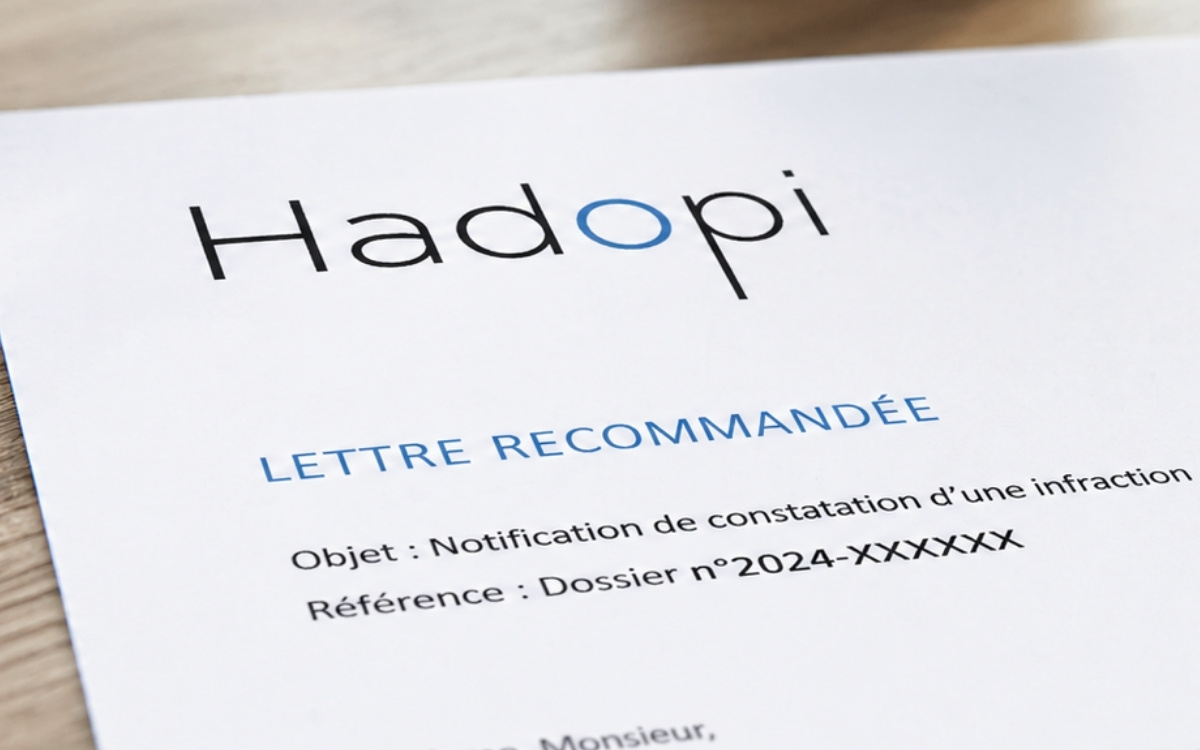
The Procedure Without a Punishment
The institutional narrative suggests that France remains a global leader in intellectual property protection through its Arcom agency. Behind the scenes, however, the mechanism designed to punish repeat offenders has effectively stalled. A recent ruling by the Conseil d’État has dismantled the legal bridge that allowed the agency to move from sending emails to seeking criminal penalties.
For years, the three-strike system functioned on a specific logic: automated detection leads to a warning, and three warnings lead to a judge. This streamlined flow depended on a 2010 decree that laid out how personal data moves from internet service providers to the regulators. That decree is now largely void, leaving the agency in a state of administrative paralysis where it can identify behavior but cannot legally act upon it.
The official stance remains optimistic about enforcement continuity. Despite this, the legal reality is that the agency has lost its primary weapon of deterrence. Without the ability to forward cases to the public prosecutor, the entire apparatus functions as little more than a taxpayer-funded email server designed to scold citizens who are increasingly indifferent to digital finger-wagging.
The Privacy Conflict Hidden in the Code
The core of the issue lies in how data is accessed and stored. European privacy standards have long been at odds with the broad, automated collection required to make a graduation-style system work. When the high court struck down these provisions, it wasn't just a technical glitch; it was a fundamental rejection of how the state monitors private connections for civil infractions.
The agency's ability to transmit files to the judiciary is currently suspended until new legislation can reconcile mass surveillance with individual data protections.
Critics have often described the system as a massive spam machine. It processes millions of IP addresses, yet results in a statistically insignificant number of actual fines or trials. By removing the threat of prosecution, the court has exposed the high cost and low efficiency of a system that was built for an era of peer-to-peer file sharing that has largely been replaced by unauthorized streaming and IPTV.
Engineers and legal experts point out that the current infrastructure is still running, but it is running into a wall. The agency can still collect data and send first or second warnings, but the third strike—the one that actually carries weight—is currently a hollow threat. This creates a strange period of legal limbo where the government is essentially bluffing, hoping that the public doesn't realize the trapdoor is jammed.
The Cost of Maintaining an Empty Threat
While the legal pathway is blocked, the financial commitment to this oversight remains. Maintaining the servers, the contracts with monitoring firms, and the administrative staff requires a budget that is difficult to justify when the final outcome of the process is legally barred. It raises the question of whether the system is being kept on life support for political optics rather than actual efficacy.
If the government cannot pass a new decree that satisfies both the privacy advocates and the copyright holders, the infrastructure becomes a legacy cost with no return on investment. The tech community has already moved toward encrypted traffic and VPNs, making the IP-based detection methods increasingly obsolete anyway. The court's decision might simply be the final blow to a strategy that was already failing to keep pace with the market.
The future of this enforcement model now depends on a single factor: whether the French legislature can draft a data-retention law that survives the scrutiny of the European Court of Justice, a feat that has proven notoriously difficult for several EU member states over the last decade.

AI Video Creator — Veo 3, Sora, Kling, Runway