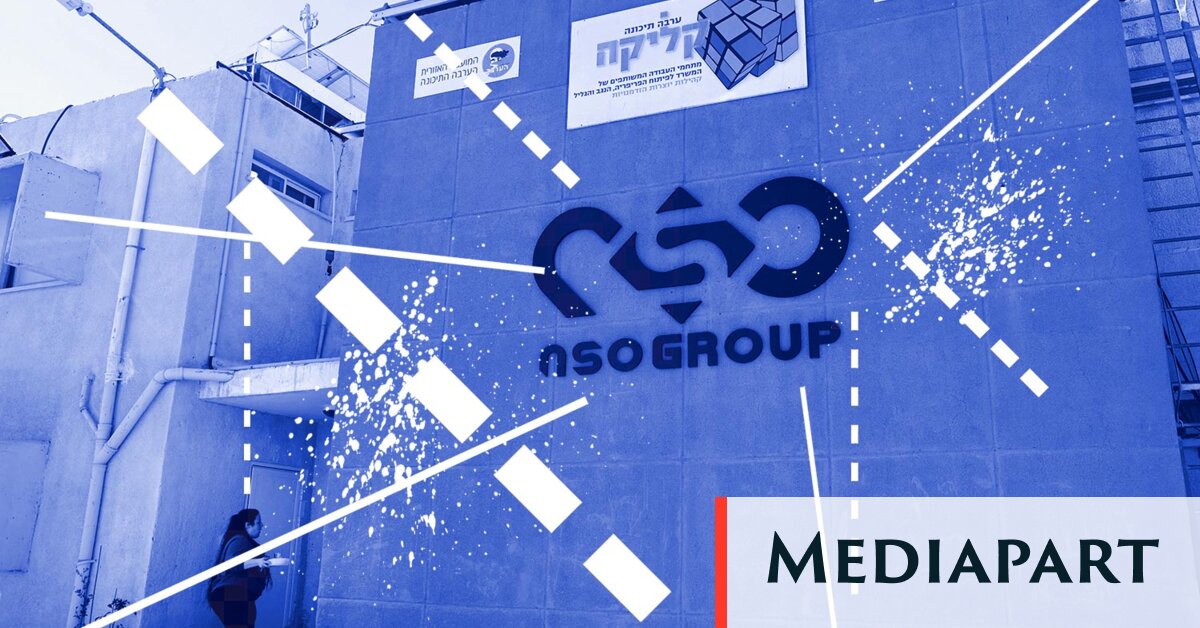
The Privatization of State Secrets
The recent interrogation of NSO Group founders by French authorities marks a decisive shift in the liability model for high-end surveillance tech. Historically, cyber-intelligence firms functioned under a shield of state immunity, operating as de facto extensions of national defense. That shield is dissolving as European courts test the theory that software creators remain accountable for the deployment of their tools by third-party clients.
This is not just a legal headache for two executives. It is a fundamental challenge to the business model of export-restricted technology. NSO Group’s valuation was built on the premise that their only responsibility was to the Israeli Ministry of Defense, which vetted their sales. By placing founders under the status of 'assisted witnesses,' the French judiciary is signaling that the 'arms dealer' defense no longer provides total coverage in a borderless digital economy.
The Erosion of the Intelligence Moat
The strategic moat for companies like NSO Group has always been asymmetry. They sell the ability to bypass the encryption of trillion-dollar platforms like Apple and Google, providing a service that even mid-tier nation-states cannot build in-house. However, as judicial pressure mounts, the cost of doing business is skyrocketing. We are seeing the emergence of a reputational tax that is making it increasingly difficult for these firms to attract top-tier engineering talent and secure institutional funding.
The risk profile for investors in this space has flipped. Three years ago, the primary risk was technical—the fear that a zero-day exploit would be patched. Today, the primary risk is jurisdictional. If a company's leadership can be detained or questioned while traveling through Europe for the actions of a client in the Middle East or North Africa, the executive suite becomes a revolving door of legal counsel.
- Extraterritoriality as a Weapon: French investigators are asserting that if a victim is on French soil, they have jurisdiction over the software's creator, regardless of where the servers or the developers are located.
- The End of Neutrality: Tech providers can no longer claim they are neutral pipes. The granularity of Pegasus suggests a level of maintenance and support that looks more like a service contract than a one-time product sale.
- The Compliance Moat: Future winners in the gov-tech space will be those who bake traceability and kill-switches into their products to satisfy international regulators, even at the cost of client privacy.
We sell the technology to licensed governments... we have no visibility into what they do with it.
That quote, a long-standing defense from NSO leadership, is exactly what the French justice system is currently dismantling. The court’s interest suggests they believe the company maintained a level of operational oversight that makes them complicit in the selection of targets. If the prosecution can prove that NSO staff provided technical support for specific high-profile infections, the legal firewall between the manufacturer and the operator collapses.
The Emerging Grey Market
As NSO Group faces restructuring and legal siege, the supply-demand curve for zero-click exploits remains unchanged. We are witnessing a fragmentation of the market. While NSO is the visible target, smaller, more agile outfits are spinning up in jurisdictions with zero extradition treaties or oversight. This creates a 'whack-a-mole' dynamic where the most sophisticated actors go deeper underground, away from the reach of European magistrates.
The real losers here are the mid-market players who lack the political protection of a superpower. Large defense contractors in the US or China operate with a level of sovereign indemnity that NSO Group clearly lacks. By targeting the founders personally, the French court is attacking the human capital that drives this industry. If you are a world-class security researcher, the prospect of a lifetime travel ban to the EU is a massive deterrent to joining a high-risk intelligence firm.
I am betting against the long-term viability of the 'pure-play' spy-ware provider. The future belongs to integrated defense-industrial giants who can bury these capabilities within broader military contracts, providing them with the political cover necessary to survive judicial scrutiny. The era of the boutique cyber-intelligence firm is ending, replaced by a much grimmer, more consolidated reality of state-sponsored tech warfare.