




The Night of the Leaked Baccalauréat: How a Rogue Website Broke France’s Sacred Waiting Room
An Unofficial Midnight on the Seine
Shortly after midnight on a Tuesday in early July, a seventeen-year-old in Marseille named Lucas sat in the dark of his bedroom, his face illuminated by the cold blue light of his phone. Like hundreds of thousands of French high school students, he was braced for a sleepless night of anticipation. The official results of the Baccalauréat, the centuries-old national examination that dictates the path of every French student, were not scheduled for release until mid-morning.
Instead, a link arrived in his group chat. It led to a sparse, gray webpage called Pechotonbac.fr. Lucas typed his surname and department into the single prompt bar. Within seconds, his final score appeared on the screen, raw and unadorned, nine hours before the Ministry of Education was set to open its official portals. He sat in silence, feeling a sudden, strange emptiness where his anxiety had been.
The creator of the site, a twenty-three-year-old self-taught developer who goes by the online handle "Gaspard," had discovered a vulnerability in the ministry's public database. He had not hacked the state; he had simply found the open back door where the grades were being uploaded in preparation for the morning. By writing a simple script to fetch this data, he bypassed the state's carefully timed choreography, offering a quiet, instant revelation to anyone who knew where to look.
The Architecture of the Waiting Room
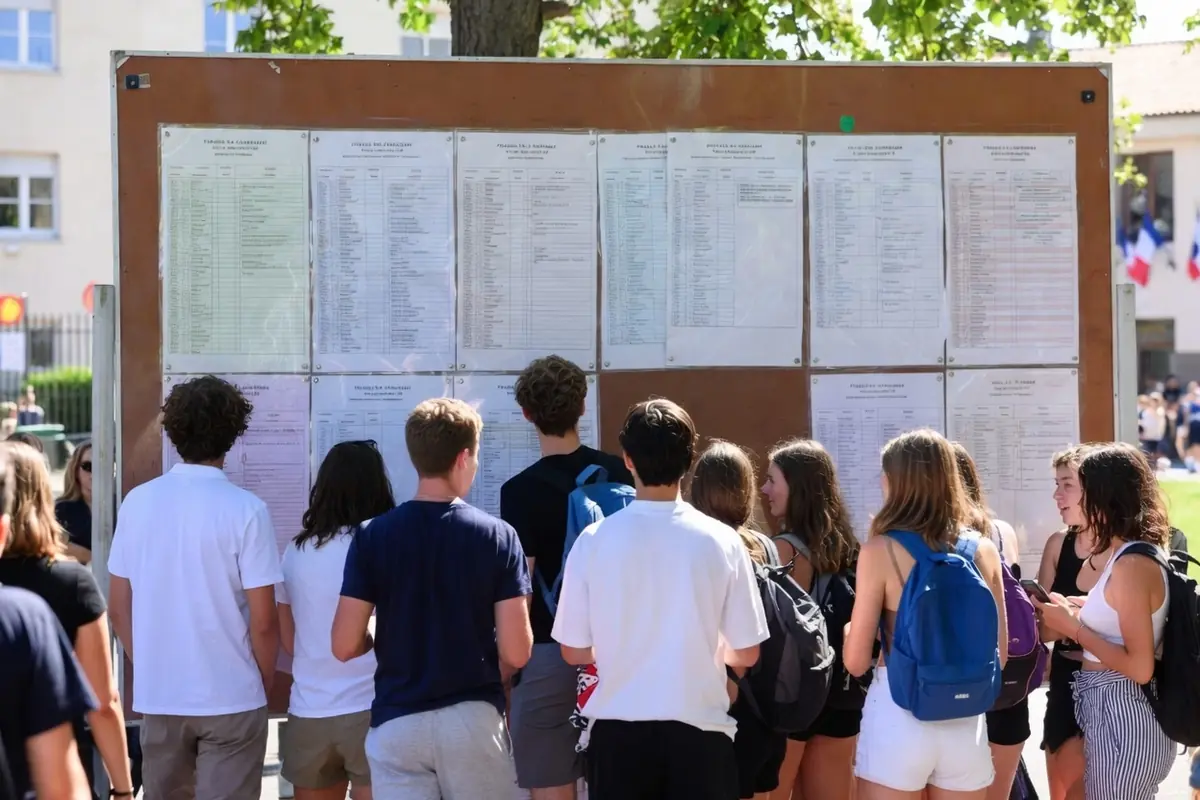
In France, the waiting is part of the test itself. Traditionally, students gather in the courtyards of their high schools, scanning paper lists pinned to wooden boards, crying in public, hugging teachers, and sharing a collective transition into adulthood. The digital age moved this ritual to official websites, but the state maintained the synchronized timing of the release, preserving the national moment of shared tension.
By decentralizing this moment, the rogue website stripped away the theater of the exam. It replaced a grand national ritual with a solitary transaction in the dark. For a generation that has grown up with instant verification, the idea of waiting for a government server to open at an arbitrary hour seemed like an antiquated absurdity.
"I didn't want to break the system," Gaspard later wrote in an anonymous post explaining his work. "I wanted to show how easily the state's digital walls crumble when faced with basic curiosity. The data was already there, floating in the open. I just gave it a mirror."
By the time the ministry realized what had happened and pulled the plug on the connection, over eighty thousand students had already accessed their grades. The official servers, when they finally opened at ten in the morning, felt almost redundant, like a taped delay of a match whose score was already known.
The Fragility of State Solitude
This episode exposes a deeper shift in how we interact with authority in the digital age. We no longer accept that information must be rationed or timed by a central institution. When a single developer can bypass the state's security and destroy a national tradition with a few lines of code, it reveals the fragility of our modern digital infrastructure.
The Ministry of Education quickly issued a statement promising an investigation and downplaying the leak as a minor technical anomaly. Yet, for the students who bypassed the official channels, the lesson was clear. The state is no longer the sole gatekeeper of their futures; they can find the answers themselves, hidden in the poorly guarded corners of the internet.
As dawn broke over Paris, groups of teenagers still gathered outside their schools, but the atmosphere was different. Many already knew their fate, carrying the quiet certainty of their results on their screens. The old world of shared suspense had been replaced by a quiet, individualized knowing, leaving us to wonder what we lose when we trade our collective rituals for instant, solitary answers.
Social Media Planner — LinkedIn, X, Instagram, TikTok, YouTube