The Asymmetric Economics of Cyber Proxy States
Geopolitical destabilization has moved from the hardware layer to the application layer. The recent fabrication of the Narva People's Republic in Estonia is not a military exercise; it is a stress test of NATO's cognitive defense infrastructure. By creating a fictional separatist state through coordinated digital narratives, Moscow is proving that the cost to create a crisis is now orders of magnitude lower than the cost to defend against one.
For the Kremlin, the unit economics of this strategy are unbeatable. Traditional kinetic warfare requires massive capital expenditure, logistics, and human risk. In contrast, a digital proxy state requires only a few bot farms, localized AI-generated content, and a platform strategy that exploits the algorithmic biases of Western social media. This is high-margin disruption applied to international borders.
Estonia, arguably the most digitally native nation in the world, serves as the perfect test lab. If the Russian state can successfully plant the seeds of secession in a country where government services are 99% online, they can do it anywhere. The goal is not necessarily to seize territory, but to force the target state to redirect resources toward internal monitoring and social cohesion, effectively stalling their economic and diplomatic momentum.
The Infrastructure of Manufactured Dissent
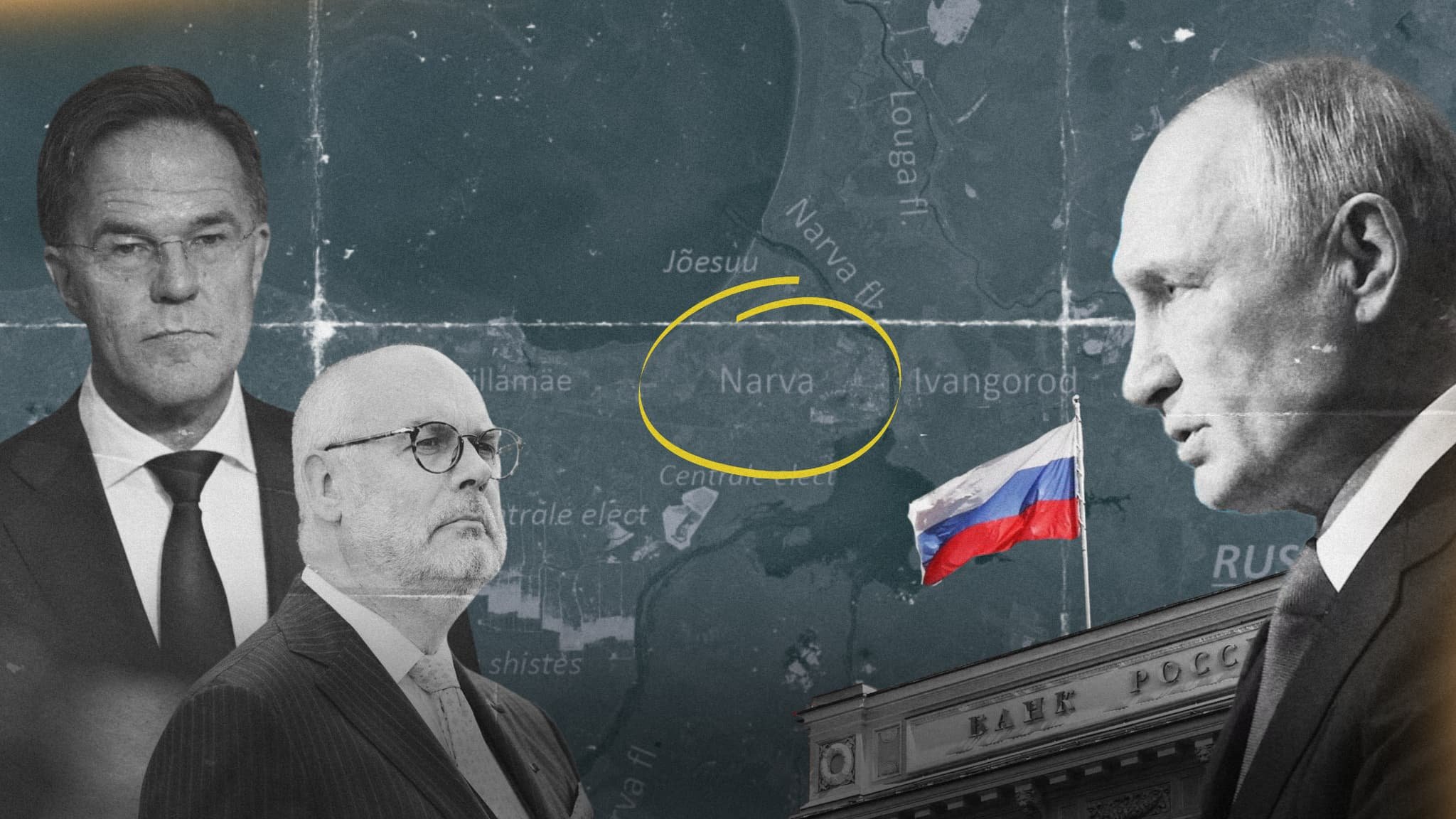
The campaign centers on Narva, a predominantly Russian-speaking border city that represents a strategic vulnerability for the Baltic region. The propaganda machine didn't just spread rumors; it built a brand. They designed flags, drafted fake constitutions, and created social media profiles for fictional leaders, simulating the organic growth of a grassroots movement.
- Narrative Arbitrage: Taking real local grievances and scaling them through synthetic amplification to make a minority sentiment appear like a popular mandate.
- Institutional Friction: Forcing NATO and EU officials to spend diplomatic capital responding to non-existent threats, which creates a sense of instability that scares off foreign direct investment.
- Algorithmic Exploitation: Utilizing the recommendation engines of X, Telegram, and Facebook to ensure that the fictional republic reaches the most polarized segments of the local population.
This is a classic disruption play. In business, a startup uses a cheaper, more agile model to steal market share from an incumbent. In the Baltics, Russia is using cheap digital assets to steal the "sovereignty share" of the Estonian state. They are betting that the bureaucracy of a democratic alliance cannot move fast enough to counter a narrative that evolves in real-time.
Defending the Digital Border
Estonia’s response has been to treat this as a cybersecurity breach rather than just a PR issue. They understand that in a modern conflict, the information supply chain is the first thing that gets attacked. By debunking the Narva myth quickly, they prevented the narrative from achieving the network effects required to become a physical threat.
"Cybersecurity is not just about protecting servers; it is about protecting the integrity of our social fabric against organized deception."
However, the defense is inherently more expensive than the attack. Estonia must maintain high-alert monitoring and invest in digital literacy programs. Russia only needs to get lucky with one viral lie. This asymmetry of effort is the defining characteristic of modern hybrid warfare. As long as the cost of launching these campaigns remains near zero, the frequency of these "pop-up republics" will only increase.
The Strategic Bet on Cognitive Sovereignty
The long-term play here isn't about Narva specifically; it’s about the devaluation of truth as a foundation for national security. If a state cannot convince its citizens of what is real, it loses its monopoly on authority. We are seeing the emergence of "State-as-a-Service" competition, where rival powers offer alternative realities to dissatisfied populations.
I am betting against any defense strategy that relies solely on debunking or fact-checking. By the time a lie is corrected, the emotional engagement has already moved the needle. Instead, the smart money is on proactive resilience—building deep institutional trust and local economic integration that makes the separatist narrative financially unattractive to the people living on the border.
The real winner in this conflict won't be the country with the best hackers, but the one that can maintain a coherent national identity in a fragmented digital world. For investors and founders in the defense-tech space, the opportunity lies in narrative intelligence: tools that can identify the fingerprint of coordinated state behavior before it reaches critical mass. The border is no longer a line on a map; it's the feed on your screen.