




The Mirror and the Cage: Why a Journalist’s Trial in Bamako Matters for the Digital Age
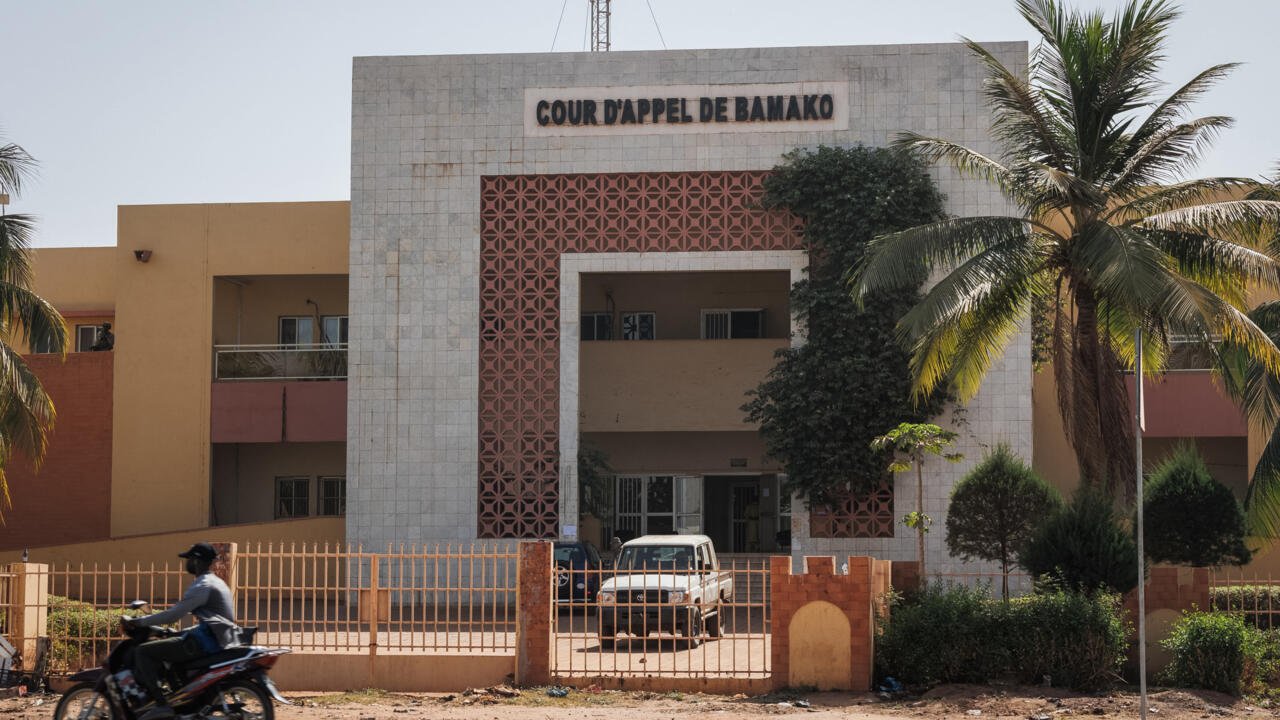
On a humid Monday morning in Bamako, Chahana Takiou stood before a judge, adjusting his collar in a room that smelled of old paper and collective anxiety. For forty-nine days, the director of the newspaper 22 Septembre had lived inside a prison cell, his world shrunk to stone walls and iron bars. Now, he was standing in a specialized cybercrime tribunal, accused of a modern sin: writing words that the state decided were too sharp to tolerate.
His crime was not a sophisticated hack or a digital bank heist. Instead, the veteran journalist found himself caught in a net woven from modern technology laws and age-old political sensitivities. The state called his work a threat; he called it a simple record of facts.
The Weight of a Whispered Truth
Takiou is a man who spent decades watching his country change through the ink on his fingers. As the head of one of Mali’s notable independent publications, he has chronicled the shifting tides of power, conflict, and daily life. But when journalism migrated from paper boys to web servers, the stakes of the profession changed overnight.
The specific charge leveled against him sounds like something from an old textbook: "harming the credit of the State through the judicial institution." In the digital era, however, this accusation carries a heavy, modern weight. What used to be a local dispute in a print edition now becomes a permanent, searchable record distributed across global networks.
Because his articles were shared online, his case was handed over to a specialized judicial unit designed to fight cybercrime. This shift in jurisdiction is happening quietly across many developing economies. Laws originally written to catch digital thieves and saboteurs are increasingly being used to police the keyboards of writers and editors.
The Digital Net Closes
For digital creators, startup founders, and media strategists, the courtroom in Bamako might seem distant. Yet, the legal machinery at work there is part of a global trend that directly affects the digital economy. When data security laws are repurposed to regulate public opinion, the entire digital ecosystem feels the chill.
The prosecutors argued that Takiou's critical comments about the local justice system were designed to weaken public trust. In their eyes, publishing these thoughts online amplified their destructive potential. To them, the internet is a mega-phone that turns regional grievances into national security threats.
"When the state treats a mirror like a weapon, every journalist becomes an accidental soldier."
This reality forces digital publishers to walk a tightrope. Every sentence must be weighed not just for its truth, but for how it might be interpreted by an algorithm or a state prosecutor. The danger is that self-censorship becomes the default survival strategy for digital platforms.
An Observation, Not a Weapon
When Takiou finally spoke, his defense was simple and lacked the dramatic flair of a political speech. He did not deny writing the words that led to his arrest on June 8. Instead, he challenged the very premise of the prosecution's argument.
"It is not a criticism," Takiou told the court, his voice flat and steady. "It is an observation." With those words, he drew a line between malice and reporting, arguing that a journalist's duty is to describe the world as it is, not as officials wish it to be.
He argued that pointing out the flaws in an institution is the first step toward fixing them. If the state's credit is damaged, he suggested, it is not because a journalist wrote about the cracks in the foundation, but because the cracks exist in the first place.
The judges listened, their faces unreadable under the dim courtroom lights. The trial represents more than just one man's freedom; it is a test of how much friction a digital society is willing to tolerate. As the court adjourned to deliberate, Takiou was led back toward the cells, leaving behind a quiet room and a question that continues to echo far beyond Mali's borders.
How do you build a digital future when the simple act of pointing out a flaw can land you in a cell? The answer to that question will shape the internet long after the ink on Takiou's verdict has dried.

Free PDF Editor — Edit, merge, compress & sign