




The Kremlin's Playbook of Plausible Deniability Is Wearing Thin
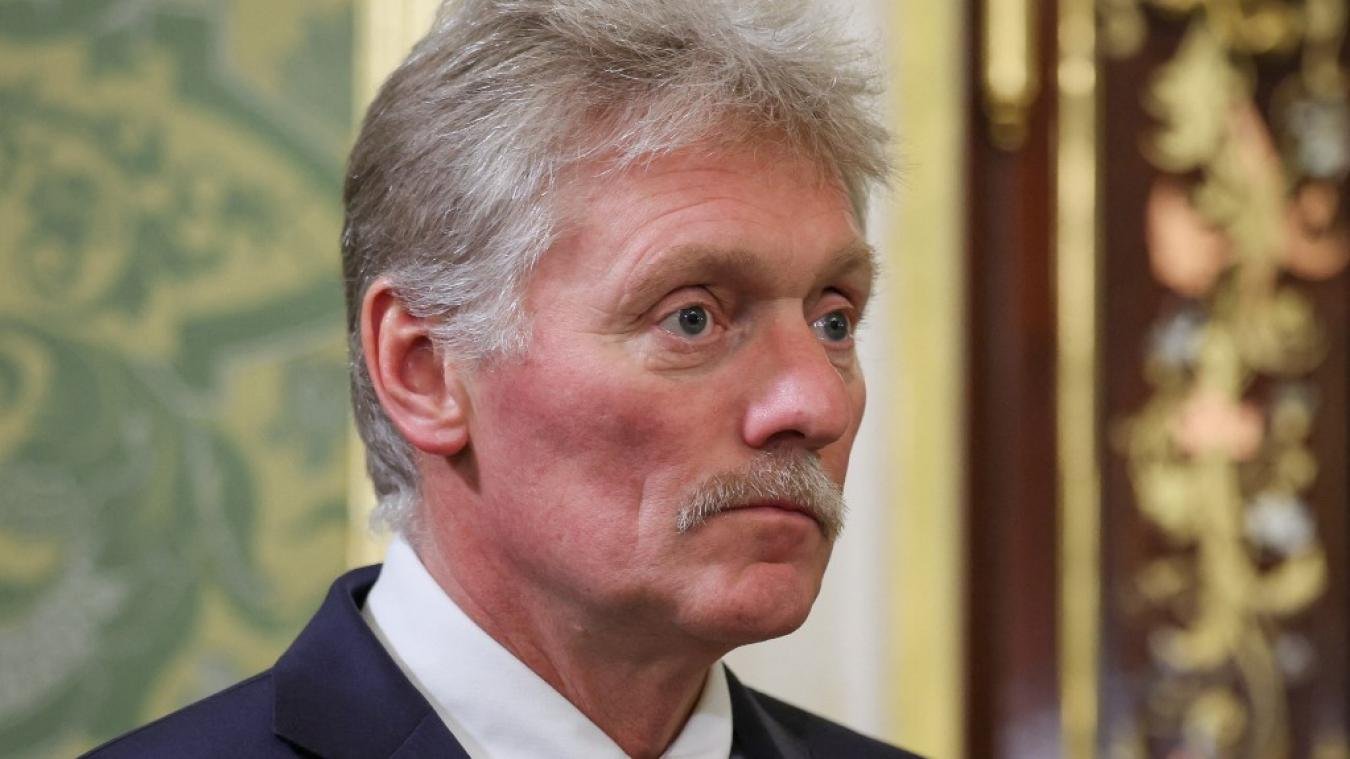
The Art of the Blank Stare
Every time a major state-sponsored cyberoffensive cripples Western infrastructure, the response from Moscow follows a script so predictable you could automate it with a basic bash script. First comes the flat denial, followed closely by demands for forensic proof that they know cannot be shared without compromising intelligence sources. This week's outrage from the Kremlin regarding British and European Union accusations is merely the latest iteration of this tiresome theater.
We are expected to believe that these highly sophisticated, politically motivated digital intrusions are the work of rogue actors, or perhaps entirely fabricated by Russophobic Western bureaucrats. It is a defense designed not to convince, but to exhausting the opposition into silence.
These accusations are gratuitous, never argued, and never supported by evidence.
This statement from the Kremlin spokesperson is a masterclass in gaslighting. By demanding absolute public proof of attribution, they exploit the fundamental asymmetric nature of digital espionage: to show how you caught a thief is to show them how to bypass your security next time.
The Attribution Myth and Geopolitical Realities
Securing networks in the modern age requires understanding that digital fingerprints are incredibly easy to fake, yet impossible to completely erase. Russian state-sponsored groups have spent decades perfecting the art of false-flag operations, often routing their attacks through compromised servers in Western democracies to muddy the waters.
Governments do not issue formal, joint diplomatic condemnations over minor anomalies or inconclusive packet logs. When the EU and the UK jointly point a finger at Moscow, they are doing so based on redundant intelligence, behavioral patterns of known threat actors like APT28, and geopolitical timing that defies coincidence.
To pretend that we need a smoking gun in the form of a signed confession is to misunderstand how modern cyber warfare operates. The evidence is circumstantial by design, but the sheer volume of it creates an undeniable picture of systemic hostility.
Why the Tech Community Must Ignore the Noise
For startup founders and enterprise CTOs, this diplomatic back-and-forth is more than just political noise. It dictates threat models and security budgets. Accepting the narrative that these attacks are "unproven" leads directly to complacency, which is precisely what state-sponsored actors rely on.
Our industry spends entirely too much time debating the political motivations of attackers instead of hardening the vulnerable surface area of our applications. The Kremlin's denials are a distraction; the reality is that the digital cold war is already happening in the background of every server log you monitor.
We must stop treating these incidents as isolated criminal acts and start treating them as permanent environmental hazards. The actors behind these breaches do not care about international law, and they certainly do not care about diplomatic decorum.
The Long Game of Digital Attrition
This cycle of outrage and denial will not stop because there is no penalty for the perpetrators. Cyberattacks are cheap, highly effective, and offer the offending state total deniability at zero political cost. Until Western alliances impose consequences that actually hurt—such as aggressive financial isolation or active counter-operations—we will continue to watch this diplomatic mime show play out.
Expecting Russia to suddenly admit to these operations and promise to behave is a fantasy. Security is not achieved through treaties signed with bad actors, but through defense-in-depth, zero-trust architectures, and the cold realization that nobody is coming to save your network but you.
Faceless Video Creator — Viral shorts without showing your face