Lucille, a retired pharmacist in Nantes, keeps a small sticker on her webcam, a physical patch of tape for a digital anxiety. She remembers the first time a suspicious window flickered across her screen, a demand for payment that felt like a stranger tapping on her living room window in the middle of the night. It was the moment she realized her computer was not a closed box, but a porous membrane connecting her home to a broader, often colder, world.
The Weight of the Unseen Threat
Our lives are now conducted in the silent slips of data moving between servers, and with that intimacy comes a certain fragility. We worry about the phantom presence of a keylogger or the sudden encryption of a decade's worth of family photographs. The modern internet feels less like a library and more like a crowded square where everyone is trying to sell you something, or perhaps, take something away without you noticing.
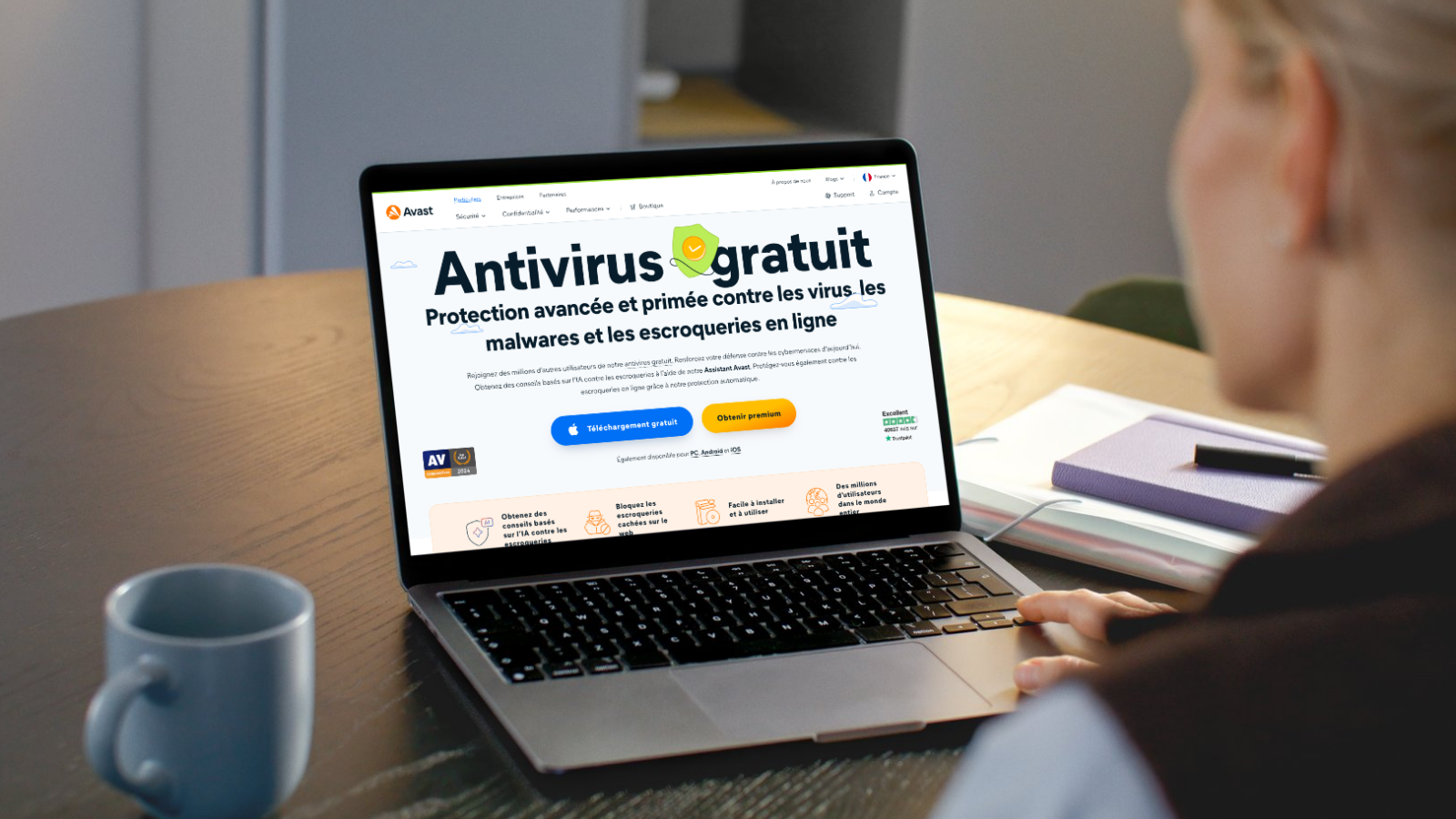
For many, the response to this vulnerability is not a complex suite of enterprise software but a quiet, free utility that sits in the system tray. Avast Free Antivirus has become a part of the domestic furniture for millions of people who need protection but cannot justify a monthly subscription for their peace of mind. It is a tool for the pragmatic, those who want the door locked without necessarily building a fortress.
Software like this operates on a principle of collective defense. By monitoring millions of endpoints, these systems learn what a new threat looks like before it even has a name. It’s a bit like a neighborhood watch, Lucille says, where everyone benefits from the person who stays up late looking out the window.
The Ethics of the Free Gatekeeper
There is a persistent tension in the world of free software, a question of what we give when we do not give money. When a service is provided at no cost, the data it gathers becomes the currency of the transaction. This creates a delicate dance between privacy and protection, where the software must be intrusive enough to catch a virus but respectful enough to leave the human alone.
"I don't need a digital bodyguard to follow me into every room; I just need someone to tell me if the bridge ahead is broken."
This sentiment, shared by a young developer in Berlin, highlights the shift in what we expect from our tools. We are moving away from the era of heavy, resource-draining security suites that take over the entire machine. Instead, we look for lightweight sentinels that intervene only when the code becomes malicious, staying silent during the hours we spend writing emails or watching films.
The mechanics of the modern free antivirus are centered on these moments of intervention. It scans the file downloaded from a dubious email or blocks a script on a website that looks just a little too much like a bank login. It is a filter for our own lapses in judgment, a safety net for the split second when we are too tired or too distracted to be cynical.
The Human Side of the Firewall
Security is often discussed in terms of encryption and heuristics, but for the person sitting at the keyboard, it is actually about confidence. It is the ability to open a laptop in a cafe and not feel a sense of dread. Technology should serve to expand our world, but without a sense of safety, it tends to make our world feel smaller and more paranoid.
We are learning to live with the reality that no system is ever truly impenetrable. The goal of using a basic, accessible tool is not to achieve perfection, but to reduce the friction of existing online. It allows the grandmother in Nantes to send an email to her grandson without fearing that her entire identity will be stripped away by a stray click.
In the end, the software we choose is a reflection of how we see our place in the digital world. We look for something that watches over us without watching us too closely. As the sun sets and the glow of millions of screens flickers in apartments across the globe, these silent programs continue their work, waiting for a threat that may never come, so that we don't have to.