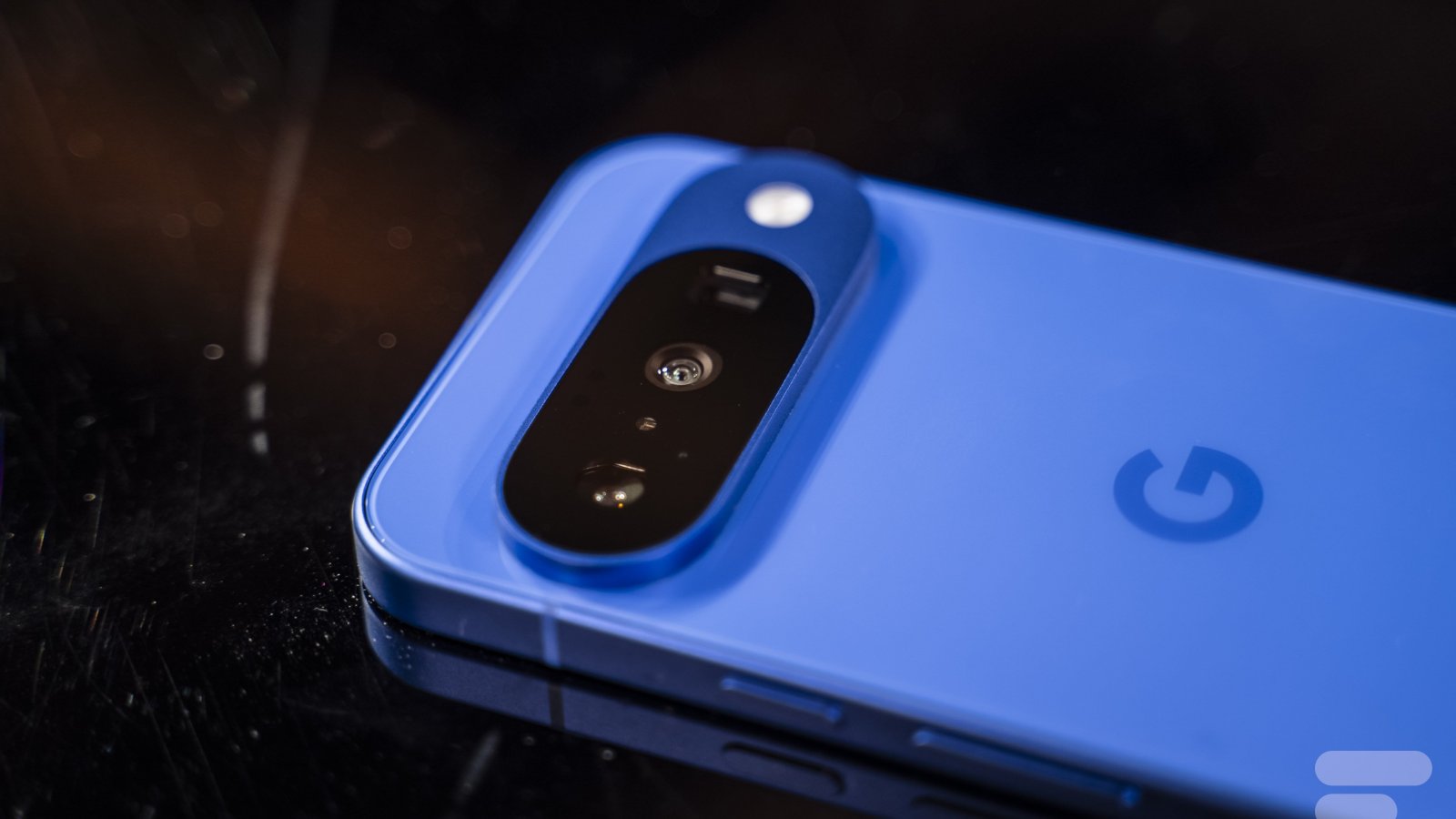
The Shift from Software Walls to Hardware Vaults
Most of us think of phone security as a series of digital locks—passwords, face scans, and encryption. However, for those who spend their lives trying to break into devices, the most valuable target isn't the software itself, but the physical memory where instructions are stored. When a hacker finds a way to trick a phone into running malicious code, they are usually exploiting a tiny gap in how the processor talks to the memory.
With the release of the Pixel 10, Google is moving the goalposts by introducing a hardware-based defense that operates below the level of the operating system. This is not a new app or a settings toggle you can turn on; it is a fundamental change in how the Tensor G5 chip handles data. By baking security into the silicon, Google is making it so that even if a hacker finds a bug in Android, the hardware itself will refuse to execute the unauthorized command.
How Memory Tagging Acts as a Digital DNA Test
To understand why this change is so effective, it helps to think of your phone's memory like a massive hotel with thousands of rooms. In a standard system, if a guest (a piece of code) has a key, they can often wander into rooms they shouldn't be in. Hackers use a technique called memory corruption to trick the system into letting them into restricted areas where they can steal data or take control of the device.
- Memory Tagging Extension (MTE): This technology assigns a unique 'color' or 'tag' to every block of memory and a matching tag to the code allowed to access it.
- Instant Rejection: If the code tries to access a memory block with a different tag, the hardware immediately shuts down the process.
- Zero-Latency Defense: Because this happens at the hardware level, it doesn't slow down the phone like a software antivirus would.
This approach effectively eliminates a whole category of attacks that have been the bread and butter of mobile exploits for a decade. For a developer or a founder, this means the baseline security of the device no longer relies solely on writing perfect, bug-free code—the hardware provides a safety net that catches human errors before they become security disasters.
Why This Makes Exploits Too Expensive to Build
The business of hacking often comes down to economics. Developing a 'zero-day' exploit—an attack that uses a previously unknown vulnerability—takes months of work and can be worth millions of dollars on the private market. When Google hardens the hardware, they aren't just making the phone 'unhackable'; they are making the cost of finding a workaround so high that it is no longer profitable for most attackers.
The End of the Buffer Overflow
One of the most common ways to break into a phone is the buffer overflow, where an attacker sends more data than a memory slot can hold, causing the extra data to spill over into sensitive areas. With the new hardware protections in the Pixel 10, that spillover is caught instantly. The hardware notices the 'tag' mismatch and kills the app before the attacker can gain a foothold.
Marketers and digital strategists should view this as a significant step in consumer trust. As we move more of our lives—banking, identity, and private communications—into our pockets, the hardware's ability to self-police becomes a primary selling point. It moves the conversation away from 'how do we fix bugs?' to 'how do we prevent bugs from being dangerous in the first place?'
Now you know: The most effective security isn't a feature you can see in the menu; it is a silent hardware gatekeeper that stops attacks by ensuring every piece of data has the right credentials before it ever touches the processor.