




The Internet Archive is Hitting a Wall: What Builders Need to Know About Data Scarcity
Why should you care about the Internet Archive?
If you build software, the Wayback Machine is likely your safety net for broken links, dead APIs, or legal compliance. It is currently the only entity preserving the digital paper trail of our industry at scale. However, the project is facing a crisis that could fundamentally change how we access historical data.
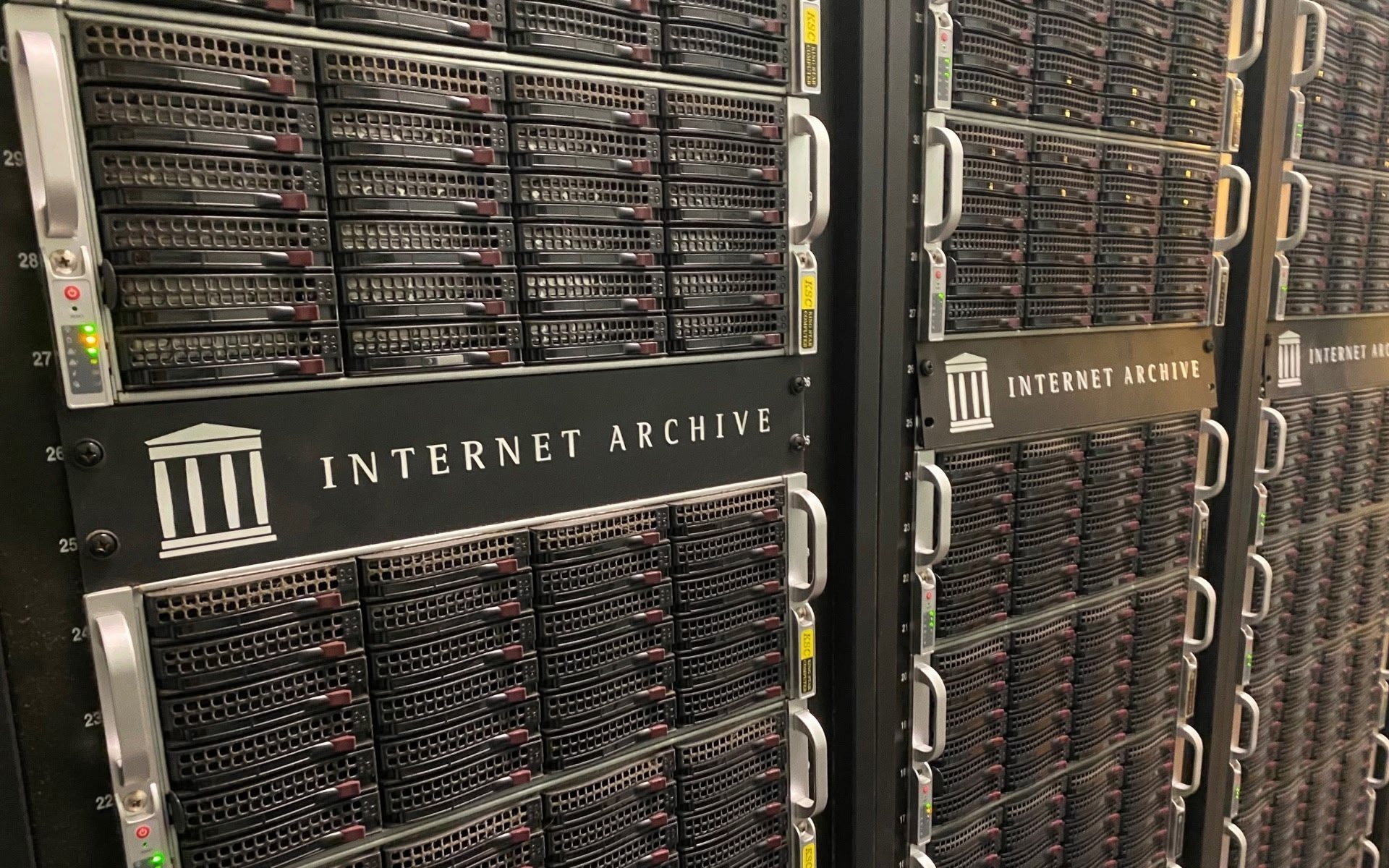
The archive currently manages over 210 petabytes of data. This is not just old websites; it includes open-source repositories, books, and software binaries. As AI companies ramp up their scraping activities, the cost of maintaining this infrastructure is skyrocketing while the physical availability of storage is tightening.
How is AI making the storage problem worse?
Large Language Models (LLMs) require massive datasets for training. Instead of building their own crawls, many AI firms are hitting the Internet Archive's servers. This creates a massive bandwidth and compute load that the non-profit was never designed to handle.
- Aggressive Scraping: Automated bots are hitting the site with thousands of requests per second, driving up operational costs.
- Resource Competition: The global demand for high-capacity drives is being driven by AI data centers, making it harder for non-profits to acquire hardware at reasonable prices.
- Copyright Friction: AI training has triggered a wave of lawsuits from publishers, putting the Archive in a defensive legal position that drains resources away from engineering.
Is the current infrastructure sustainable for developers?
We often treat the web as a permanent record, but it is actually quite fragile. The Internet Archive relies on physical hard drives that eventually fail. When you factor in the sheer volume of video and high-resolution media being uploaded today, the storage gap becomes a math problem that current donations might not solve.
For developers, this means the APIs we rely on for historical snapshots could become slower or move behind stricter rate limits. We are moving toward a period where data persistence is no longer a given. If your product relies on third-party historical data, you are essentially building on shifting sand.
What are the practical steps for your team?
You cannot assume the Wayback Machine will always be there to bail out your broken redirects or missing documentation. It is time to rethink how your organization handles its own digital legacy and data dependencies.
- Self-Archive Critical Assets: Use tools like
ArchiveBoxto keep local copies of essential external documentation and dependencies. - Monitor Outbound Links: Check your legacy content for link rot and proactively replace dead links with internal mirrors rather than relying on external archives.
- Support Open Standards: Advocate for decentralized storage protocols like
IPFSwhich distribute the burden of data preservation across multiple nodes.
Watch for new rate-limiting policies or changes to the Archive's Terms of Service. If they start blocking specific user agents or requiring authenticated API keys for basic crawls, it is a signal that the storage wall is getting closer. Start localizing your most important data dependencies now before the public commons shrinks further.

Convert PDF to Word — Word, Excel, PowerPoint, Image