




The Illusion of the Walled Garden: Why High-Value iPhone Targets Are Still Sitting Ducks
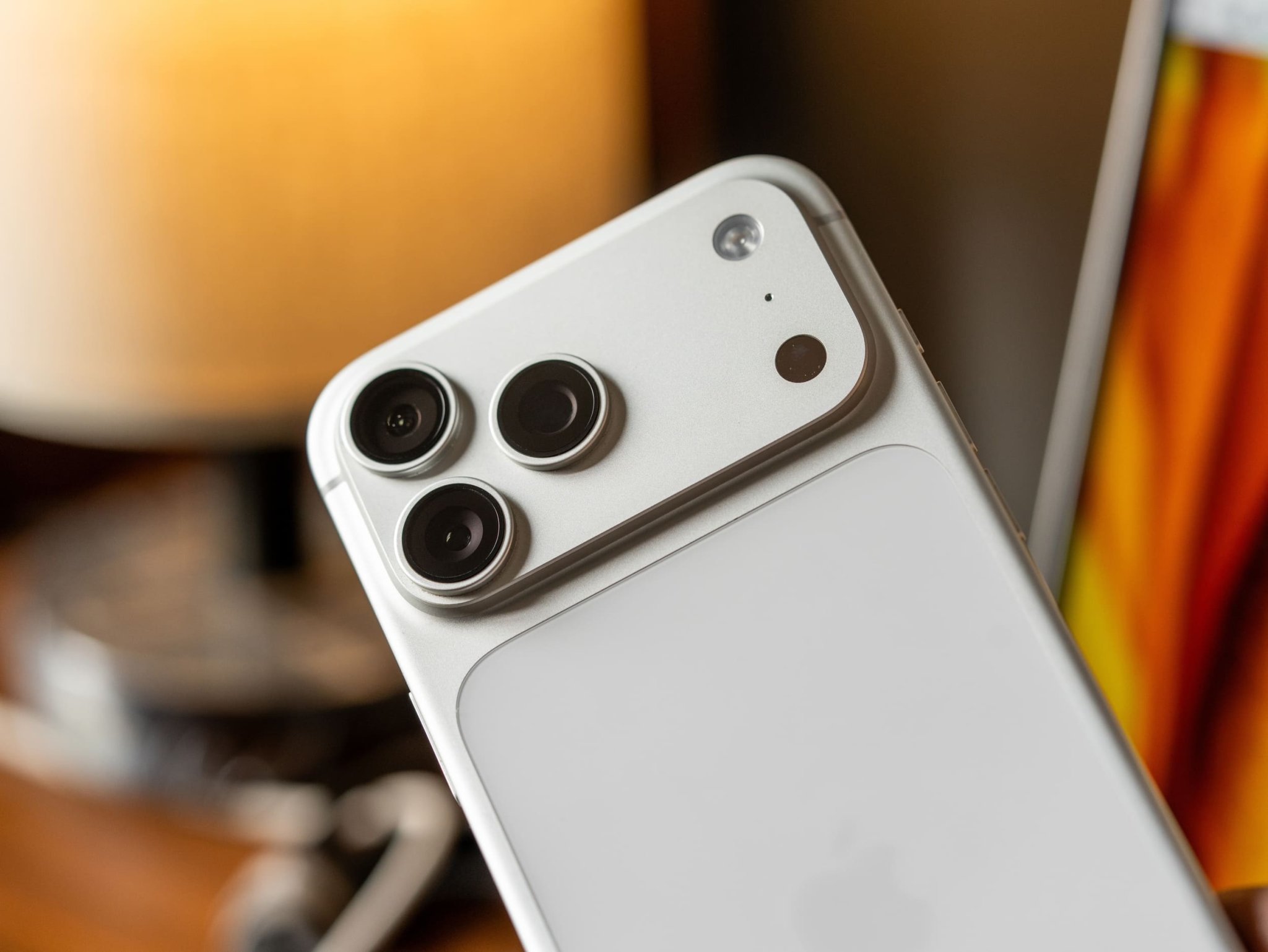
The Myth of the Unhackable Handset
Apple has spent billions of dollars and a decade of marketing convincing us that the iPhone is the definitive fortress of personal computing. They want you to believe that if you stay within the curated confines of the App Store and keep your iOS updated, you are functionally invisible to the world's bad actors. It is a comforting narrative, but as the latest advisory from the French Computer Emergency Response Team (CERT-FR) demonstrates, it is also a dangerous fantasy for anyone with a target on their back.
We are currently witnessing a sophisticated espionage campaign that bypasses the traditional threat vectors we have been taught to fear. This is not a matter of a user clicking a suspicious link in a phishing email or installing a sketchy third-party keyboard. The reality is that state-sponsored actors are finding ways to compromise devices using zero-click vulnerabilities that render the user's behavior entirely irrelevant.
When your security model relies on the assumption that the manufacturer is always one step ahead of the adversary, you aren't actually secure; you are merely waiting for the inevitable patch. For activists, journalists, and high-level executives, that delay between discovery and remediation is exactly where the damage happens.
The Sophistication of Silent Intrusions
The technical details of these latest attacks suggest a level of precision that should make every CISO sweat. These are not broad-net operations designed to steal credit card numbers from a million teenagers; these are surgical strikes aimed at high-value data. The attackers are looking for encrypted messages, real-time location data, and the ability to turn a device into a mobile wiretap.
The threat level remains critical because these campaigns exploit the very features that make the iPhone useful, turning seamless connectivity into a liability for the user.
The quote above highlights the fundamental paradox of modern mobile security. Every time Apple adds a new convenience feature to iMessage or iCloud, they expand the attack surface. The more 'magical' a feature feels, the more likely it is to be the entry point for an exploit.
We have reached a point where 'Lockdown Mode' is no longer a niche setting for paranoid dissidents. It has become a necessary compromise for anyone who handles sensitive intellectual property. The fact that users must actively disable core functionality of their premium device just to feel safe is a silent admission that the standard iOS configuration is insufficient against professional intelligence agencies.
The Patch Cycle Is No Longer Enough
The standard industry response to these reports is a prompt to 'update your software immediately.' While that is sound advice for the general public, it ignores the structural problem of zero-day markets. There is a thriving, multi-million dollar economy dedicated to finding and selling iPhone vulnerabilities to governments and private surveillance firms. As long as the payout for a working exploit exceeds the bounty Apple is willing to pay, the attackers will always have the upper hand.
Founders and developers often treat mobile security as a solved problem, offloading the responsibility to the hardware vendor. This mindset is a liability. We need to stop viewing the iPhone as a trusted black box and start treating it as a potentially compromised endpoint that requires its own layer of zero-trust architecture.
Relying on a single vendor's ecosystem for both your personal life and your corporate secrets is a strategic error. The French authorities aren't sounding the alarm because they enjoy the paperwork; they are doing it because the current wave of espionage is succeeding where previous attempts failed. The wall is high, but the ladders are getting longer, and pretending otherwise is a recipe for a catastrophic data breach.

AI Video Creator — Veo 3, Sora, Kling, Runway