




The Huawei Ban is an Unfunded Mandate Destroying European Telecom Economics
This is not a debate about national security. It is a war over who pays the bill for Western geopolitics. The European Commission’s push to completely purge Huawei from the continent’s telecommunications networks has hit a wall of hard math, and the operators are finally saying the quiet part out loud.
For years, Brussels has operated under the assumption that regulatory decrees can alter physical infrastructure without economic consequences. But a recent study commissioned by Orange has exposed the core friction of this policy. Telecom operators are not software companies; they cannot rewrite their stack with a clean git commit. They are capital-intensive utilities built on decades of physical asset depreciation.
Forcing a rip-and-replace of Chinese network equipment represents an uncompensated capital expenditure shock that European operators are simply not liquid enough to absorb.
The Unfunded Mandate on Telecom Balance Sheets
European telecommunications companies operate in one of the most brutal regulatory environments in the world. Unlike the United States, where three major carriers split a massive, high-ARPU market, Europe has fragmented its telecom sector into dozens of operators competing on razor-thin margins. The average revenue per user in Europe is less than half of what carriers generate in the US.
To build 5G networks, these carriers took on billions in debt to purchase spectrum licenses from cash-strapped European governments. Now, those same governments want them to write off billions of dollars in working hardware and buy more expensive alternatives. This is the definition of an unfunded mandate.
"Replacing existing infrastructure that is perfectly functional does not generate a single euro of new revenue. It is pure capital destruction."
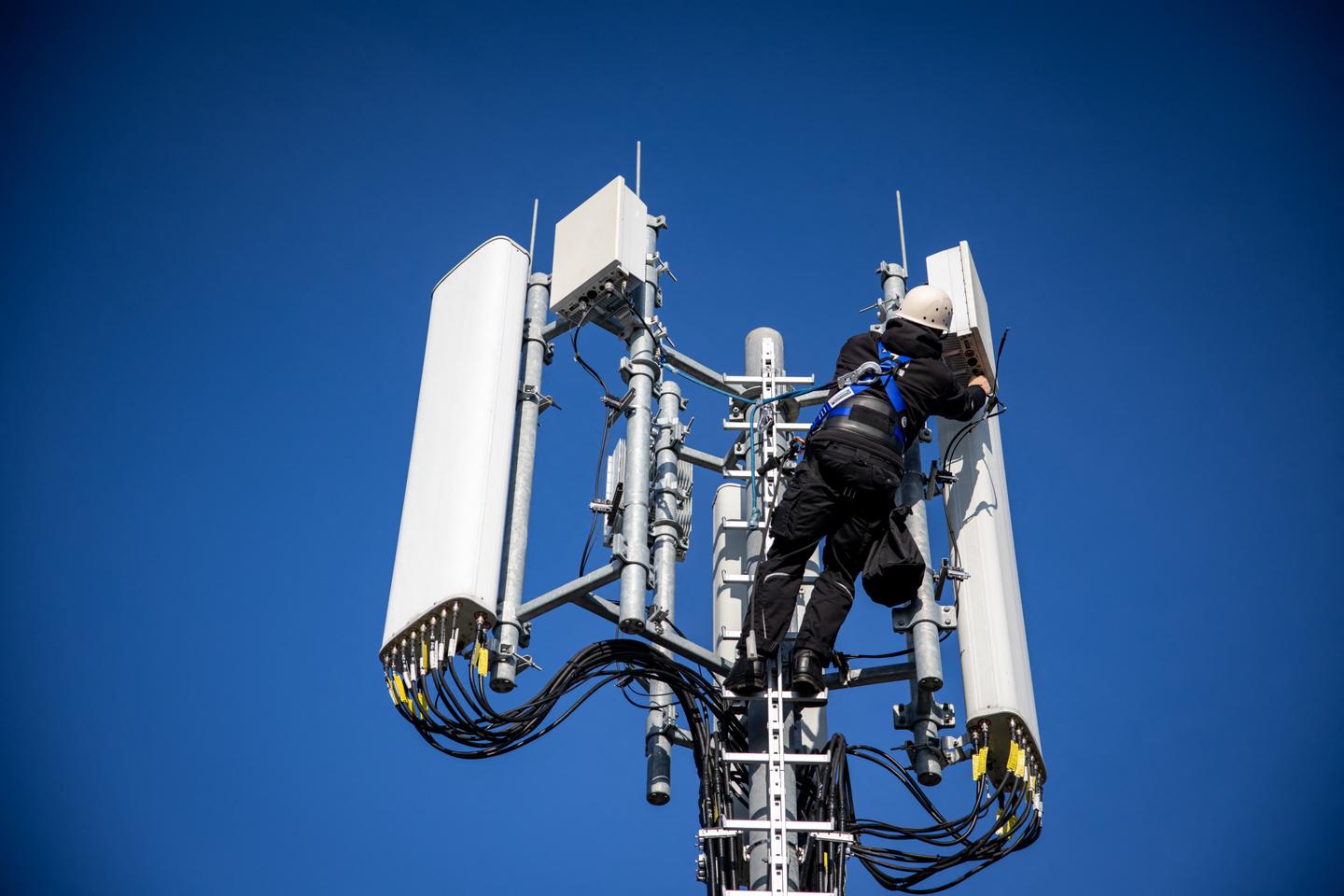
The math behind a rip-and-replace strategy is devastating to Return on Invested Capital (ROIC). When an operator is forced to remove Huawei antennas and base stations, it must also replace the core routing equipment that connects to them to maintain vendor compatibility. This is not a partial upgrade; it is a complete rebuild of the physical layer.
The Nordic Duopoly Tax
Removing Huawei from the European bidding sheet does not create a competitive market. It solidifies a tight duopoly between Nokia and Ericsson. Without Chinese competition, the pricing power shifts entirely to the Nordics.
This lack of competition introduces two major risks to carrier balance sheets:
- Inflationary Pricing: With only two viable suppliers for carrier-grade equipment, procurement costs will rise. Telcos have zero pricing power over their retail customers, meaning they must absorb these higher equipment costs internally.
- R&D Stagnation: Huawei’s research and development budget historically dwarfed Nokia and Ericsson combined. Forcing operators to buy from a protected duopoly guarantees that Europe will deploy slower, less efficient hardware than Asian markets.
The strategic irony is glaring. In the name of securing Europe's digital sovereignty, Brussels is forcing its domestic champions to rely on a duopoly that lacks the capital scale to out-innovate global competitors.
Three Strategic Consequences of the Ban
If the European Commission forces this ban through without providing massive state subsidies, the fallout will reshape the European tech economy for a decade.
- The Capital Strike: Operators will respond to mandatory equipment swaps by freezing new network deployments. Instead of building out advanced 5G standalone networks or preparing for 6G, capital will be diverted entirely to replacing existing 4G and early 5G gear.
- The Productivity Gap: Slowing down network upgrades will delay the deployment of industrial automation, smart logistics, and localized edge computing. European enterprise customers will find themselves running on legacy connectivity speeds while US and Asian competitors move to next-generation industrial standards.
- The OpenRAN Mirage: Operators will aggressively lobby for Open Radio Access Networks to break the Nordic duopoly. However, OpenRAN is not ready for prime-time, high-density carrier deployments, meaning telcos will be chasing a technical promise to solve a regulatory crisis.
European telecom stocks have been dead money for a decade. If regulators force this capital write-off, they will push these companies from stagnation into structural decline, turning critical infrastructure providers into utility-style zombie corporations.
The Investment Bet
I am betting against European telecom equities if Brussels enforces a hard, uncompensated ban within the next twenty-four months. Organizations like Deutsche Telekom and Orange will be forced to cut dividends to fund the capital expenditure demands of this transition.
Conversely, the smart money should look at US-based defense and enterprise networking vendors who are positioning themselves to capture the high-margin security hardware market at the edge. The real value is no longer in the physical pipes; it is in the software layers that secure them.

Convert PDF to Word — Word, Excel, PowerPoint, Image